Blog

Blog

By Greg Kling, 8:00 am on March 24, 2026

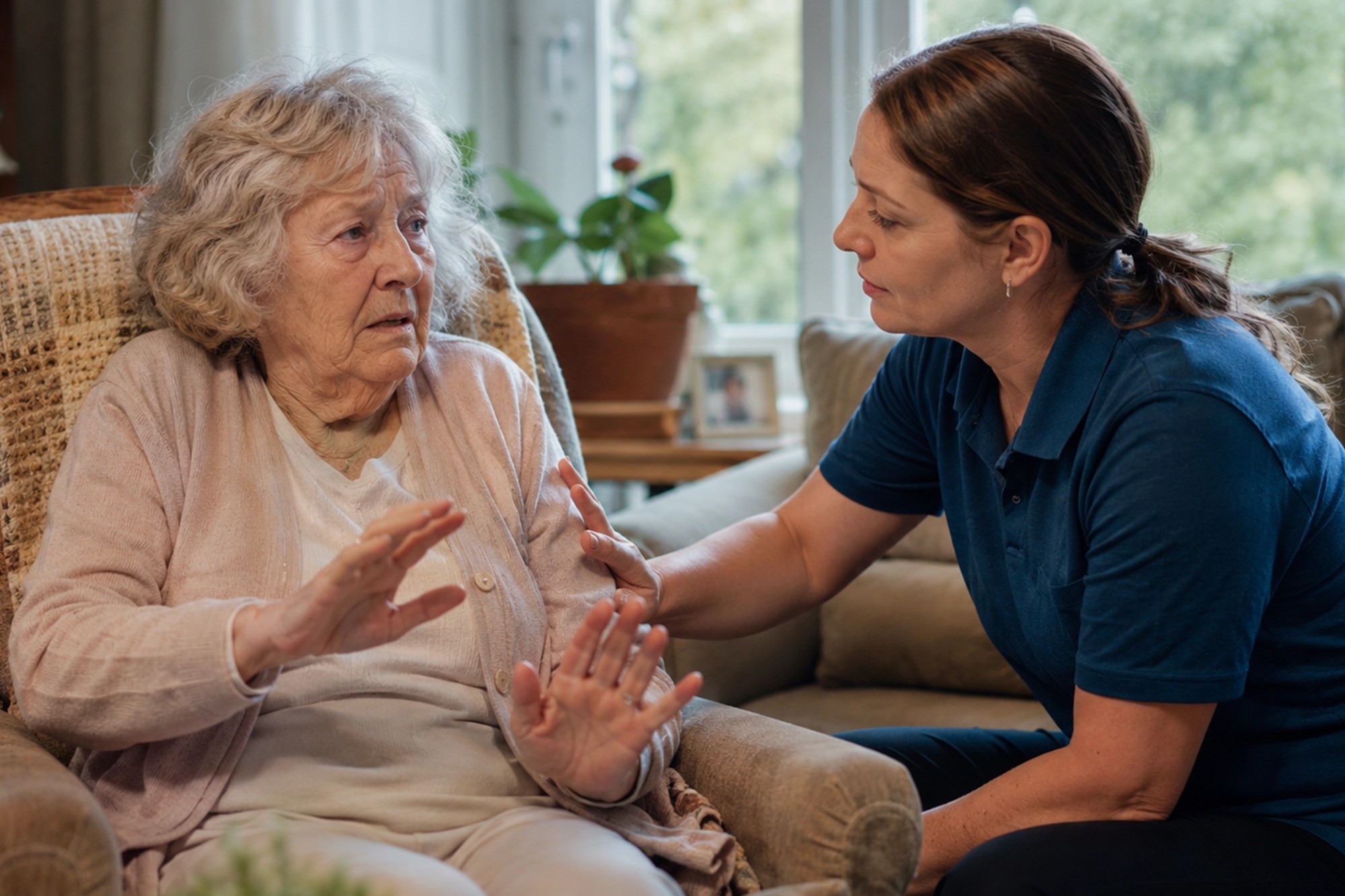
The most common challenges in dementia care include communication difficulties, behavioral changes, sleep disruptions, caregiver burnout, and safety concerns. Overcoming these issues typically involves using clear communication, establishing consistent routines, identifying behavior triggers, creating a safe home environment, and seeking outside support when necessary. Caring for a senior loved one with dementia presents a unique …

By Kate Race, 6:54 am on March 13, 2026

Many families begin their caregiving journeys with one big assumption: dementia is about memory. But over time, they start noticing changes that don’t seem connected to forgetting things. A loved one suddenly avoids restaurants. The television seems painfully loud. A simple step in the doorway becomes confusing. These moments can feel puzzling until families realize …

By Greg Kling, 8:00 am on March 10, 2026

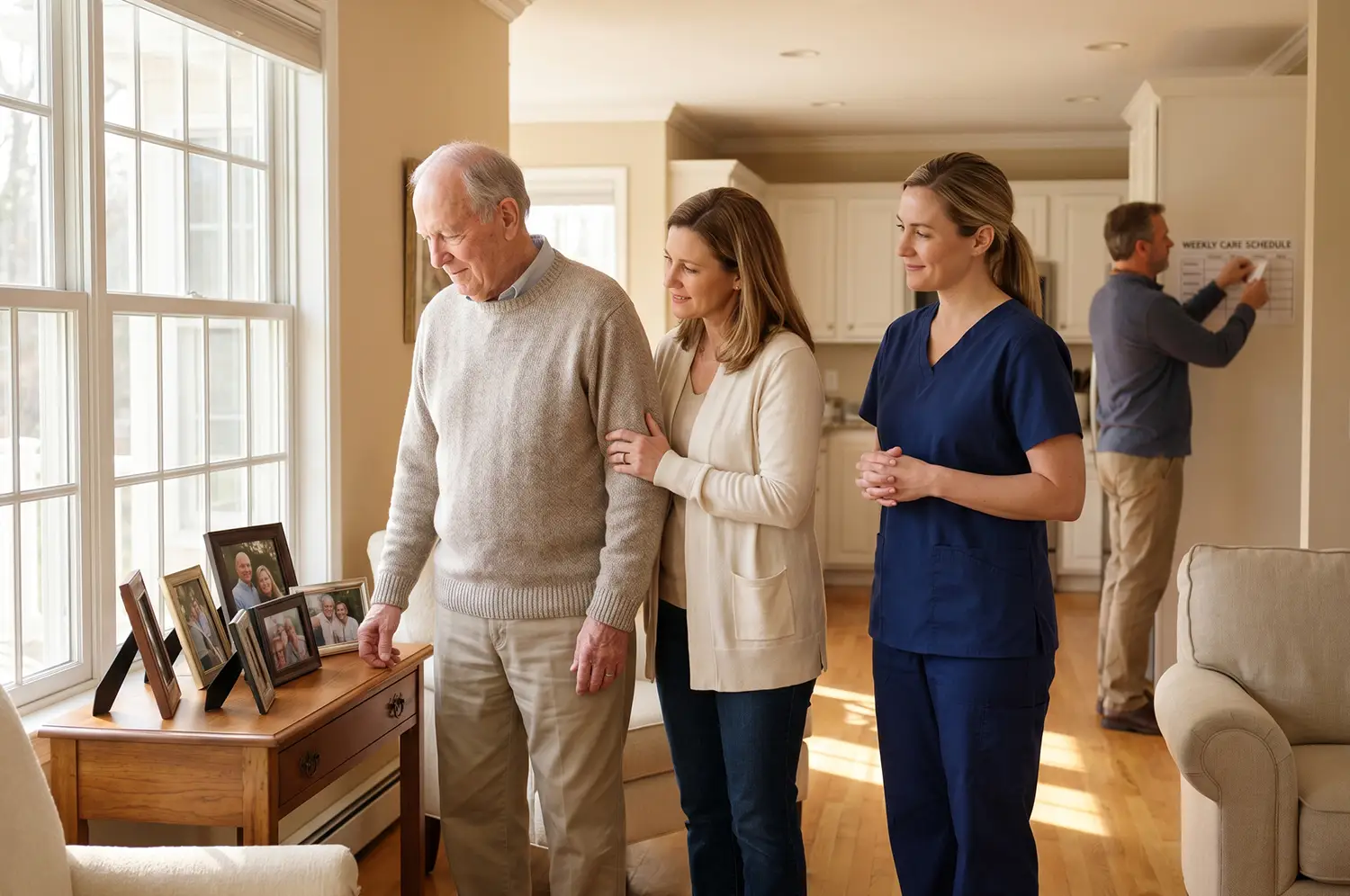
The most effective way to reduce fall risk for seniors receiving home care is to combine home safety modifications with strength support and routine health monitoring. Most falls can be prevented by removing hazards, improving lighting, securing bathrooms, stabilizing flooring, and maintaining physical conditioning and medication oversight. Falls are a leading cause of injury among …

By Greg Kling, 8:00 am on February 24, 2026

The most effective ways to manage pain in dementia care include careful observation of nonverbal cues, early use of non-drug therapies, appropriate and monitored medication, environmental adjustments, and consistent daily routines.  Caring for a senior loved one with dementia presents unique challenges, particularly when he or she cannot verbally communicate physical discomfort. Effective pain management …

By Kate Race, 7:20 am on February 18, 2026

When an older adult begins acting differently, families often assume the worst. Memory changes, confusion, withdrawal, or sudden personality shifts can feel like clear signs of dementia. But the reality is more complicated. Three conditions commonly affect older adults: depression, delirium, and dementia. Because their symptoms overlap, it can be difficult to know which one …

By Greg Kling, 8:00 am on February 10, 2026

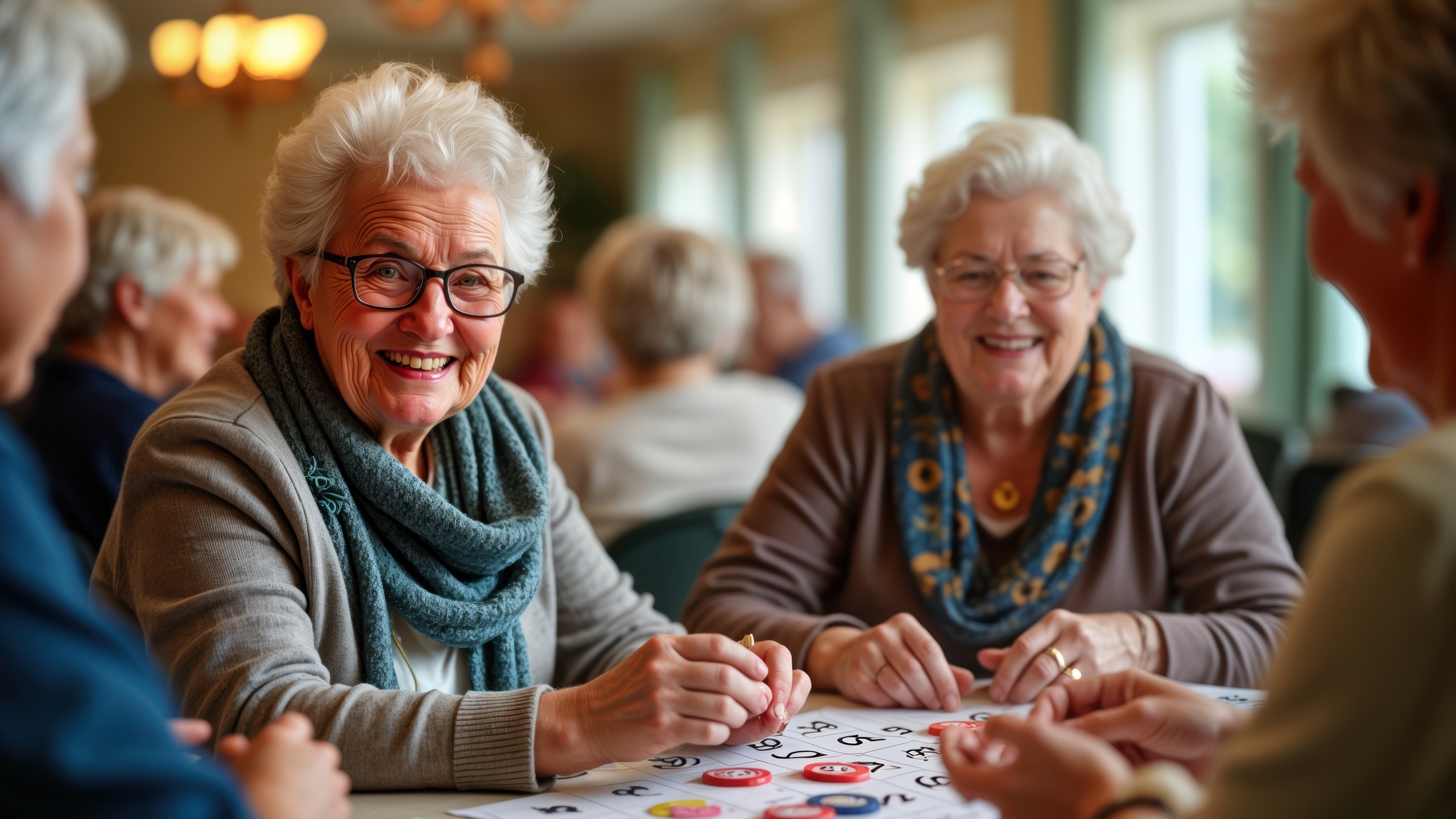
The best ways to keep a loved one mentally stimulated include encouraging regular social interaction, introducing age-appropriate games and hobbies, involving him or her in daily routines, and supporting gentle physical movement. These activities activate memory, attention, and problem-solving skills while reducing isolation and preserving a sense of purpose. Caring for an aging parent or …

By Greg Kling, 8:00 am on January 27, 2026

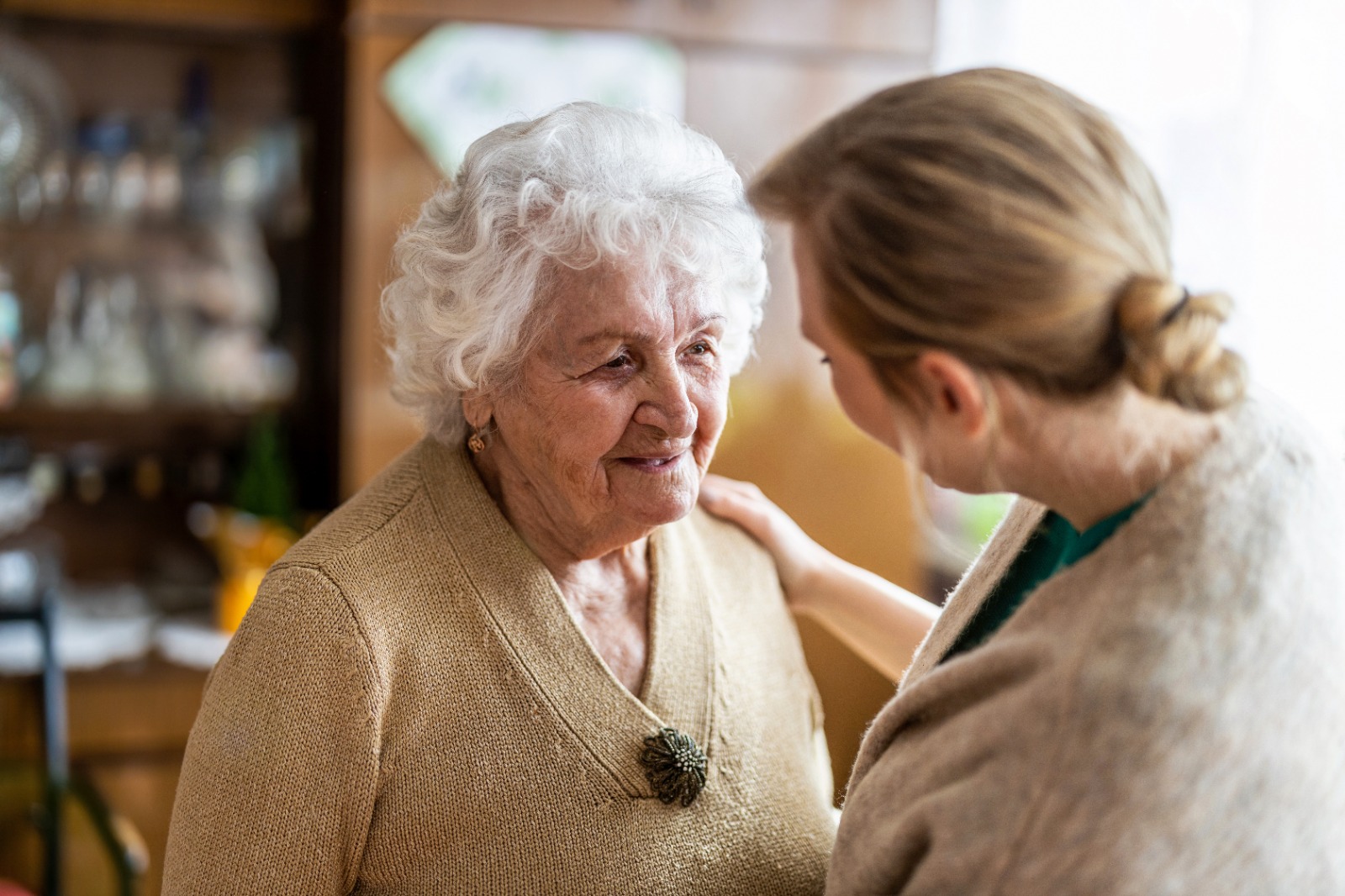
Communicating with a senior loved one living with dementia can present new challenges, but adjusting your approach can make your interactions more positive and meaningful. Learning effective communication strategies helps you maintain your connection and provides better support for your loved one. Here’s a guide to help you navigate conversations with clarity and compassion. Create …

By Greg Kling, 10:10 am on January 23, 2026

Caring for an elderly loved one after a stroke can feel overwhelming at first. The recovery journey often includes physical changes, emotional shifts, and new daily routines that families aren’t always prepared for. Many caregivers find themselves balancing medical instructions with compassion, patience, and constant vigilance. Understanding what support looks like, day to day, can …

By Greg Kling, 10:09 am on January 16, 2026

Diabetes mellitus is the full medical name for the condition most people simply call diabetes. It refers to a group of long-term health conditions that affect how the body manages blood sugar due to problems with insulin production or insulin use. In everyday language, when people say “diabetes,” they’re almost always talking about diabetes mellitus. …

By Greg Kling, 8:00 am on January 13, 2026

When you trust someone with in-home care for a senior loved one, you want assurance the individual is prepared for any situation. Knowing how a caregiver will respond in an emergency is crucial for your peace of mind and your loved one’s safety. Create a Detailed Emergency Plan The first step in handling emergencies is …