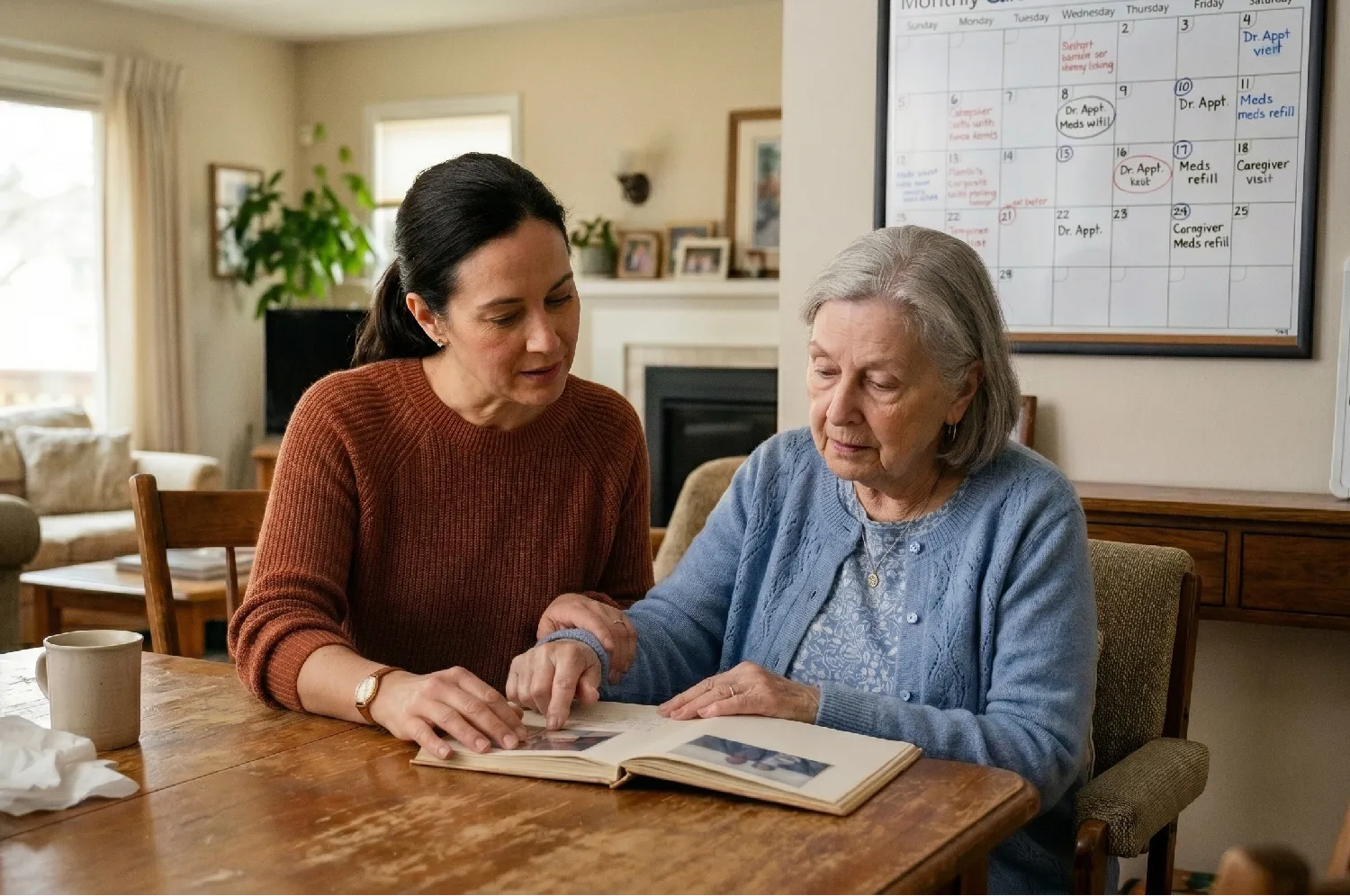
The most common challenges in dementia care include communication difficulties, behavioral changes, sleep disruptions, caregiver burnout, and safety concerns. Overcoming these issues typically involves using clear communication, establishing consistent routines, identifying behavior triggers, creating a safe home environment, and seeking outside support when necessary.
Caring for a senior loved one with dementia presents a unique set of hurdles that can often feel overwhelming for caregivers. While the journey is filled with moments of connection and love, understanding the specific challenges involved is the first step toward managing them effectively. This guide explores the most frequent difficulties faced in dementia care and offers practical strategies to help you cope.
Why Does Dementia Make Communication with Loved Ones More Difficult?
One of the most profound changes in dementia is the decrease in communication skills. As the disease progresses, your loved one may have difficulty finding the right words, repeat him or herself frequently, or lose his or her train of thought entirely. This can lead to frustration for both of you.
To overcome these barriers, patience is key. Speak slowly and clearly, using simple sentences and avoiding complex questions. Nonverbal cues, such as gentle touch and maintaining eye contact, can also bridge the gap when words fail. If your loved one is having difficulty expressing him or herself, try to interpret the emotions rather than just the words. Often, the feeling behind the statement is more important than the statement itself.
What Causes Behavioral Changes Like Aggression in Dementia Patients?
Changes in behavior, including aggression, wandering, or agitation, are common and can be distressing. These behaviors often stem from an inability to communicate needs such as pain, hunger, or fear. For example, your loved one might become aggressive due to feeling confused by his or her surroundings or frustrated by a task he or she can no longer perform.
Identifying triggers is crucial for managing these behaviors. Keep a diary to note when and why aggressive outbursts occur. Is it typically in the late afternoon (sundowning)? Is it during specific activities like bathing? Once you identify the trigger, you can modify the environment or routine. Establishing a calm, predictable daily schedule can also reduce anxiety and provide a sense of security.
How Do Sleep Changes and Sundowning Affect Dementia Care?
Many people with dementia experience changes in their sleep patterns, often confusing day and night. “Sundowning”—increased confusion and agitation in the late afternoon and evening—can make settling down for sleep particularly difficult. This not only disrupts your loved one’s rest but can lead to severe sleep deprivation for you as well.
To mitigate sleep issues, establish a soothing bedtime routine. Limit caffeine and sugar intake in the afternoon and ensure your loved one gets plenty of natural light and physical activity during the day to regulate his or her internal clock. Creating a peaceful environment in the evening—dimming lights, playing soft music, or engaging in quiet activities—can signal it’s time to wind down.
If you have a senior loved one who needs help maintaining a high quality of life while aging in place, reach out to Assisting Hands Home Care, a top Northern Kentucky home care provider. Our caregivers help seniors focus on healthy lifestyle habits such as eating nutritious foods, exercising regularly, and maintaining strong social ties, and we offer mentally stimulating activities that can boost cognitive health and delay the onset of dementia.
Why Is Caregiver Burnout So Common in Dementia Care?
Perhaps the most overlooked challenge is the toll dementia care takes on the caregiver. The physical and emotional demands can lead to burnout, depression, and social isolation. Caregivers often neglect their own health and wellbeing while prioritizing their loved ones, which ultimately compromises their ability to provide care.
Overcoming burnout requires acknowledging that you cannot do it all alone. Seek support early and often. This might mean joining a support group where you can share experiences with others who understand your situation, hiring respite care to give yourself a break, or simply asking family and friends for specific help. Prioritizing self-care is essential for sustainable caregiving.
Family caregivers need to care for their own wellbeing. Whether you need respite from your caregiving duties or your aging loved one needs Northern Kentucky 24-hour care, Assisting Hands Home Care can meet your family’s care needs. Our dedicated caregivers are available around the clock to provide transportation to doctor’s appointments, ensure seniors take their prescribed medications, and help with a variety of tasks in and outside the home.
How Can You Increase Safety at Home for Someone with Dementia?
As cognitive abilities decline, everyday household items can become hazards. Memory loss might lead to leaving the stove on, while confusion can result in wandering out of the house. Ensuring a safe environment is a constant concern that evolves as the disease progresses.
Conducting a home safety audit is a practical step. This includes installing locks on doors to prevent wandering, removing tripping hazards like loose rugs, and using technology such as stove shutoff devices or GPS trackers. Simple modifications, like labeling doors or using contrasting colors for steps, can also help your loved one navigate the home more safely and independently.
Caring for seniors with dementia can be challenging for family caregivers. Luckily, there is dementia care Northern Kentucky families can trust. Professional dementia caregivers help seniors with dementia stay safe and comfortable at home by preventing wandering, providing cognitive stimulation, and assisting with household chores. For compassionate, reliable in-home care, trust the experienced professionals from Assisting Hands Home Care. Reach out to one of our dedicated Care Managers today to learn about the high quality of our in-home care services.
Frequently Asked Questions
How do I know when it’s time to seek dementia care services?
+
If managing daily tasks or behavioral changes becomes overwhelming or safety is a concern, it may be time to explore professional care options.
What activities are included in dementia care to stimulate memory?
+
Activities like puzzles, music therapy, and reminiscence exercises are often used to engage cognitive function and promote emotional wellbeing.
Can dementia care services be provided at home?
+
Yes, many services offer in-home care, allowing individuals to remain in familiar environments while receiving specialized support.
How do dementia care services address behavioral changes?
+
Caregivers are trained to manage behaviors like agitation or confusion with patience, empathy, and tailored strategies.
What’s the primary goal of dementia care services?
+
The goal is to provide personalized support that enhances quality of life, ensures safety, and addresses the unique challenges of cognitive decline.