Blog

Blog

By Kate Race, 11:16 am on June 25, 2026

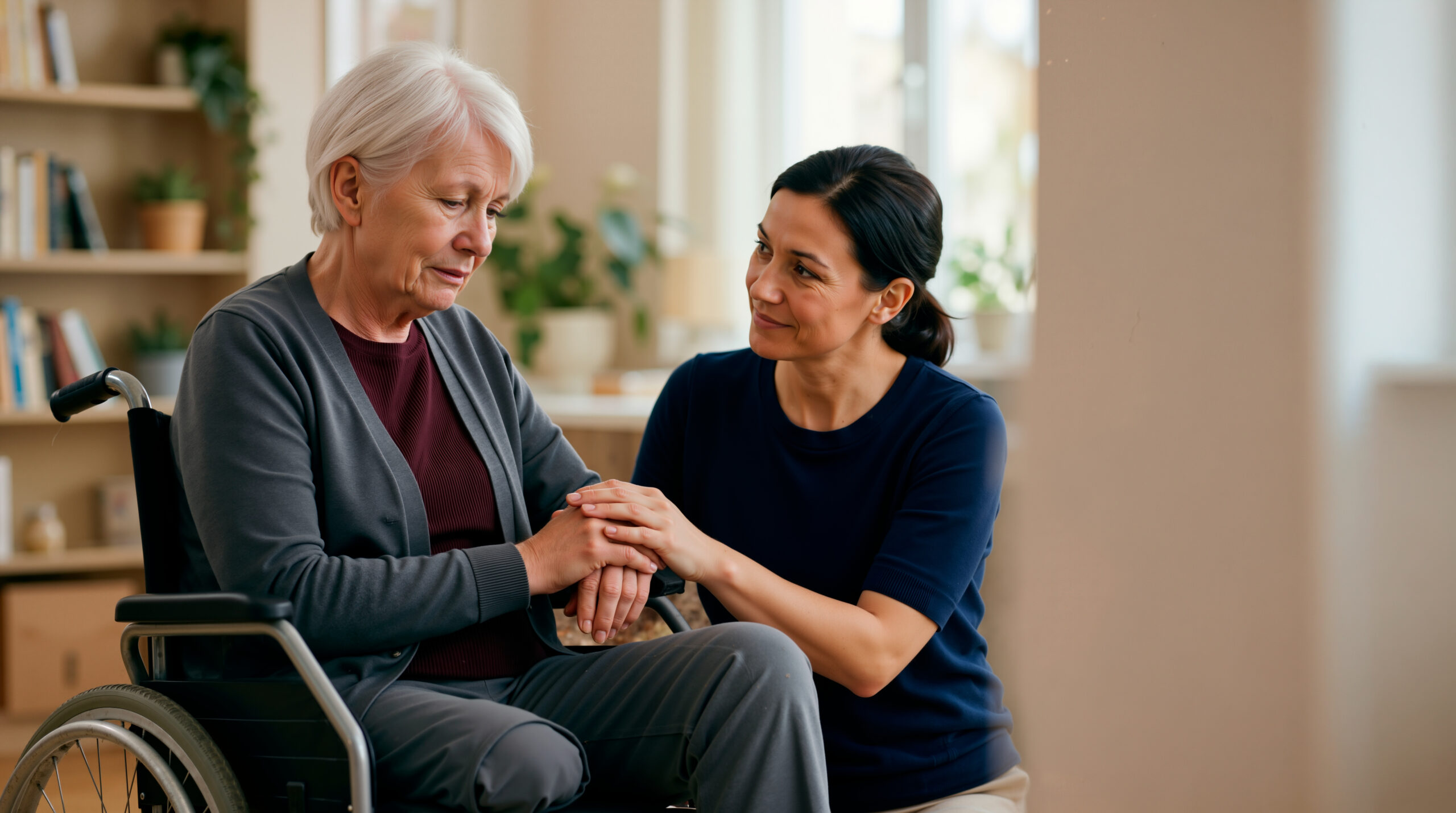
A dementia diagnosis changes life for an entire family. Naturally, most of the attention centers on the individual living with the disease. Families begin searching for information, meeting with doctors, and trying to understand what the future may hold. They focus on safety, care needs, and finding the right resources. Those conversations are necessary, but …

By Kate Race, 8:00 am on June 23, 2026

Caregivers providing long-term dementia care face substantial health risks, including chronic stress, physical exhaustion, and severe emotional burnout. The relentless demands of watching a senior loved one weaken often lead to a neglected personal life and deteriorating wellbeing. Understanding these daily challenges is the first step toward finding a sustainable daily routine. What Emotional Toll …

By Greg Kling, 8:00 am on June 9, 2026

Caregivers can adapt a home for a senior loved one with vision or hearing loss by removing physical hazards, improving indoor lighting, and installing visual or tactile alert systems. These practical modifications greatly enhance everyday safety and help individuals maintain their independence. What Are the Best Ways to Improve Indoor Lighting? Adding bright, consistent lighting …

By Kate Race, 9:45 am on June 8, 2026

If you care for a loved one living with dementia, chances are you’ve found yourself asking the same question at some point: Why is he or she fighting me on this? Maybe the struggle showed up around a shower. Maybe it involved taking medication. Maybe it happened while getting dressed, using the bathroom, eating, or …

By Greg Kling, 8:00 am on May 26, 2026

Decreasing mobility turns everyday tasks into safety risks the moment routine activities like bathing, cooking, or climbing stairs significantly increase a person’s chances of falling or sustaining an injury. Recognizing this physical shift early is crucial for implementing necessary precautions and preventing dangerous accidents at home. What Are the Early Warning Signs of Decreasing Mobility? …

By Kate Race, 10:51 am on May 12, 2026

For many families, dementia care starts quietly. It begins with small adjustments: helping with appointments, stepping in with reminders, managing a few extra responsibilities. Over time, those responsibilities grow. What once felt manageable becomes more demanding, and eventually there’s a moment when everything feels heavier than expected. That’s usually when the idea of needing help …

By Greg Kling, 8:00 am on May 12, 2026

In-home care provides seniors with arthritis personalized assistance with daily tasks, enhancing their comfort and allowing them to maintain independence in familiar environments. By receiving tailored support right at home, older adults can manage their joint stiffness and mobility challenges safely. This approach ultimately enhances their overall quality of life without the need to relocate. …

By Greg Kling, 8:00 am on April 28, 2026

A geriatric care manager (GCM) is a healthcare professional who specializes in coordinating care for older adults, particularly those with dementia, by assessing needs, creating care plans, and connecting families with appropriate resources. Whether you need one depends on factors like the complexity of care required, family availability, and the stage of dementia progression. What …

By Greg Kling, 8:00 am on April 14, 2026

Caregivers can help seniors stay socially connected by facilitating regular communication with family and friends, encouraging participation in community activities, and leveraging technology to bridge physical distances. Social connection is vital for mental and emotional wellbeing, combating loneliness and depression. Here are practical strategies you can implement to keep your senior loved one engaged and …

By Kate Race, 1:18 pm on April 1, 2026

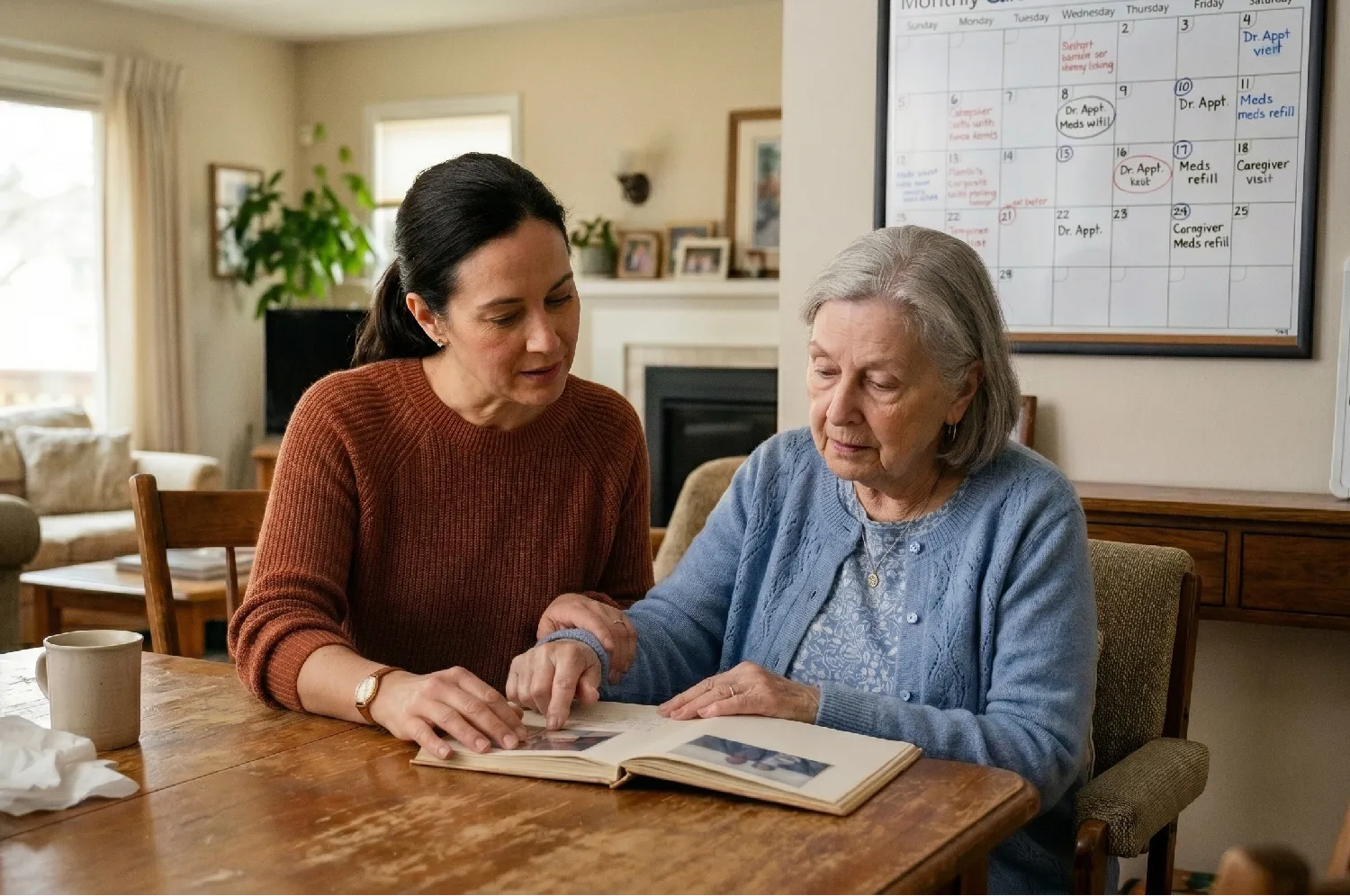
Many caregivers ask the same question: Why do visits feel so different now? Spending time with someone who has dementia can feel uncertain. Conversations may not flow the same way, and visits may leave you feeling unsure or even discouraged. This is a common experience, and it has less to do with what you’re doing …