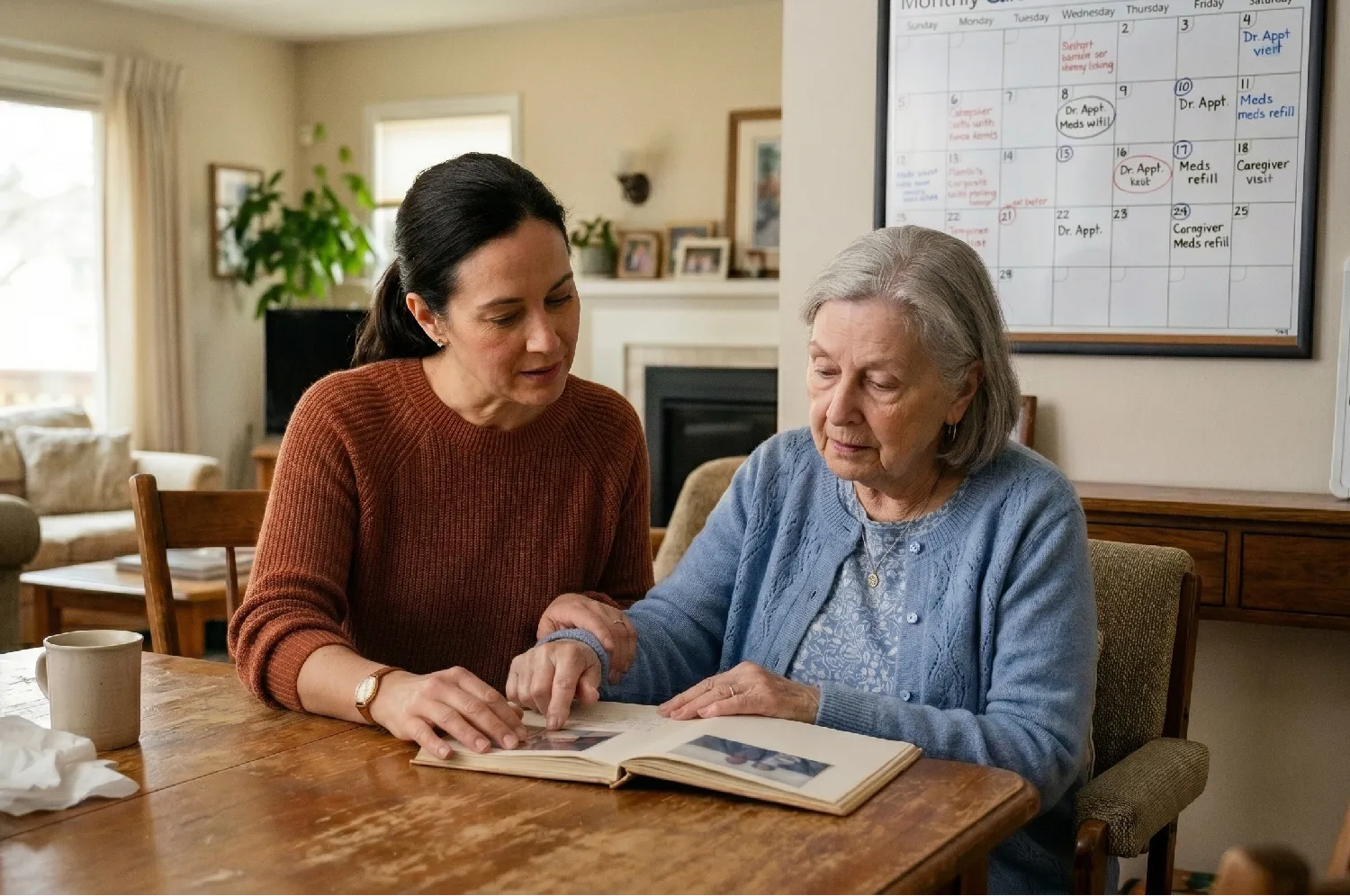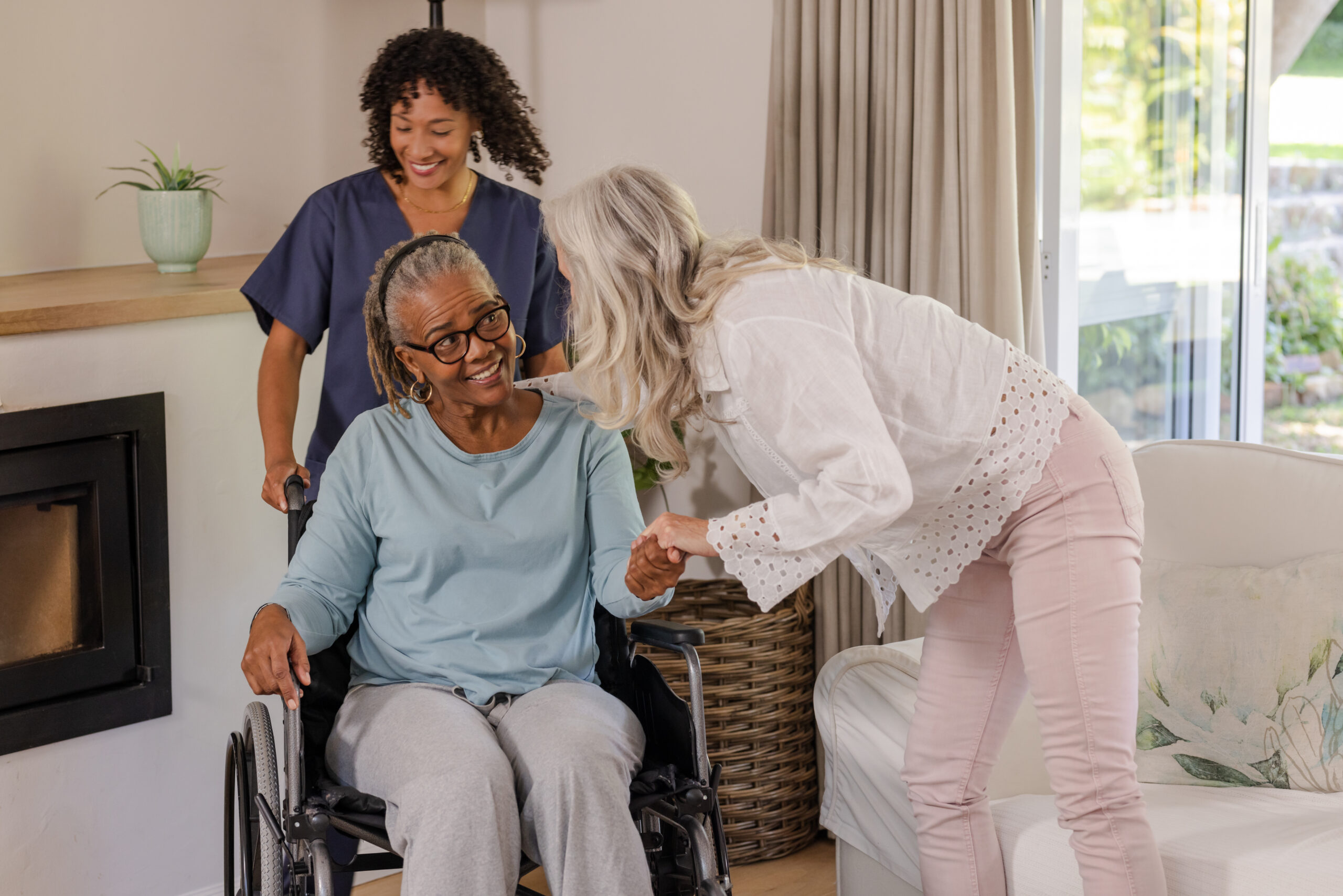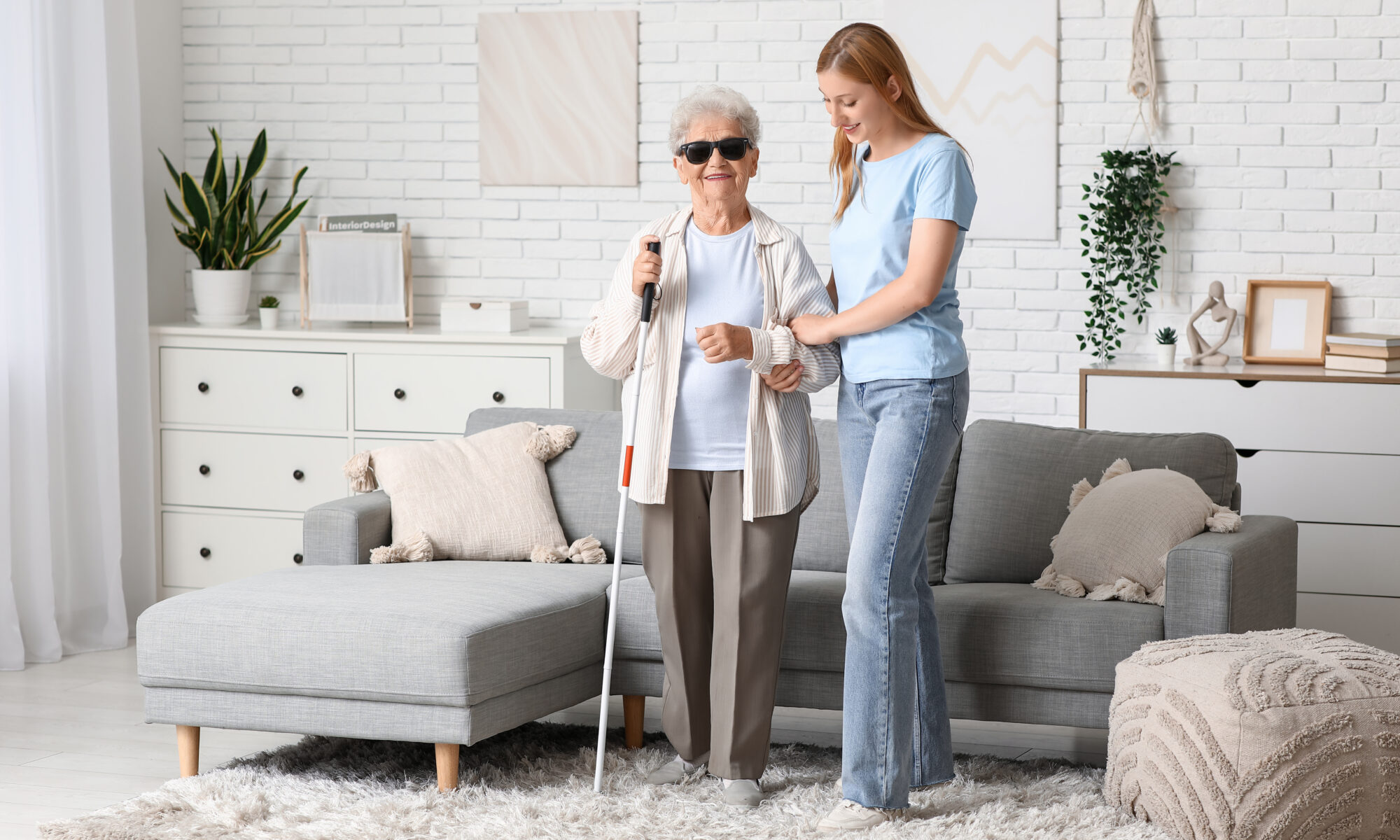
Caregivers can adapt a home for a senior loved one with vision or hearing loss by removing physical hazards, improving indoor lighting, and installing visual or tactile alert systems. These practical modifications greatly enhance everyday safety and help individuals maintain their independence.
What Are the Best Ways to Improve Indoor Lighting?
Adding bright, consistent lighting helps individuals with vision loss navigate their surroundings safely. Caregivers should focus on areas with high foot traffic and potential hazards.
- Install motion-sensor lights in hallways, closets, and bathrooms.
- Place adjustable task lamps near reading, cooking, or working areas.
- Open blinds and curtains during the day to maximize natural sunlight.
How Can Color and Contrast Enhance Safety?
Using contrasting colors makes objects and pathways stand out clearly for those with limited vision. This visual separation prevents accidental bumping and makes daily tasks easier.
- Place dark rugs on light-colored floors to highlight walking paths.
- Apply brightly colored tape to the edges of stairs and doorways.
- Use brightly colored plates and cups that contrast strongly with the dining table.
What Changes Make a Home Safer for Hearing Loss?
Visual and tactile alerts are essential modifications for individuals who cannot rely on auditory cues. Upgrading standard household alarms ensures important events are never missed.
- Install smoke and carbon monoxide detectors equipped with flashing strobe lights.
- Use vibrating alarm clocks placed directly under pillows or mattresses.
- Connect doorbells and telephones to smart home systems that flash the room’s lights when activated.
The type of home care Northern Kentucky seniors need can vary. Some need assistance a few hours a day, while others require more extensive around-the-clock assistance. At Assisting Hands Home Care, we tailor our care plans based on each senior’s individual care needs, and the plans can be adjusted at any time. We are a trusted provider of respite and 24-hour care, and we also offer specialized Alzheimer’s, dementia, Parkinson’s, and stroke care for seniors.
How Can Tripping Hazards Be Eliminated?
Clearing walkways minimizes the risk of falls for individuals with sensory impairments. A clutter-free home provides a secure environment for independent movement.
- Remove loose throw rugs entirely or secure them firmly with heavy-duty double-sided tape.
- Reroute electrical cords behind furniture or secure them along the baseboards.
- Keep everyday items in consistent, easily reachable locations to avoid searching in precarious spots.
Living independently is important for seniors who want to maintain a high quality of life. For some, this simply means receiving help with tasks that have become more challenging to manage over time. Even when families have the best intentions, they may not have the time to provide the care their elderly loved ones need and deserve. If your loved one needs help to age in place as independently as possible, reach out to Assisting Hands Home Care, a trusted provider of respite, live-in, and overnight care seniors can depend on.
Vision and hearing impairments can have a major effect on the ability to perform everyday tasks, but help is just a phone call away. Some Northern Kentucky seniors only require help with a few daily tasks so they can maintain their independence. However, those living with serious illnesses may need more extensive assistance. Luckily, there is professional 24-hour care for Northern Kentucky seniors with health conditions that require extra support. Home can be a safer and more comfortable place for your loved one to live with the help of an expertly trained and dedicated around-the-clock caregiver. Call one of our dedicated Care Managers today to learn about the high quality of our in-home care services.
Frequently Asked Questions
How do you make a bathroom safer for sensory loss?
+
Install grab bars near the toilet and shower, and use nonslip mats with highly contrasting colors. Adding a flashing light indicator for the shower water temperature can also prevent accidental burns.
Are smart home devices useful for home adaptations?
+
Yes, smart home systems allow users to control lighting, locks, and thermostats using voice commands or visual smartphone applications. They provide an extra layer of convenience and security without relying on traditional senses.
How can caregivers reduce background noise in the home?
+
Adding soft furnishings like thick curtains, plush carpets, and acoustic panels absorbs sound and reduces indoor echoes. This makes it much easier for individuals with partial hearing to focus on direct conversations.
What’s the most important first step in modifying a home?
+
The best first step is conducting a thorough walkthrough of the house to identify immediate safety hazards like poor lighting or cluttered floors. Addressing these basic issues creates a solid foundation for all further household adaptations.