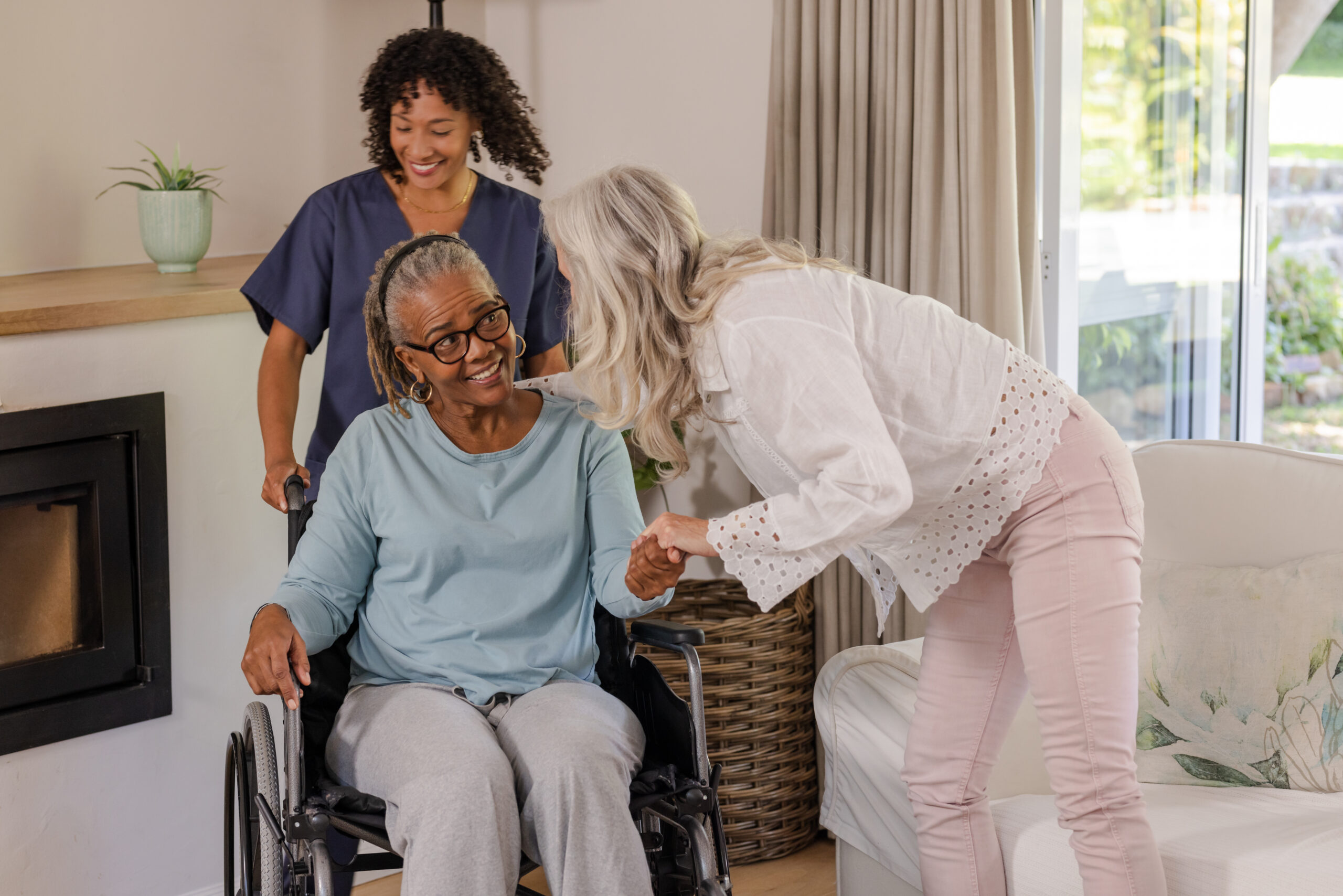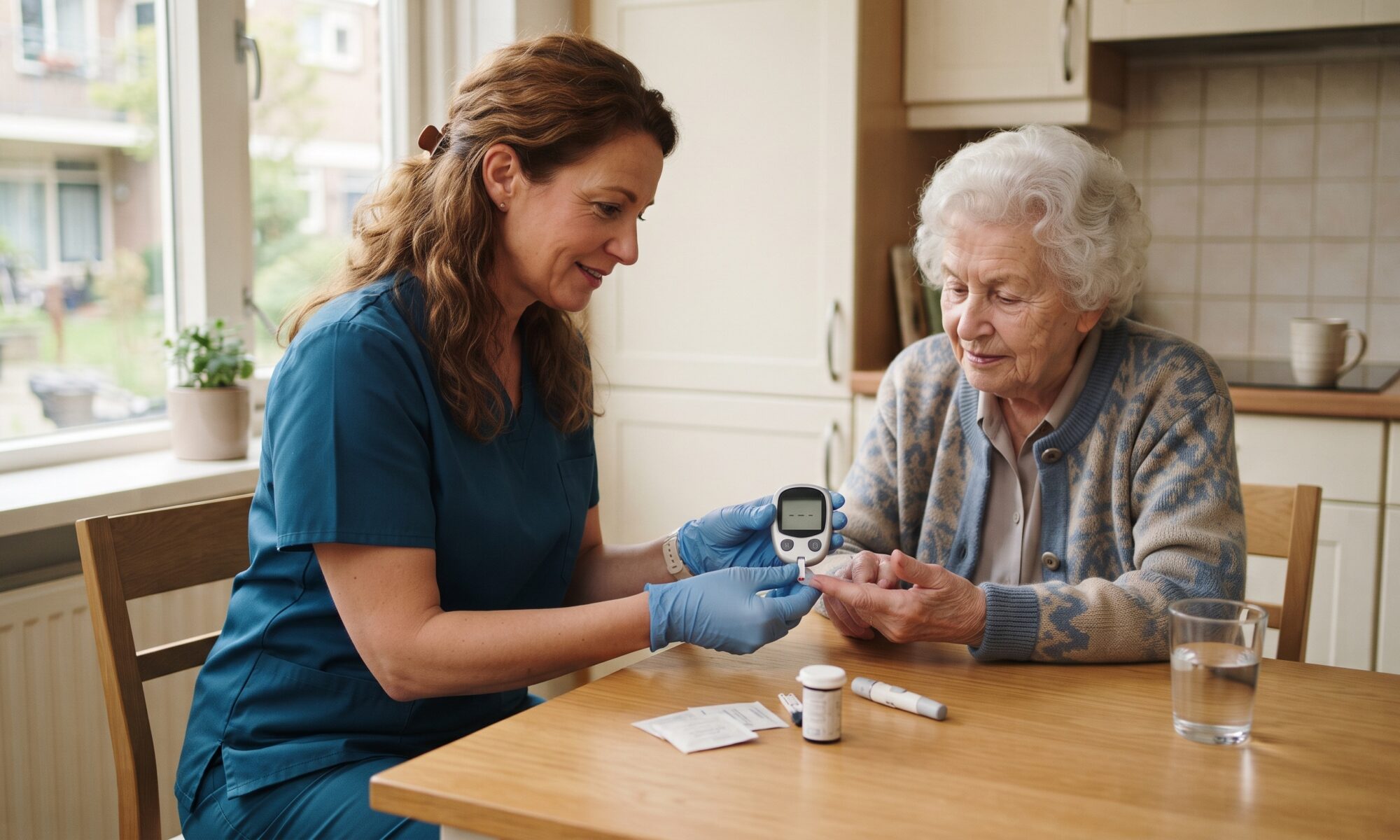
In-home care helps individuals with chronic conditions manage their health by providing consistent, personalized support in the comfort of their own homes, reducing hospitalizations, improving daily functioning, and enhancing overall quality of life.
In-home care is one of the most effective ways to manage chronic conditions like diabetes, heart disease, and COPD. It brings tailored support directly to the senior, making it easier to maintain routines and stay on top of health goals.
What Chronic Conditions Can Be Managed through In-Home Care?
In-home care supports a wide range of long-term health conditions, including:
- Diabetes – Blood sugar monitoring, diet support, and insulin management
- Heart disease – Vital sign tracking, medication reminders, and lifestyle coaching
- COPD and asthma – Breathing exercises and symptom monitoring
- Arthritis – Mobility assistance and pain management support
- Alzheimer’s and dementia – Cognitive engagement and safety supervision
- Parkinson’s disease – Fall prevention and daily living assistance
How Does In-Home Care Enhance Chronic Condition Management?
In-home care enhances outcomes by delivering consistent one-on-one attention clinical settings often can’t provide. Key benefits include:
- Personalized care plans tailored to individuals’ specific conditions and lifestyles
- Reduced hospital readmissions through proactive monitoring and early symptom detection
- Better medication adherence with regular reminders and caregiver oversight
- Greater independence for those who prefer to remain in familiar surroundings
- Emotional support that reduces isolation, a common challenge for those with chronic illness
What Does a Typical In-Home Care Plan for a Chronic Condition Look Like?
A care plan is built around the individual’s diagnosis, daily routine, and personal goals. It typically includes:
- An initial assessment conducted by a care coordinator or registered nurse
- Clearly defined caregiver responsibilities and visit schedules
- Health monitoring protocols (e.g., blood pressure checks, glucose readings)
- Coordination with the senior’s existing healthcare providers
- Regular plan reviews to adjust for any changes in condition
How Do Caregivers Support Day-to-Day Living for Chronic Condition Patients?
Beyond clinical monitoring, caregivers assist with the everyday tasks that chronic illness can make difficult:
- Personal hygiene and grooming to maintain dignity and comfort
- Meal preparation aligned with dietary needs (e.g., low-sodium or diabetic-friendly meals)
- Transportation to appointments and community activities
- Light housekeeping to maintain a safe, clean living environment
- Companionship to support mental and emotional wellbeing
Northern Kentucky home care providers can benefit aging adults in a variety of ways. From cooking nutritious meals to offering timely medication reminders, the dedicated caregivers at Assisting Hands Home Care are available to help your elderly loved one 24 hours a day, 7 days a week.
How Do You Know when In-Home Care Is the Right Choice for a Chronic Condition?
In-home care is worth considering when:
- A chronic condition is limiting your loved one’s ability to manage daily tasks independently.
- Frequent hospitalizations or emergency visits are becoming a pattern.
- You’re experiencing burnout and need additional support.
- Your loved one strongly prefers to remain at home rather than transition to a facility.
- A care team has recommended closer, more consistent monitoring between appointments.
If you’re the primary family caregiver for an elderly loved one, 24-hour care for Northern Kentucky seniors is available around the clock if your loved one’s health has become too difficult to manage without professional expertise. At Assisting Hands Home Care, we take measures to help seniors prevent illness and injury by assisting with exercise and mobility, preparing nutritious meals, helping with bathing and other personal hygiene tasks, and much more.
Families who find it difficult to care for their aging loved ones without assistance can benefit greatly from professional respite and overnight care Northern Kentucky seniors can rely on. Family caregivers who need a break from their caregiving duties can turn to Assisting Hands Home Care. Our caregivers can encourage your loved one to eat well, exercise regularly, get plenty of mental and social stimulation, and focus on other lifestyle factors that promote longevity. To create a customized home care plan for your loved one, call Assisting Hands Home Care today
Frequently Asked Questions
What’s the difference between in-home care and home health care?
+
In-home care focuses on nonclinical support like personal care and companionship, while home health care involves skilled services such as wound care or physical therapy ordered by a physician.
How often do in-home caregivers typically visit for chronic condition management?
+
Visit frequency varies by need. Some individuals require daily visits, while others may need care only a few times per week based on the complexity of their conditions.
Is in-home care for chronic conditions covered by insurance?
+
Coverage depends on the type of care needed and your loved one’s insurance plan. Medicare, Medicaid, and some private insurers may cover certain in-home services.
Can in-home care be combined with other forms of care, such as outpatient therapy?
+
Yes. In-home care is designed to complement existing care arrangements, including outpatient therapy, specialist visits, and community health programs.
How is the quality of an in-home caregiver monitored over time?
+
Most in-home care agencies conduct regular check-ins, caregiver evaluations, and care plan reviews to ensure the level of support continues to meet the client’s evolving needs.