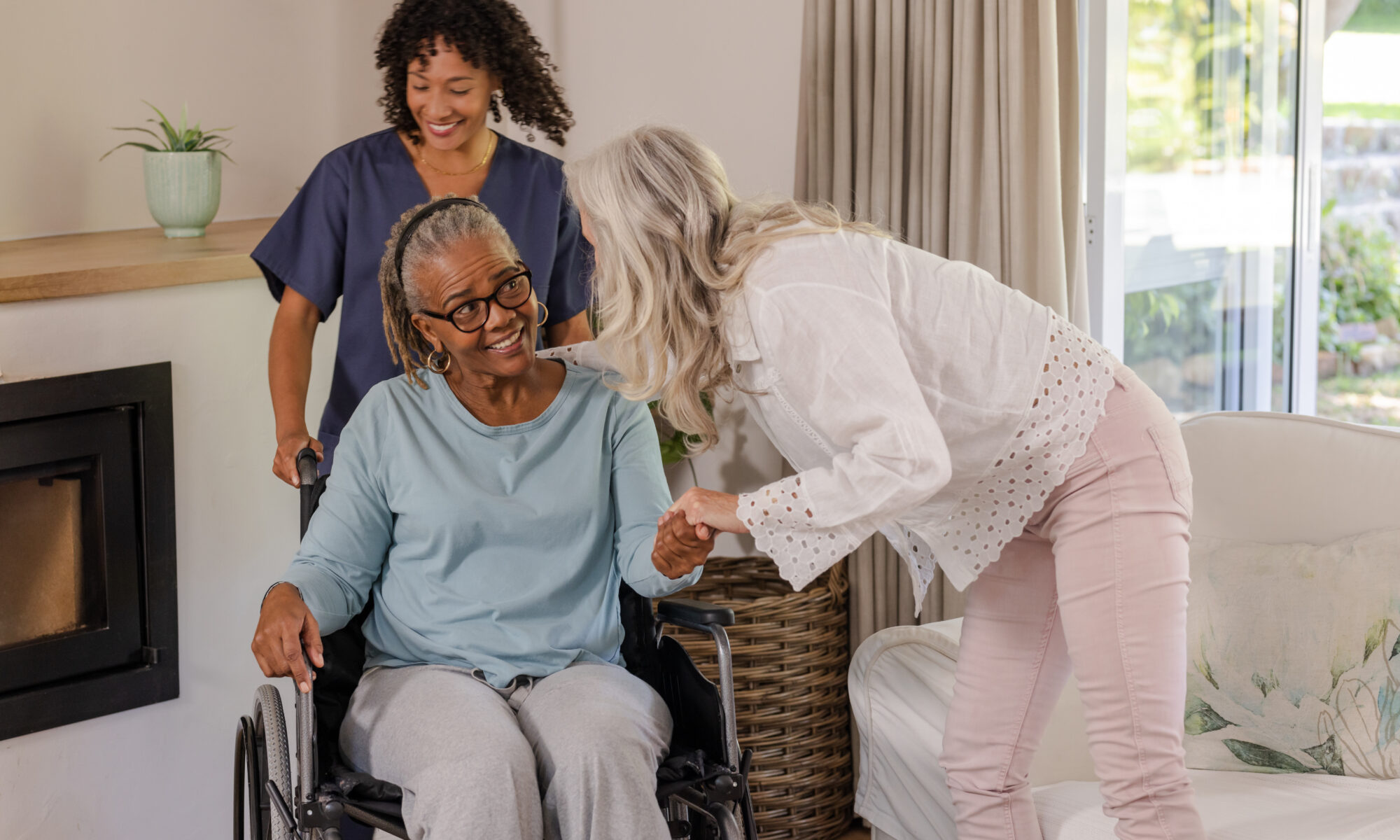
When your senior loved one faces health challenges, clear communication with his or her healthcare team becomes essential. Effective dialogue ensures your family member receives the best possible care while keeping everyone informed about treatment decisions and health changes.
Prepare Questions and Information Before Appointments
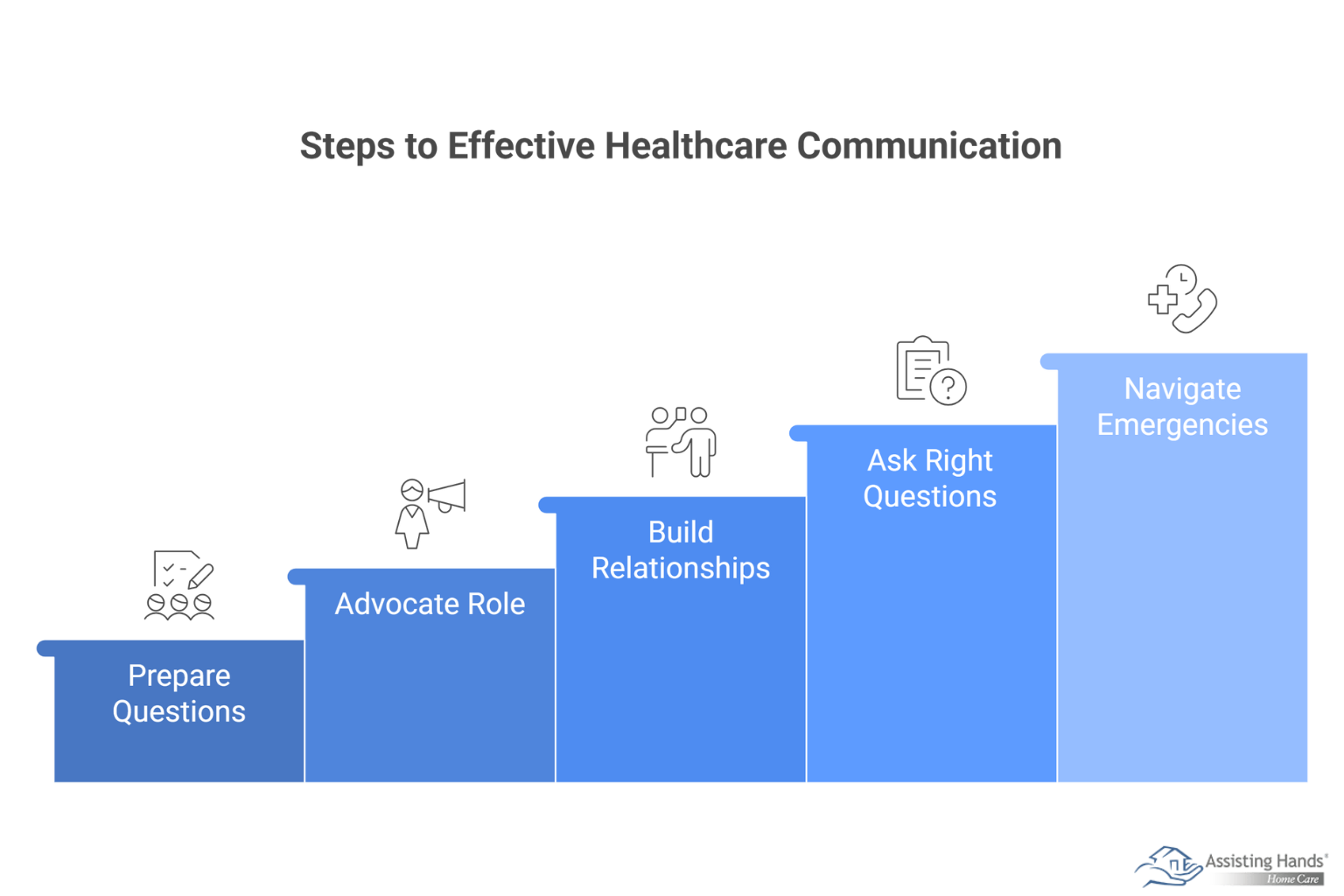
Preparation transforms medical visits from overwhelming experiences into productive conversations. Write down specific questions about symptoms, medications, or treatment options beforehand.
- Create a list of your loved one’s current medications, including dosages and frequency.
- Document any changes in symptoms or behavior since the last visit.
- Bring a notebook to record important information during the appointment.
- Prepare a prioritized list of concerns, starting with the most pressing issues.
Having organized information helps healthcare providers make informed decisions quickly and ensures nothing important gets forgotten during the appointment.
There are a variety of age-related health conditions that can make it more challenging for seniors to live independently. However, many of the challenges they face can be easier to address if their families opt for professional elderly home care. You can rely on expertly trained caregivers to keep your loved one safe and comfortable while aging in place.
Understand Your Role as an Advocate
As a family advocate, you serve as a bridge between your loved one and the medical team. This role requires balancing respect for your loved one’s autonomy with ensuring he or she receives appropriate care.
- Ask for clarification when medical terms seem confusing.
- Request written instructions for complex care plans.
- Speak up if something doesn’t seem right or if concerns aren’t being addressed.
- Ensure your loved one’s preferences and values are communicated clearly.
Remember that advocacy means amplifying your loved one’s voice, not replacing it entirely.
Build Relationships with the Healthcare Team
Strong relationships with nurses, doctors, and support staff create a foundation for better communication throughout your loved one’s care journey.
- Learn the names of key staff members and their roles.
- Show appreciation for good care and attention.
- Maintain consistent contact information for emergencies.
- Follow up appropriately without becoming demanding.
Healthcare providers respond positively to families who treat them as partners rather than adversaries in care.
Caring for a senior loved one can be difficult, but compassionate help is just a phone call away. Certain age-related conditions can make it more challenging for seniors to age in place safely and comfortably, but Northern Kentucky live-in care experts are available around the clock to help seniors manage their health. Whether your loved one is living with dementia or recovering from a stroke, you can trust the professional caregivers from Assisting Hands Home Care to enhance his or her quality of life.
Ask the Right Questions about Treatment Plans
Understanding treatment options empowers you to support informed decision-making. Don’t hesitate to ask detailed questions about proposed treatments or medications.
- “What are the potential benefits and risks of this treatment?”
- “How will this medication interact with current prescriptions?”
- “What should we expect in terms of recovery time or side effects?”
- “Are there alternative treatment options we should consider?”
Request information in writing when treatment plans involve multiple steps or complex instructions.
Navigate Emergency Situations with Confidence
Medical emergencies require quick, clear communication to ensure your loved one receives appropriate care. Keep essential information easily accessible for these situations.
- Maintain an updated list of medical conditions, allergies, and emergency contacts.
- Know which hospital your loved one prefers or where his or her primary doctor has privileges.
- Keep insurance information and identification documents readily available.
- Understand your loved one’s wishes regarding life-sustaining treatments.
During emergencies, provide concise, factual information about symptoms and recent changes in your loved one’s condition rather than speculating about causes. Your loved one’s medical team can offer sound advice on whether your parent can benefit from professional home care. If your elderly loved one needs help maintaining a high quality of life while aging in place, reach out to Assisting Hands Home Care of Northern Kentucky, a trusted provider of Northern Kentucky home care service. Our caregivers provide transportation to and from medical appointments and social events, nutritious meal preparation, assistance with daily exercise, and help with everyday tasks like bathing, grooming, and light housekeeping. If you need professional care for your loved one, reach out to one of our Care Managers today.