Decreasing mobility turns everyday tasks into safety risks the moment routine activities like bathing, cooking, or climbing stairs significantly increase a person’s chances of falling or sustaining an injury. Recognizing this physical shift early is crucial for implementing necessary precautions and preventing dangerous accidents at home.
What Are the Early Warning Signs of Decreasing Mobility?
The earliest indicators of failing mobility often involve subtle changes in how a person naturally navigates the home environment. Common warning signs to monitor include:
- Holding on to furniture, doorframes, or walls while walking through a room
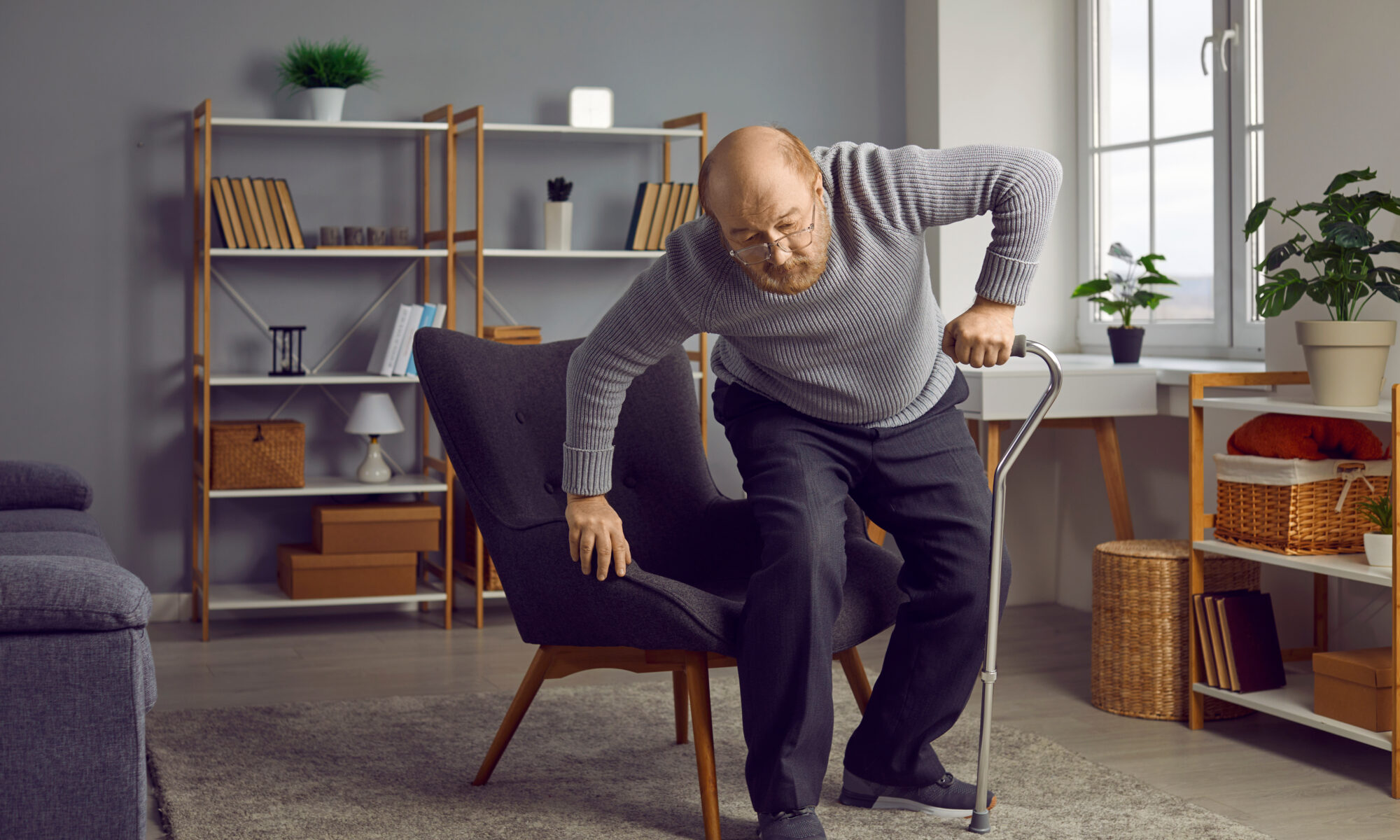
- Experiencing noticeable difficulty when standing up from a soft chair or the toilet
- Displaying unexplained bruising from frequent minor bumps or stumbling
- Actively avoiding stairs or walking at a heavily reduced pace
Which Rooms Pose the Highest Risk for Falls?
Bathrooms and kitchens are the most dangerous areas in the home for individuals experiencing physical limitations. Bathrooms present severe slipping hazards due to wet floors and slick tub surfaces, while kitchens often require reaching for high shelves or carrying heavy cookware. Additionally, staircases represent a major risk zone due to the physical strength, coordination, and balance required to navigate them safely.
If you’re the primary family caregiver for an elderly loved one, 24-hour care for Northern Kentucky seniors is available around the clock if your loved one’s health has become too difficult to manage without professional expertise. At Assisting Hands Home Care, we take measures to help seniors prevent illness and injury by assisting with exercise and mobility, preparing nutritious meals, helping with bathing and other personal hygiene tasks, and much more.
How Can Home Modifications Increase Daily Safety?
Strategic home adjustments can immediately reduce the likelihood of accidents and make routine tasks manageable without full-time assistance. Effective and immediate modifications include:
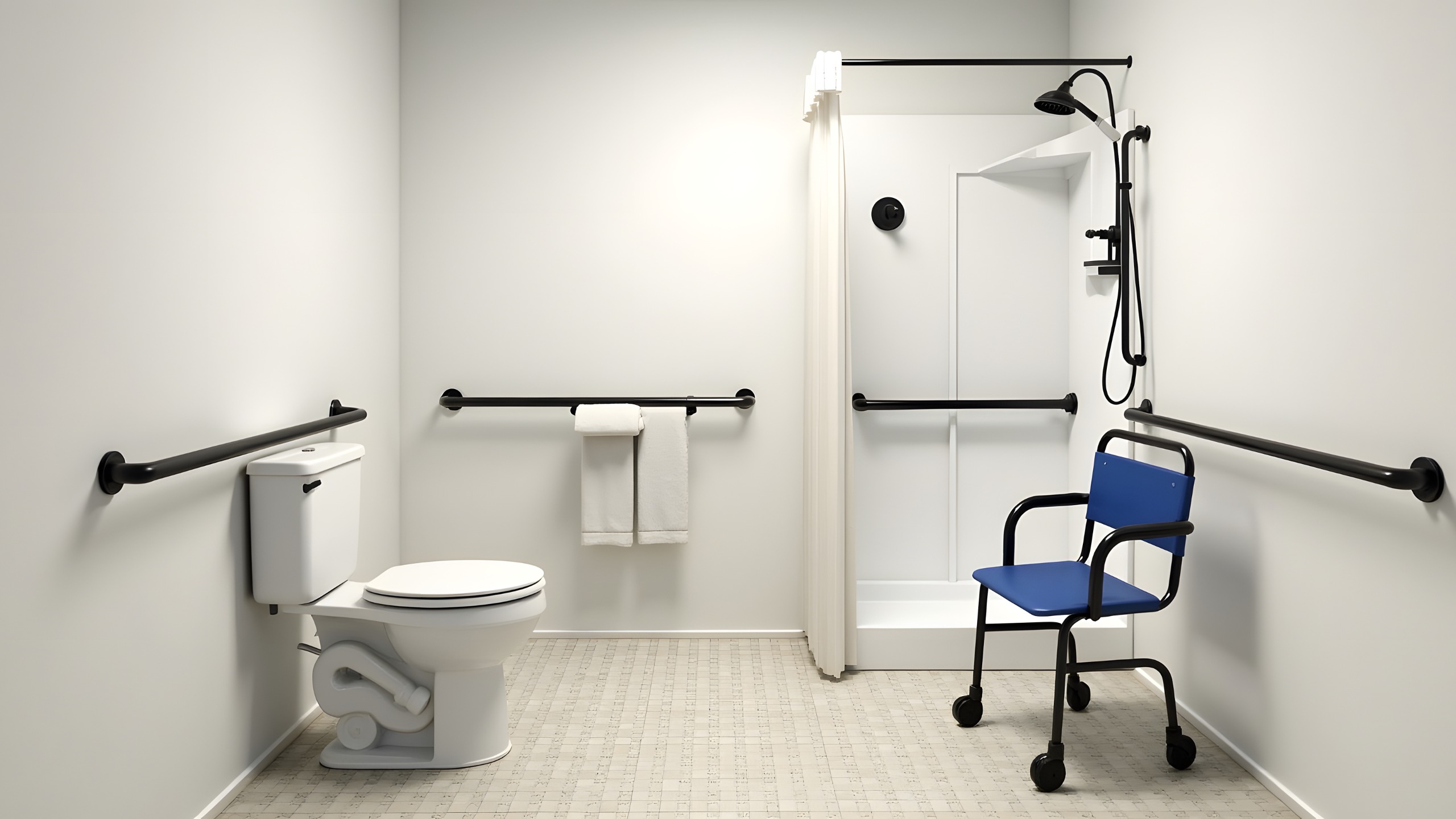
- Installing secure grab bars near toilets and inside showers or bathtubs
- Removing all loose throw rugs and securing carpet edges to prevent tripping
- Upgrading lighting in dark hallways, stairwells, and entryways
- Rearranging kitchen and bathroom cabinets to keep frequently used items at waist height
In the golden years, it’s easier to maintain a high quality of life in a senior-friendly home. One of the most challenging tasks of helping an elderly relative age in place safely and comfortably is researching agencies that provide home care. Families can turn to Assisting Hands Home Care for reliable, high-quality Northern Kentucky home care services for aging adults. We offer 24-hour care for seniors who require extensive assistance, and we also offer respite care for family caregivers who need a break from their caregiving duties.
When Is It Time to Consider Assistive Devices?
You should introduce assistive devices as soon as your loved one’s balance becomes unsteady or fatigue prevents the normal completion of standard daily chores. Mobility aids like canes, walkers, and rollators provide necessary physical stabilization during transit. Meanwhile, smaller tools like shower chairs, long-handled shoehorns, and reaching sticks help individuals manage personal care and household tasks without overexerting themselves.
Living independently is important for seniors who want to maintain a high quality of life. For some, this simply means receiving help with tasks that have become more challenging to manage over time. Even when families have the best intentions, they may not have the time to provide the care their elderly loved ones need and deserve. If your loved one needs help to age in place as independently as possible, reach out to Assisting Hands Home Care, a trusted provider of respite, 24-hour, and overnight care Northern Kentucky seniors can depend on. To learn about our high-quality in-home care services, give us a call today.
Frequently Asked Questions
What causes a sudden decrease in mobility?
+
Sudden mobility loss is often caused by acute medical events, such as a stroke, severe infection, or a physical injury like a bone fracture. You should immediately consult a medical professional if physical abilities change rapidly or without warning.
Can physical therapy reverse mobility deterioration?
+
Physical therapy can often increase strength, balance, and joint flexibility, which may partially reverse or slow age-related mobility loss. Consistent targeted exercise programs designed by a physical therapist are highly effective for maintaining long-term independence.
How do I talk to a loved one about safety risks?
+
Approach the conversation with empathy and respect, focusing on how specific tools or changes can actually help your loved one maintain independence longer. It helps to frame home modifications as proactive practical upgrades rather than a direct response to the lost abilities.
Are home safety modifications covered by Medicare?
+
Original Medicare typically doesn’t cover standard home modifications like grab bars or permanent wheelchair ramps, though it routinely covers durable medical equipment like walkers and wheelchairs. However, some Medicare Advantage plans or state Medicaid waiver programs do offer financial allowances for necessary home safety upgrades.