Many caregivers ask the same question: Why do visits feel so different now?
Spending time with someone who has dementia can feel uncertain. Conversations may not flow the same way, and visits may leave you feeling unsure or even discouraged.
This is a common experience, and it has less to do with what you’re doing and more to do with how dementia changes interaction.
The Emotional Side of Visiting
Visits aren’t just about showing up. They also carry emotional weight.
You’re connecting with someone you care about while noticing changes in who the person is. This creates a form of ongoing grief that can affect how each visit feels.
That emotional layer often leads people to expect certain outcomes from visits. When those expectations aren’t met, it can feel like something went wrong.
Letting the Visit Be What It Is
Dementia doesn’t follow a predictable pattern. Some visits will feel easier than others.
Rather than trying to control the experience, it often helps to approach each visit with flexibility. Removing expectations allows you to adjust in real time and reduces frustration.
Adapting Your Approach to Communication
Communication changes with dementia.
Trying to correct or reorient someone may seem helpful, but it can actually increase confusion or stress.
A more effective approach is to respond to your loved one’s current reality. This helps you maintain a sense of comfort and avoids unnecessary conflict.
A professional dementia caregiver with training and expertise in communicating with dementia patients can be a wonderful asset for your whole family. Certain age-related conditions can make it more challenging for older adults to age in place safely and comfortably, but experts in 24-hour care for Northern Kentucky seniors are available around the clock to help aging adults manage their health. Whether your loved one is living with dementia or recovering from a stroke, you can trust the professional caregivers from Assisting Hands Home Care to enhance his or her quality of life.
When Your Visit Matters
The time of day can influence how a visit goes.
Evening visits are convenient for many people, but they often coincide with increased confusion or fatigue for those with dementia.
Switching visits to earlier in the day can lead to calmer, more successful interactions.
Why Shorter Visits Can Work Better
Long visits can become overwhelming.
Shorter visits allow for meaningful interaction without overstimulation. They also reduce emotional fatigue for caregivers.
Consistency is more important than duration.
Shifting Focus to Abilities
It’s natural to notice what has been lost, but connection comes from what remains.
Even if your loved one cannot complete full tasks, he or she may still be able to participate in parts of them.
For example, cooking can be broken down into smaller steps. Measuring or mixing can still be engaging, even if someone else handles the rest.
Aging in place can present a few challenges for seniors living with dementia. However, with professional dementia care that offers Northern Kentucky families peace of mind, they can still live independently at home. Families can rely on Assisting Hands Home Care to provide their elderly loved ones with mental and social stimulation, timely medication reminders, assistance with meal prep, and much more. Our caregivers are available around the clock to help your loved one live a happier and healthier life.
Creating Better Conversations
Questions that depend on recent memory can be difficult to answer.
Instead of asking about the present day, focus on familiar topics from the past. Long-term memory is often more accessible.
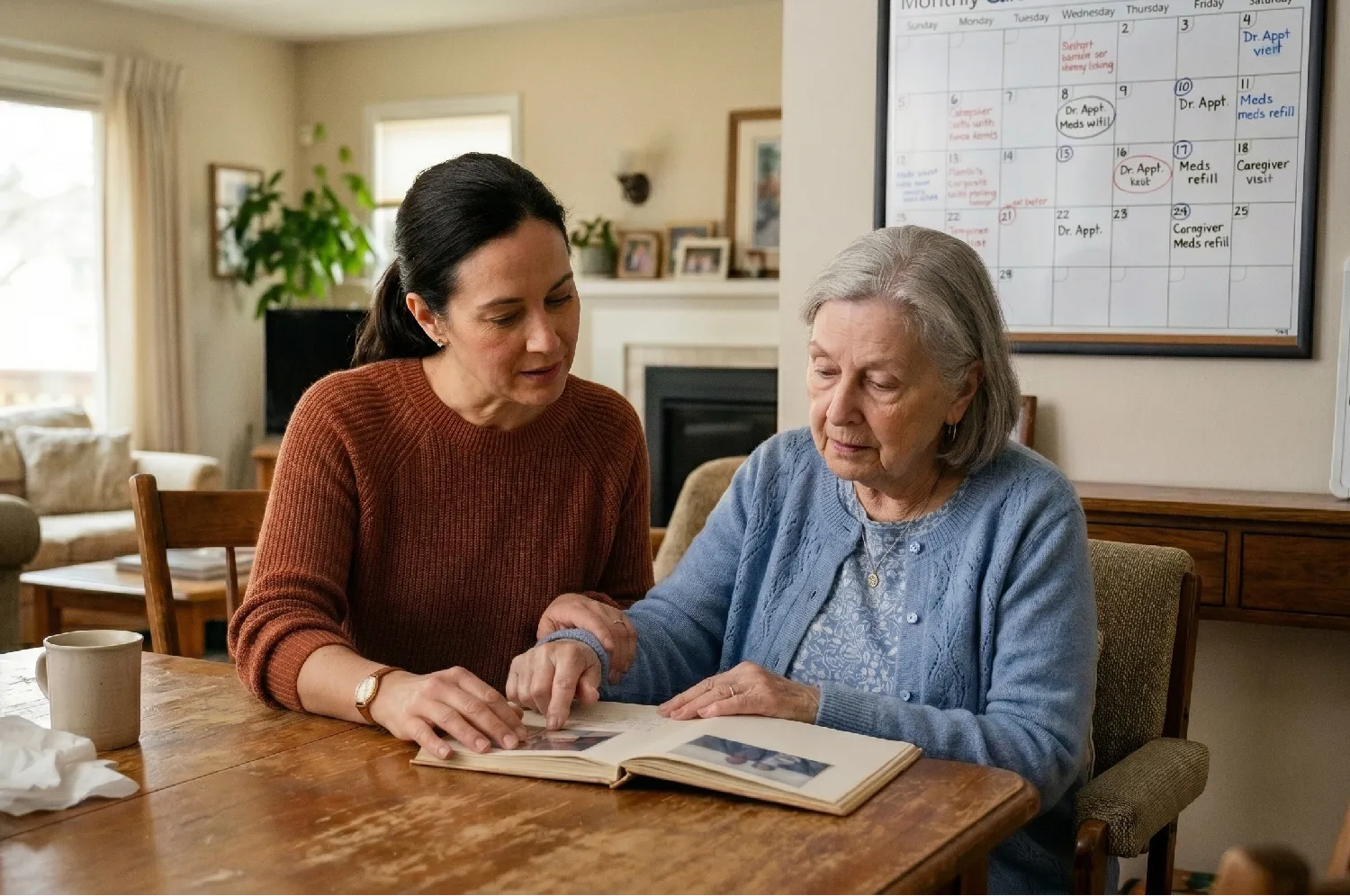
Old photographs are especially helpful. They encourage storytelling and provide a sense of familiarity that newer images may not.
Redefining What a Visit Looks Like
Not every visit needs to involve an activity.
Sometimes the most meaningful moments come from simply being together. Listening to music, sitting outside, or going for a short drive can provide connection without pressure.
Why Visits Still Help if They’re Forgotten
Many caregivers struggle with this question.
Even if a visit isn’t remembered later, it still has value. Familiar faces provide comfort and reduce anxiety in the moment.
Connection is still happening, even without memory.
How You Influence the Visit
Your presence shapes the experience.
A calm, patient approach can regulate the interaction. Stress or distraction can have the opposite effect.
Some caregivers find visiting with another person creates a more balanced and positive dynamic.
Visiting someone with dementia requires a different approach, not a perfect one.
By adjusting expectations, focusing on strengths, and staying present, visits can become more meaningful.
Dementia changes how people connect, but it doesn’t remove the importance of showing up.
Regular visits from friends and family members can reassure and calm aging loved ones who have dementia. Caring for a loved one with dementia can be challenging, but compassionate help is available. If your senior loved one has been diagnosed with a serious condition and needs help with tasks like meal prep, transportation, medication reminders, bathing, and grooming, reach out to Assisting Hands Home Care, a leading provider of Northern Kentucky home care. We also offer comprehensive care for seniors with dementia, Alzheimer’s, and Parkinson’s. We will work with you to create a customized home care plan that’s suited for your loved one’s unique needs. Call the Assisting Hands Home Care team today.
Want to hear more of my dementia advice? To join my monthly Real Talk webinar, register here.