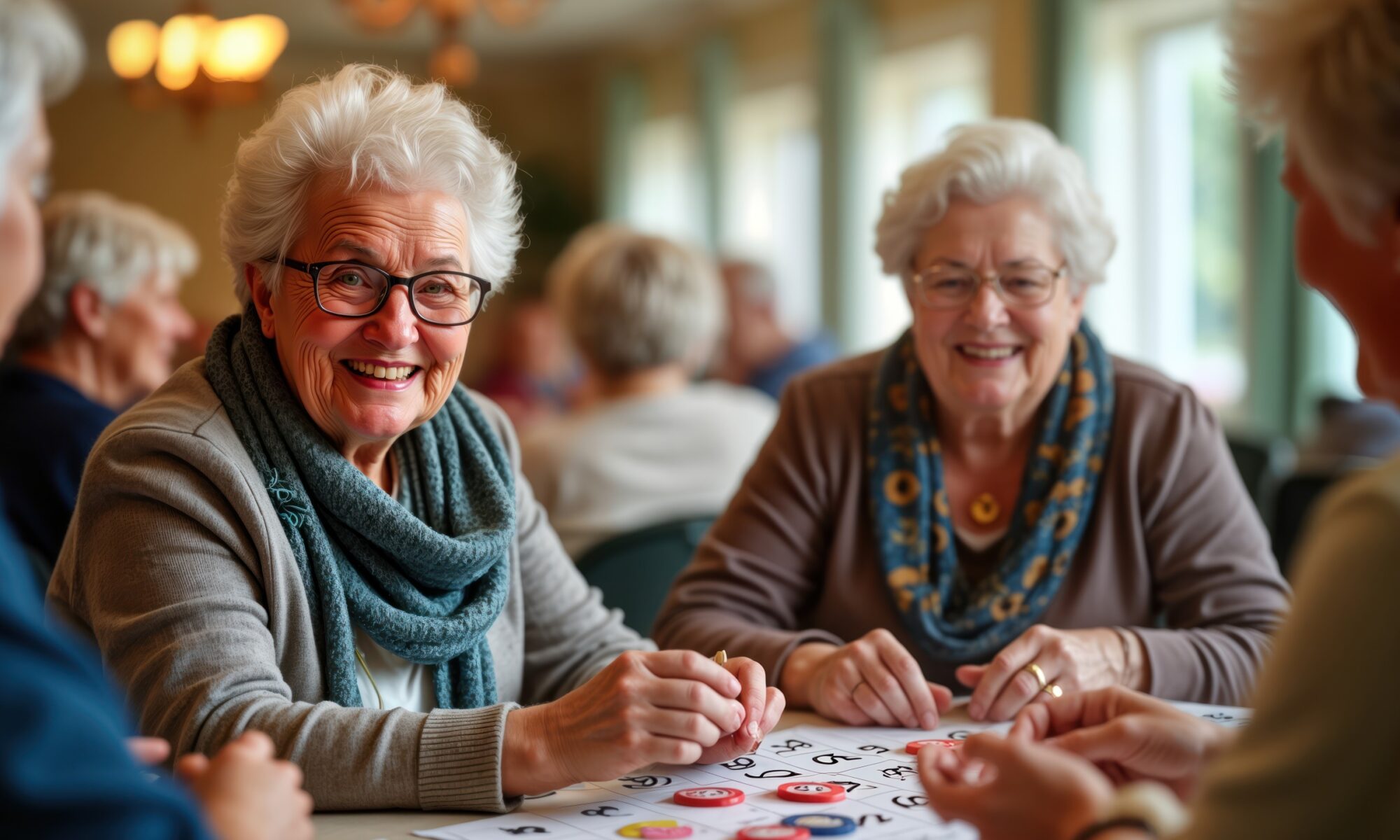
Caregivers can help seniors stay socially connected by facilitating regular communication with family and friends, encouraging participation in community activities, and leveraging technology to bridge physical distances. Social connection is vital for mental and emotional wellbeing, combating loneliness and depression. Here are practical strategies you can implement to keep your senior loved one engaged and connected.
Why Is Social Connection Important for Seniors?
Social interaction plays a critical role in maintaining cognitive function and emotional health as we age. Studies show seniors who maintain strong social ties experience:
- Lower rates of depression and anxiety
- Reduced risk of cognitive decline and dementia
- Increased physical health and longevity
- Enhanced quality of life and sense of purpose
Isolation can lead to serious health consequences, making it essential to prioritize social engagement in your loved one’s care plan.
Respite or overnight care can be a wonderful solution for Northern Kentucky families when their aging loved ones need companionship and socialization a few hours a week or just need minor assistance with daily household tasks or nighttime safety. At Assisting Hands Home Care, we thrive on helping seniors maintain their independence while living in the comfort of home.
How Can Technology Help Seniors Stay Connected?
Technology offers powerful tools to help seniors maintain relationships even when physical visits aren’t possible. Caregivers can:
- Set up video calling platforms like Zoom, FaceTime, or Skype for regular virtual visits with family and friends
- Create social media accounts to help seniors share photos and updates with loved ones
- Introduce tablet devices with simplified interfaces designed for older adults
- Schedule virtual book clubs, classes, or religious services
- Use messaging apps for quick check-ins and photo sharing
Start with simple user-friendly technology and provide patient instruction. Many seniors become comfortable with digital tools once they understand the benefits.
What Community Activities Can Seniors Participate In?
Local communities offer numerous opportunities for seniors to engage with others who share similar interests. Consider these options:
- Senior centers with organized activities, classes, and social events
- Religious or spiritual communities that welcome senior members
- Volunteer opportunities that match your loved one’s skills and interests
- Exercise classes designed for seniors, such as water aerobics or chair yoga
- Library programs, including book clubs and educational lectures
- Arts and crafts groups or hobby clubs
Research local options and accompany your loved one to initial visits to help him or her feel comfortable in new environments.
If your loved one needs transportation to local club meetings and other social events, a home caregiver can be a wonderful asset. The top-rated home care experts from Assisting Hands Home Care are available to provide high-quality care to Northern Kentucky seniors on an as-needed basis. From assistance with mobility and exercise to providing transportation to the doctor’s office and social events, there are a variety of ways professional caregivers can help your aging loved one continue to live independently.
How Can Caregivers Facilitate Regular Family Connections?
Maintaining family bonds requires intentional effort. Caregivers can strengthen these connections by:
- Scheduling regular family visits or phone calls on a consistent schedule
- Organizing family gatherings for holidays and special occasions
- Creating a family photo album or memory book to spark conversations
- Arranging transportation for family events when needed
- Encouraging grandchildren to write letters or create artwork for their grandparent
- Planning intergenerational activities everyone can enjoy
Consistency matters more than frequency. Even brief regular contact helps seniors feel valued and remembered.
What Should Caregivers Do if a Senior Resists Social Activities?
Some seniors may be hesitant to engage socially due to physical limitations, loss of confidence, or depression. When this happens:
- Start small with one-on-one interactions before group settings
- Address physical barriers such as hearing loss or mobility issues
- Respect your loved one’s preferences while gently encouraging participation
- Focus on activities aligned with your loved one’s past interests and hobbies
- Consider whether depression or anxiety requires professional support
- Be patient and celebrate small victories
Remember that forcing social interaction can backfire. Work at your loved one’s pace while continuing to offer opportunities for connection.
Aging in place can present a few unique challenges for older adults experiencing memory issues due to dementia. For trusted and reliable dementia care in Northern Kentucky, families can turn to Assisting Hands Home Care. We are experts in caring for seniors with memory-related conditions, our caregivers are available 24/7, and all of our dementia care programs are backed with a 100% satisfaction guarantee. To create a comprehensive in-home care plan for your loved one, give us a call today.
Frequently Asked Questions
How often should seniors have social interaction?
+
Seniors should ideally have some form of social interaction daily, whether through phone calls, video chats, or in-person visits. Regular engagement helps seniors maintain cognitive function and emotional wellbeing.
What are signs a senior is socially isolated?
+
Warning signs include withdrawal from previously enjoyed activities, changes in mood or appetite, neglecting personal care, and expressing feelings of loneliness or worthlessness. If you notice these signs, increase social engagement and consider consulting a healthcare provider.
Can pets help seniors feel less lonely?
+
Yes, pets can provide companionship and emotional support for seniors. They offer unconditional love, create routines, and can even facilitate social interactions with other pet owners during walks or at dog parks.
How can caregivers balance their own needs while helping seniors stay connected?
+
Establish boundaries, seek respite care when needed, and involve other family members in maintaining your loved one’s social connections. Building a support network prevents caregiver burnout while ensuring consistent social engagement for your loved one.
What if my loved one has memory issues that make socializing difficult?
+
Seniors with memory challenges can still benefit from social connection. Focus on familiar faces, shorter visits, music or photo-based activities, and structured routines. Adult day programs specializing in memory care can also provide supervised social opportunities.