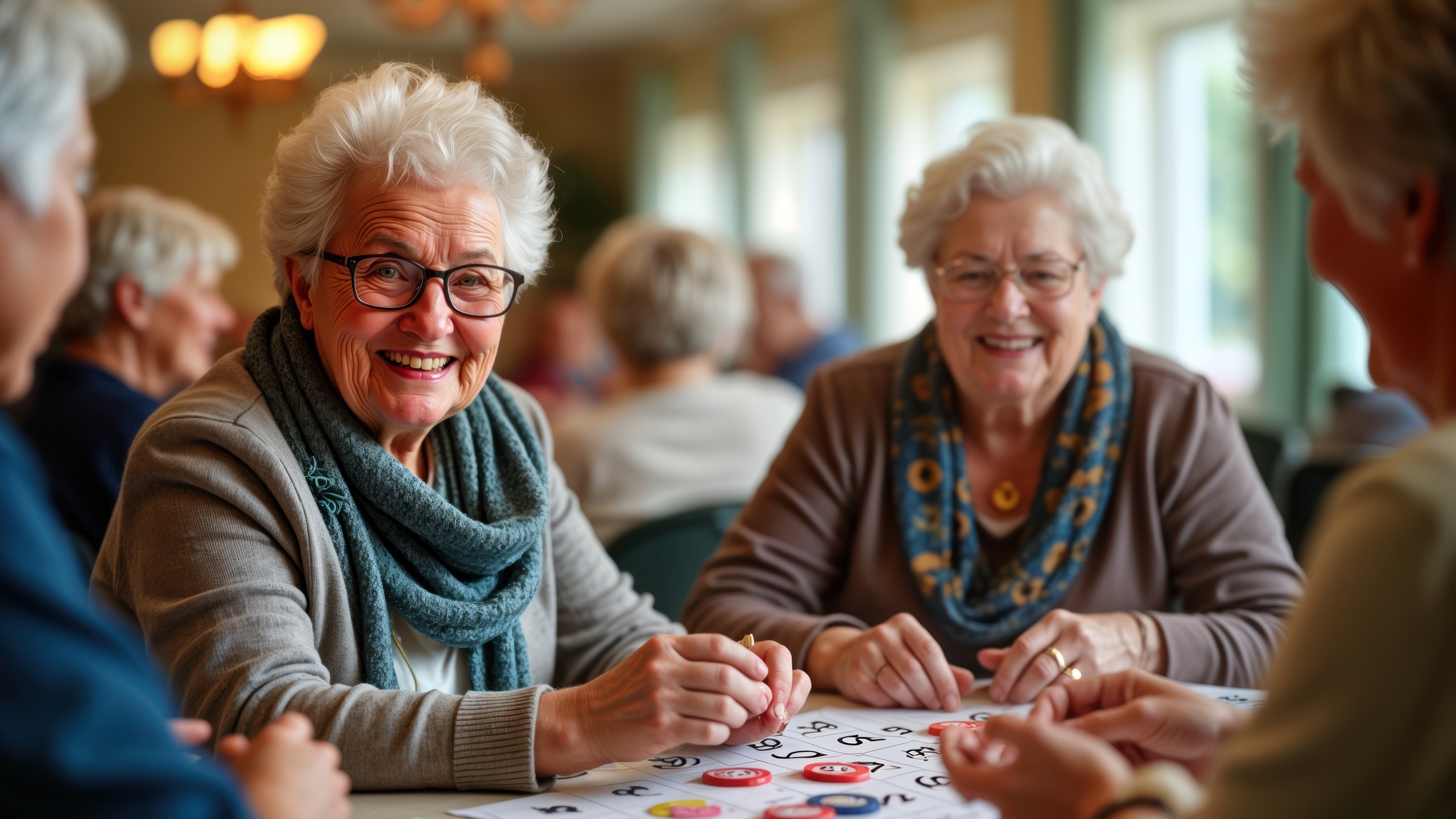
Seniors experience negative emotions for a variety of reasons, and when those feelings aren’t addressed, daily life is often more challenging for older adults and their caregivers. In some instances, emotional problems can cause serious medical conditions. Below you’ll find tips to address your senior loved one’s emotional health issues and ways to boost his or her quality of life.
Give Praise
Seniors often rely on others for assistance and feel less than useful, which takes a toll on their emotional health. The inability to complete tasks without help or the need to have everyday activities simplified could make your loved one feel less worthy. However, giving your parent praise as often as possible could boost his or her self-esteem.
Regardless of how small a victory is, it could help if you celebrate the accomplishment. Now and then, it might be beneficial to take your loved one out for a celebratory dinner or host a family event in his or her honor, but simply offering verbal praise throughout the week could be enough to address his or her emotional issues.
Listen
Going through difficult times is typical for people of all ages, including older adults. As they continue to age, seniors experience health problems, the loss of loved ones, and financial issues that impact their overall wellbeing. Simply listening to your loved one vent about these issues could be precisely what he or she needs to reduce stress, stave off depression, and enhance his or her emotional health.
When listening to your parent, don’t interrupt. Allowing your loved one to speak about the issues could ease the emotional and physical distress each problem causes. If your loved one wants you to comment, he or she will let you know. Otherwise, listen and offer nonverbal cues of reassurance, such as a smile, a pat on the back, or a nod.
A compassionate home caregiver can offer your loved one an understanding ear and the respect he or she needs to alleviate stress and boost emotional health. If you’re the primary caregiver for a senior family member and are looking for professional at-home care, Assisting Hands Home Care should be your top choice. Our dedicated and compassionate caregivers are committed to helping older adults address their health issues and enjoy a higher quality of life in the golden years.
Learn about Alternative Treatments
Seniors living with health disorders are generally prescribed medications to treat the conditions and alleviate symptoms. These medicines aren’t always helpful, and they could cause emotional issues to worsen.
Speak with your loved one’s medical provider if the treatment isn’t working. The doctor could lower or increase the dosage or switch to another medication. If your loved one’s medicine works but causes emotional side effects, the doctor may try another treatment or choose a non-prescription approach.
Emotional wellbeing and physical health are closely related, and older adults need to focus on both to maintain a high quality of life as they age. If your senior loved one needs assistance at home, the Northern Kentucky, home care services professionals at Assisting Hands Home Care are here to help. Our caregivers promote longevity by encouraging seniors to focus on healthy eating, regular exercise, mental engagement, and other important lifestyle factors.
Help Your Loved One Use Stress Management Techniques
Being diagnosed with dementia or Alzheimer’s, losing spouses and friends, and watching their physical and cognitive health decrease can increase emotional stress for seniors. Instead of watching your loved one’s anxiety levels rise and his or her health decrease rapidly, find a way to motivate him or her.
Developing stress management techniques can give your loved one hope and encourage him or her to keep going despite any current limitations. Some positive strategies include building a support system, simplifying daily tasks, and taking up fun hobbies. When your loved one is down and stressed, he or she can turn to these positive strategies to boost his or her mood and handle emotional stress.
In Northern Kentucky, in-home care agencies can be a great boon to seniors. With the help of the caregivers at Assisting Hands Home Care of Northern Kentucky, your aging loved one can lead a happier and healthier life. Our caregivers encourage seniors to eat nutritious foods, exercise and socialize regularly, and focus on other lifestyle factors that increase life expectancy. To create a customized care plan for your loved one, call us at (859) 328-2656 today.