Diabetes management can be particularly challenging for seniors, as it requires a combination of consistent blood sugar monitoring, healthy eating, physical activity, and medication adherence. Home care services play an essential role in making this process more manageable, providing seniors with the personalized support and assistance they need to maintain their health and quality of life.

Personalized Diabetes Management Plans
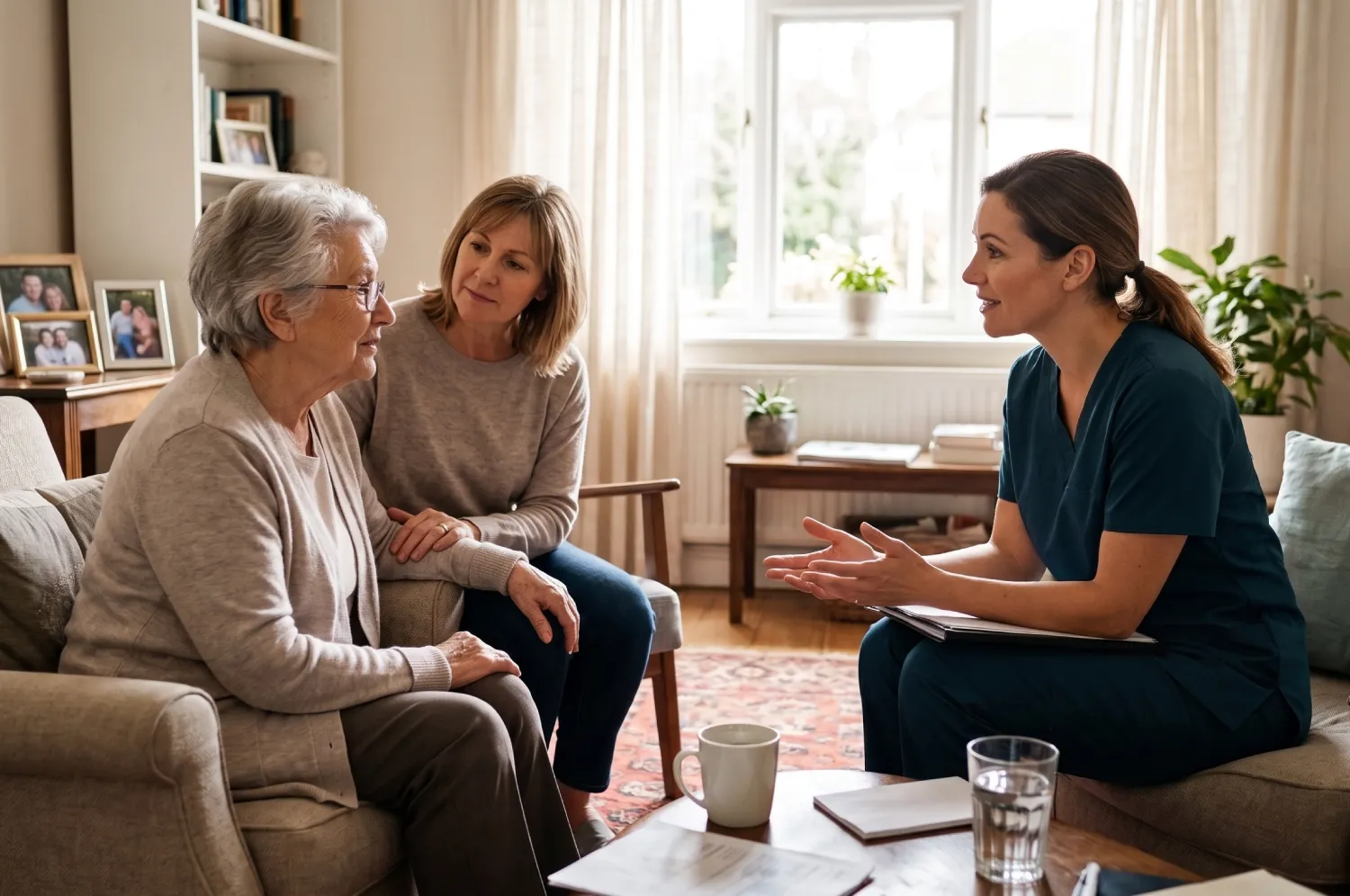
One of the major benefits of home care is its ability to create personalized diabetes care plans tailored to each senior’s unique needs. Home care professionals, such as registered nurses and caregivers, work closely with seniors and their healthcare providers to develop strategies for monitoring blood sugar levels, regulating insulin, and implementing lifestyle changes.
For instance, professionals may help seniors set reminders for glucose checks or ensure insulin is taken at the correct times. By offering guidance specific to the individual, these customized plans make it easier for seniors to stay on track with their diabetes management goals.
Seniors can reduce their risk of developing diabetes by making healthy lifestyle choices. Not every senior has the same care needs, which means they don’t all need the same type of home care. Northern Kentucky families can rely on Assisting Hands Home Care to provide individualized care plans to meet their elderly loved ones’ unique care needs. Our caregivers help seniors focus on healthy lifestyle habits such as eating nutritious foods, exercising regularly, and maintaining strong social ties, and we offer mentally stimulating activities that can boost cognitive health and delay the onset of dementia.
Nutritional Support and Meal Preparation
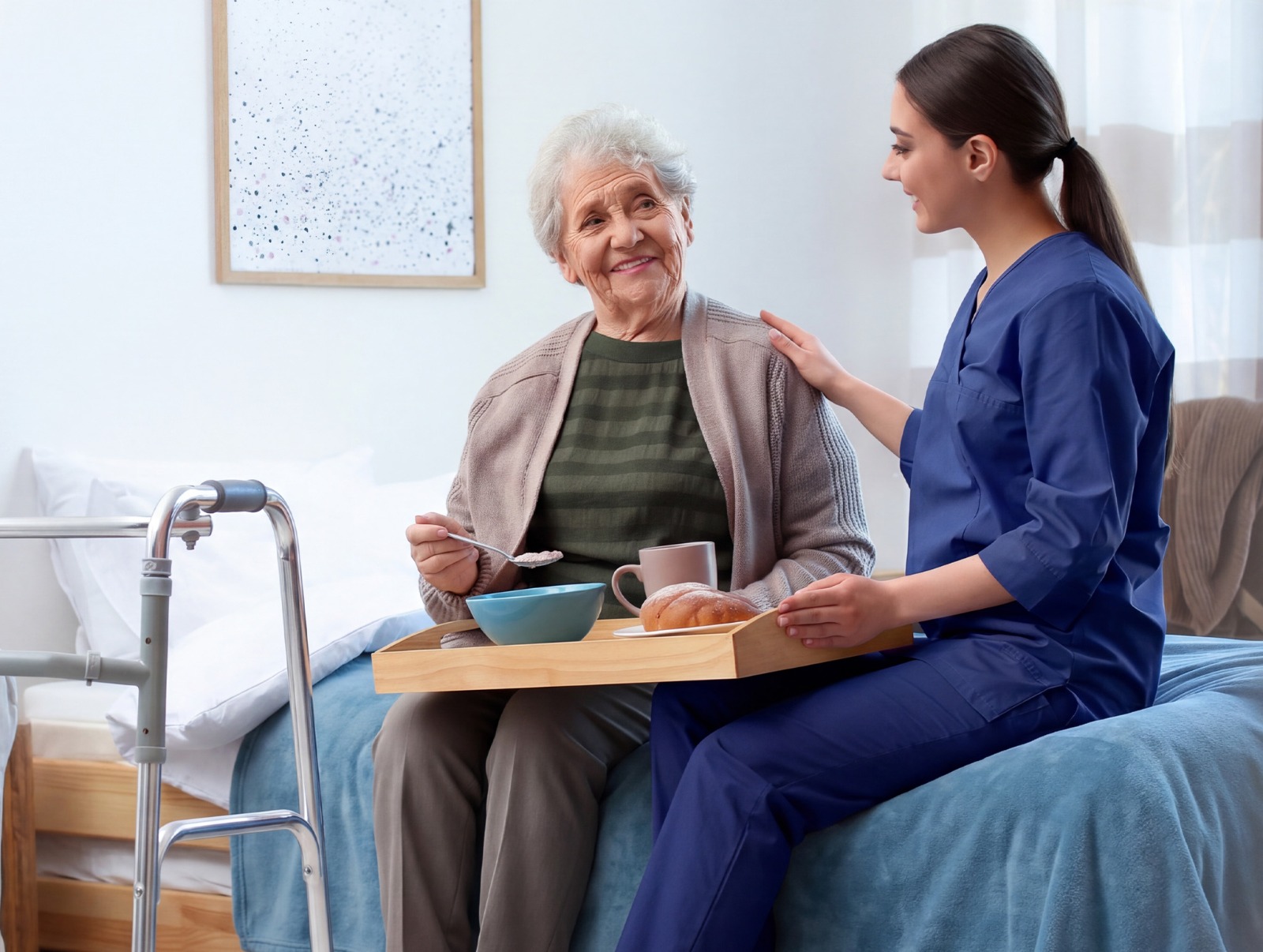
A balanced and nutritious diet is critical for diabetes management. Home care providers often assist seniors with meal planning and preparation to ensure they’re consuming meals that align with their dietary needs. These caregivers are trained to consider factors like carbohydrate counts, portion control, and glycemic index when preparing meals.
For example, a caregiver might work with a dietitian to create well-structured meal plans and then prepare these meals, ensuring they meet the senior’s medical requirements. This level of support not only regulates blood sugar but also reduces the stress of meal planning for seniors.
Medication Monitoring and Organization
Many seniors face challenges remembering to take their medications on time or in the right doses, which can lead to complications in diabetes management. Home care services can provide vital assistance in this area by ensuring medications are adhered to as prescribed.
Caregivers might set up practical tools such as medication reminder systems or assist with pill organization through weekly planners or blister packs. This oversight reduces the likelihood of missed doses and can prevent potentially dangerous situations, like taking too much or too little insulin.
Encouraging Physical Activity
Regular physical activity can help seniors manage their diabetes by enhancing insulin sensitivity and controlling blood sugar levels. However, some seniors may be unable to stay active due to physical limitations or lack of motivation. Home care providers can encourage and facilitate safe and appropriate exercises to boost overall health.
For instance, caregivers might accompany seniors on daily walks, guide them in chair-based exercises, or help them participate in low-impact activities like yoga or tai chi. This not only supports diabetes management but also enhances mobility and independence for seniors.
Seniors who need help with exercise or other tasks should consider professional in-home care. Whether your elderly loved one needs part-time assistance with basic household chores or you need a break from your caregiving duties, the Northern Kentucky respite care experts at Assisting Hands Home Care are here to help. All of our home care services are backed with a 100% satisfaction guarantee, there are no hidden fees in our contracts, and we never ask our clients to sign long-term contracts.
Emotional and Educational Support
Living with diabetes can be overwhelming, and seniors often feel isolated or stressed as they face the challenges of managing the condition. Home care professionals provide emotional support by fostering connections and offering companionship. Additionally, they can educate seniors about diabetes and how to manage it effectively.
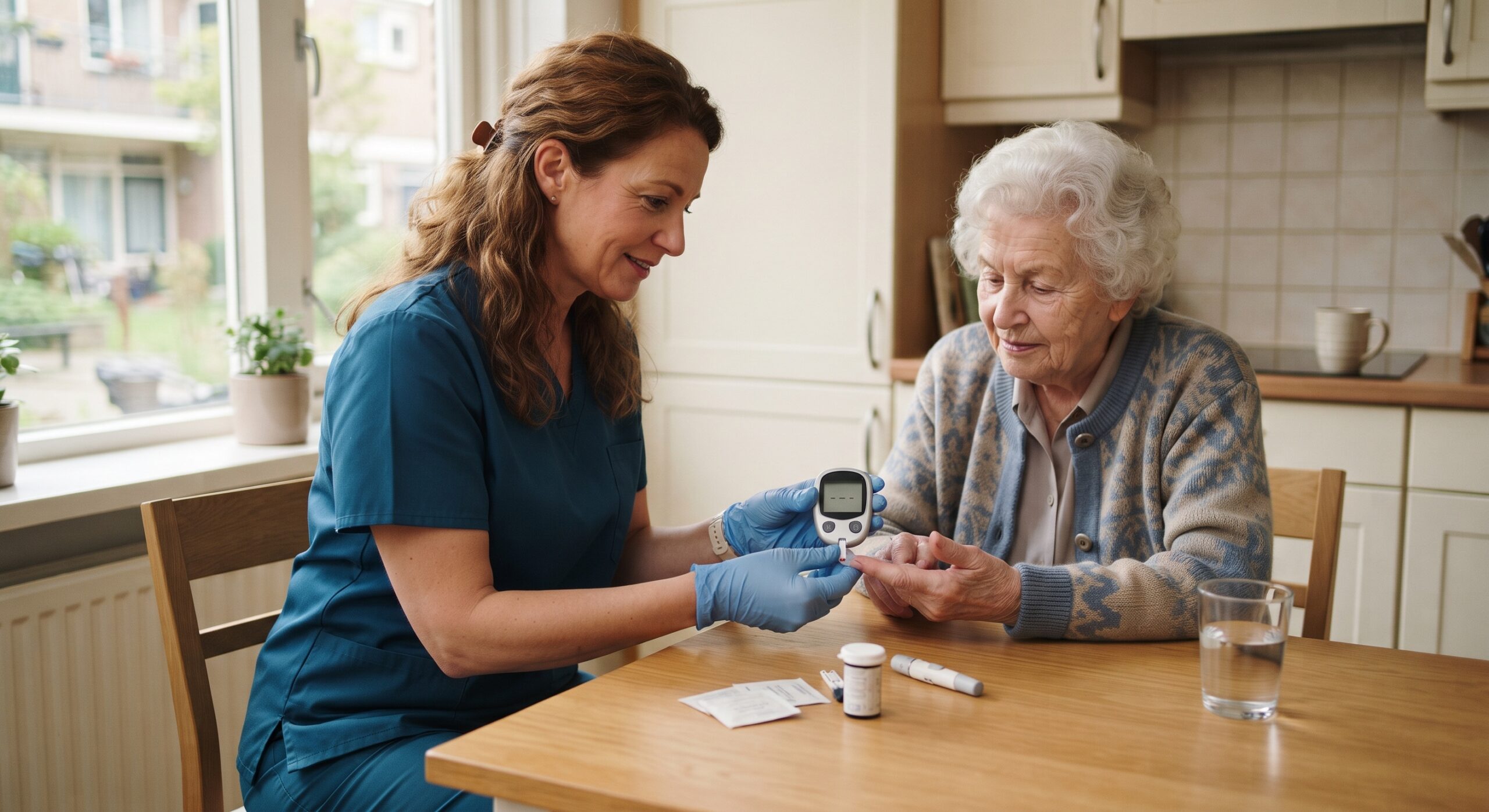
From answering questions about dietary restrictions to teaching seniors how to use blood glucose monitors, caregivers ensure seniors feel informed and empowered in their healthcare decisions. This focus on education and emotional support can significantly boost mental wellbeing, which is a crucial component of managing chronic conditions like diabetes.
Diabetes is a serious health issue, which is why seniors living with this disease can benefit from professional in-home care. Elder care providers can benefit aging adults in a variety of ways. From cooking nutritious meals to offering timely medication reminders, the dedicated caregivers at Assisting Hands Home Care of Northern Kentucky are available to help your elderly loved one 24 hours a day, 7 days a week. Reach out to us if you need compassionate professional care for your loved one. Call one of our dedicated Care Managers today to learn about the high quality of our in-home care services.