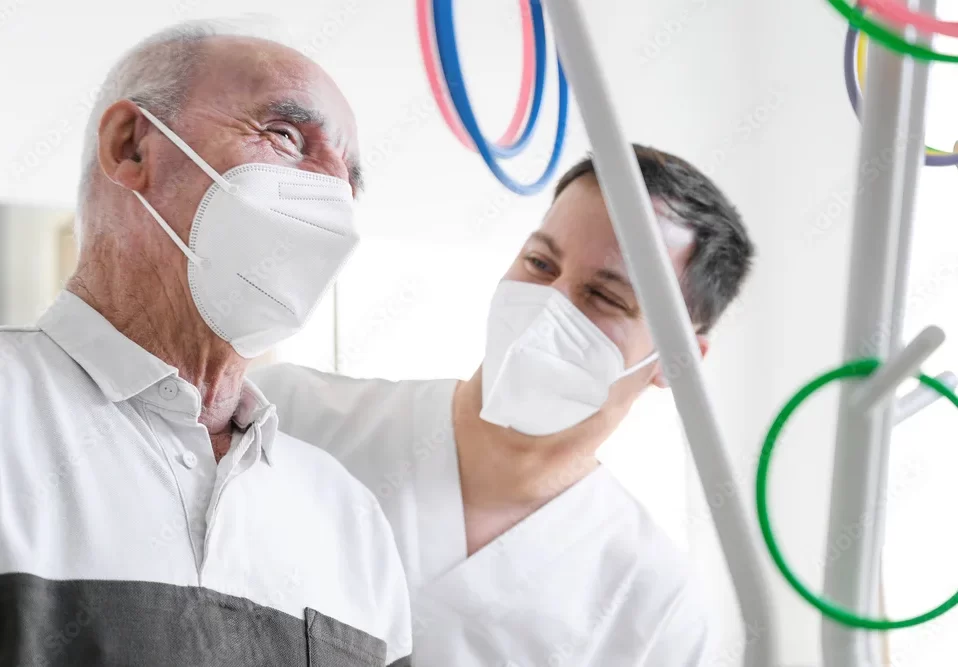
The days following surgery are often more challenging than people expect. Even routine procedures can leave individuals feeling weak, disoriented, or unsure about how to manage daily tasks safely. Recovery isn’t only about healing the body but also about regaining confidence, comfort, and independence at home. Having the right support during this period can make a noticeable difference in how smoothly and safely recovery progresses.
Understanding Post-Surgery Recovery Needs at Home
After surgery, recovery needs vary based on age, procedure type, and overall health. Many families explore home care to bridge the gap between hospital discharge and full independence. Post-surgical recovery often involves pain management, mobility support, wound care awareness, and help with everyday activities. Seniors and younger adults alike may experience fatigue, limited range of motion, or temporary cognitive effects from anesthesia. Structured support at home can reduce complications, lower hospital readmission risk, and provide reassurance during a vulnerable stage of healing.
Short-Term Support for Daily Activities
In the early stages of recovery, even small tasks like preparing meals or moving safely around the house can feel overwhelming. This is where hourly care becomes especially helpful. Scheduled assistance allows individuals to receive help only when they need it, such as mornings or evenings. Caregivers can assist with bathing, dressing, light mobility, and reminders for hydration or rest. This flexible approach supports independence while ensuring safety, making it ideal for those recovering from minor to moderate surgical procedures.
Continuous Support for Limited Mobility Recovery
Some surgeries require longer recovery periods and more consistent assistance. Individuals with restricted mobility or higher fall risk often benefit from live-in care during recovery. Having continuous support ensures help is always available for transfers, bathroom use, or sudden discomfort. This level of care also provides peace of mind for families, knowing their loved one isn’t alone. Live-in support establishes routines, encourages proper rest, and promotes gradual return to daily activities without rushing the healing process.
Common Post-Surgery Home Care Needs
| Recovery Need | Type of Support Required | Typical Duration |
| Mobility assistance | Walking and transfer support | 1 – 6 weeks |
| Personal care | Bathing and dressing help | 1 – 4 weeks |
| Medication reminders | Schedule and dosage support | Ongoing |
| Safety monitoring | Fall and complication prevention | Short to long term |
Around-the-Clock Care for Complex Recoveries
More complex surgeries, such as joint replacements or abdominal procedures, may require constant supervision. 24-hour care ensures uninterrupted support, especially during the first critical weeks. Continuous care helps caregivers manage their clients’ nighttime needs, monitor pain levels, and respond quickly to discomfort or complications. This approach is often recommended when seniors live alone, have multiple health conditions, or require close observation to prevent setbacks during recovery.
Supporting Physical Recovery and Mobility Progress
Movement is an essential part of post-surgery healing, but it must be done carefully. Gentle activity can prevent stiffness, increase circulation, and reduce complications such as blood clots. Caregivers can assist with safe movement and encourage adherence to physical therapy instructions. Structured daily routines promote gradual progress while preventing overexertion. Emotional encouragement also plays a key role, as fear of pain or falling can slow recovery if not addressed patiently.
- Encourage short, supervised walks.
- Follow physician-approved movement guidelines.
- Use mobility aids correctly.
- Allow rest between activities.
- Track improvements to stay motivated.
Nutrition, Medication, and Recovery Monitoring
Nutrition and medication adherence are often overlooked but vital components of recovery. Balanced meals support tissue repair and energy levels, while timely medication reduces pain and inflammation. Caregivers can organize schedules, monitor side effects, and ensure instructions are followed correctly. Consistent monitoring allows early detection of warning signs such as swelling, fever, or unusual discomfort, helping families address concerns before they escalate.
Choosing the Right Level of Support
Selecting the appropriate care option after surgery depends on recovery goals, health status, and home environment. Some individuals need minimal assistance for a short time, while others benefit from ongoing support. Understanding available care types allows families to make informed decisions that prioritize safety, comfort, and healing. The right level of support not only speeds recovery but also reduces stress for both seniors and their loved ones.