In-home care for seniors with advanced diabetes involves daily blood sugar monitoring, careful meal planning, medication organization, foot care, and emotional support—all coordinated to help older adults maintain safety and quality of life at home.
Managing advanced diabetes at home is challenging, but with the right routines and support systems in place, seniors can live comfortably and safely. This guide covers the key pillars of effective in-home diabetes care for older adults.
How Can You Monitor Blood Sugar Effectively at Home?
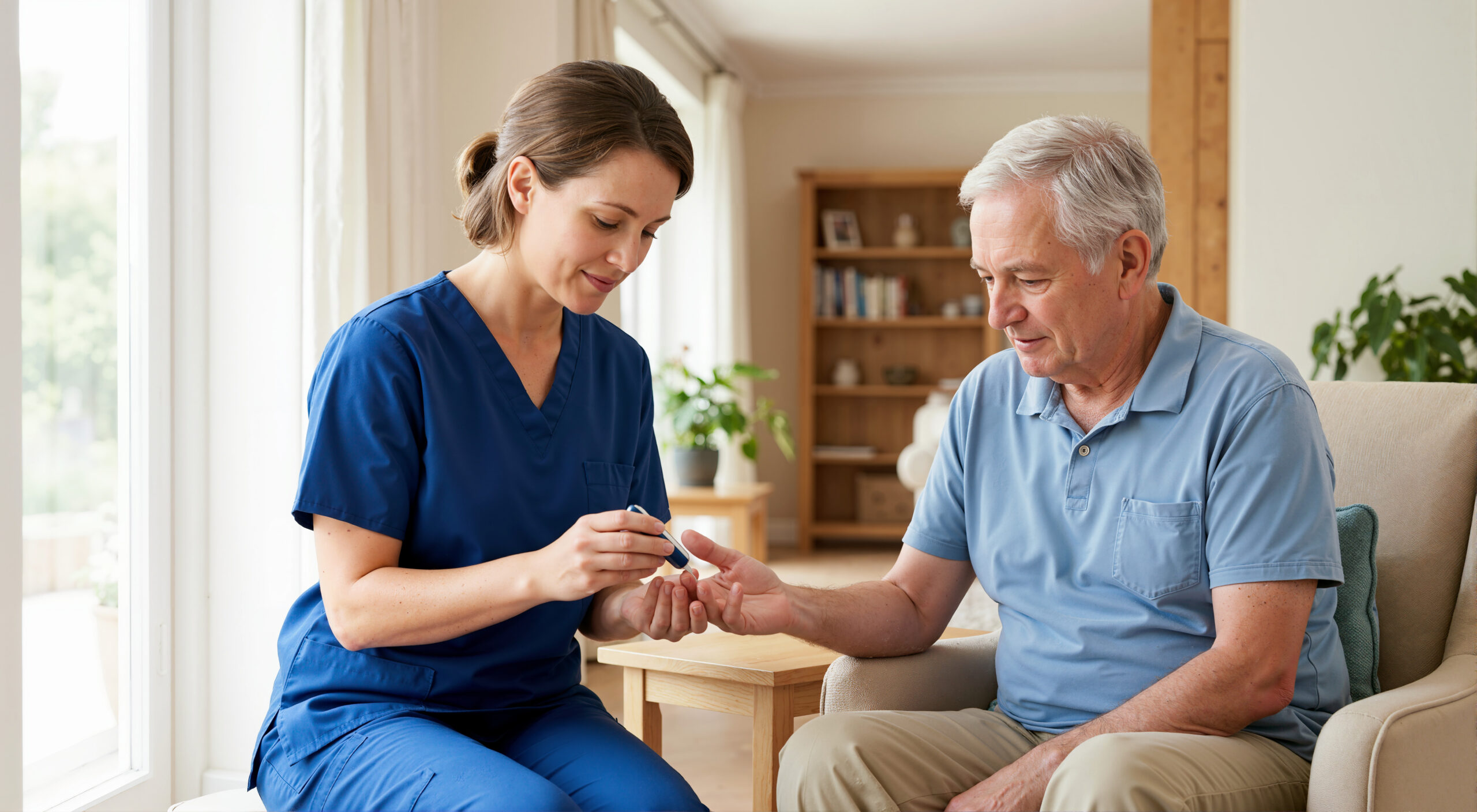
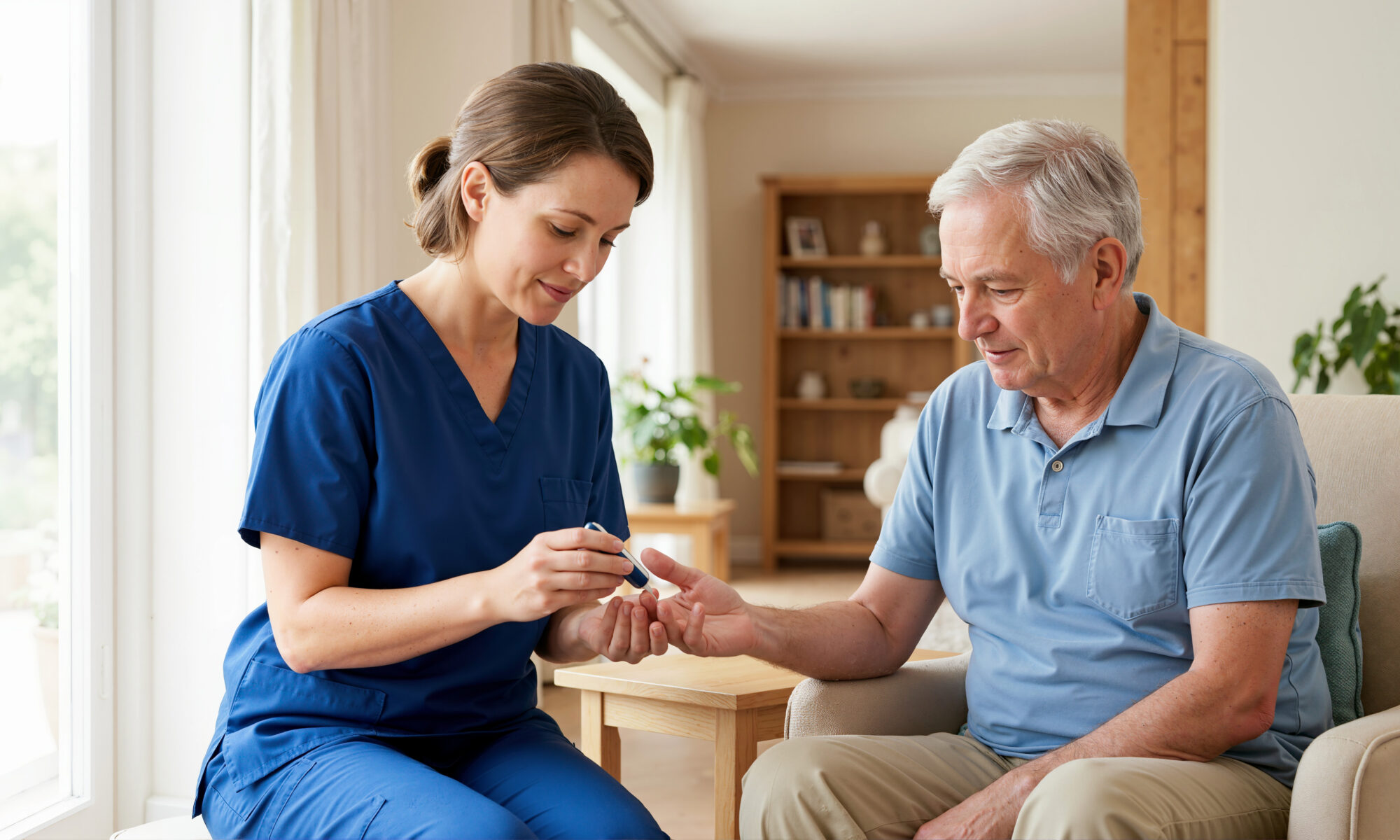
Consistent blood sugar monitoring is the foundation of managing advanced diabetes. Here’s how to stay on top of it:
- Check blood glucose levels at the same times each day, typically before meals and at bedtime.
- Use a continuous glucose monitor (CGM) for real-time tracking if frequent finger sticks are difficult.
- Keep a log of readings to identify patterns and share with the care team.
- Know the warning signs of hypoglycemia (shakiness, confusion, sweating) and hyperglycemia (increased thirst, fatigue, blurred vision).
Living with serious health conditions can make it challenging for seniors to age in place. However, they can maintain a higher quality of life with the help of professional Northern Kentucky 24-hour care. Seniors can benefit from assistance with meal prep, bathing, transportation to the doctor’s office, medication reminders, and much more.
What Does a Diabetes-Friendly Meal Plan Look Like for Seniors?
Nutrition plays a critical role in blood sugar control. A well-structured meal plan for seniors with advanced diabetes should include:
- Consistent meal timing to prevent blood sugar spikes and crashes
- Balanced portions of non-starchy vegetables, lean proteins, and whole grains
- Limiting refined sugars, processed foods, and high-sodium items
- Small frequent meals rather than large infrequent ones
- Adequate hydration throughout the day, as dehydration can worsen blood sugar levels
If your elderly loved one needs help maintaining a high quality of life while aging in place, reach out to Assisting Hands Home Care, a trusted provider of Northern Kentucky home care service. Our caregivers provide meaningful companionship, transportation to and from medical appointments and social events, nutritious meal preparation, assistance with daily exercise, and help with everyday tasks like bathing, grooming, and light housekeeping.
How Should Medications Be Handled at Home?
Advanced diabetes often requires multiple medications, making organization and consistency essential:
- Use a pill organizer or medication organization app to track daily doses.
- Store insulin and other medications according to label instructions (many require refrigeration).
- Never skip or adjust doses without guidance from the care team.
- Keep an updated medication list on hand, including dosages and timing.
- Dispose of used syringes and lancets safely using a proper sharps container.
Why Is Foot Care So Important for Seniors with Advanced Diabetes?
Diabetes-related nerve damage (neuropathy) reduces sensation in the feet, making injuries easy to miss and slow to heal. Daily foot care can prevent serious complications:
- Inspect feet every day for cuts, blisters, redness, or swelling.
- Wash feet gently with warm (not hot) water and dry thoroughly, especially between toes.
- Apply moisturizer to prevent dry, cracked skin, but avoid applying between toes.
- Wear well-fitting protective footwear at all times, even indoors.
- Trim toenails straight across to avoid ingrown nails.
How Can You Support the Emotional Wellbeing of a Senior with Advanced Diabetes?
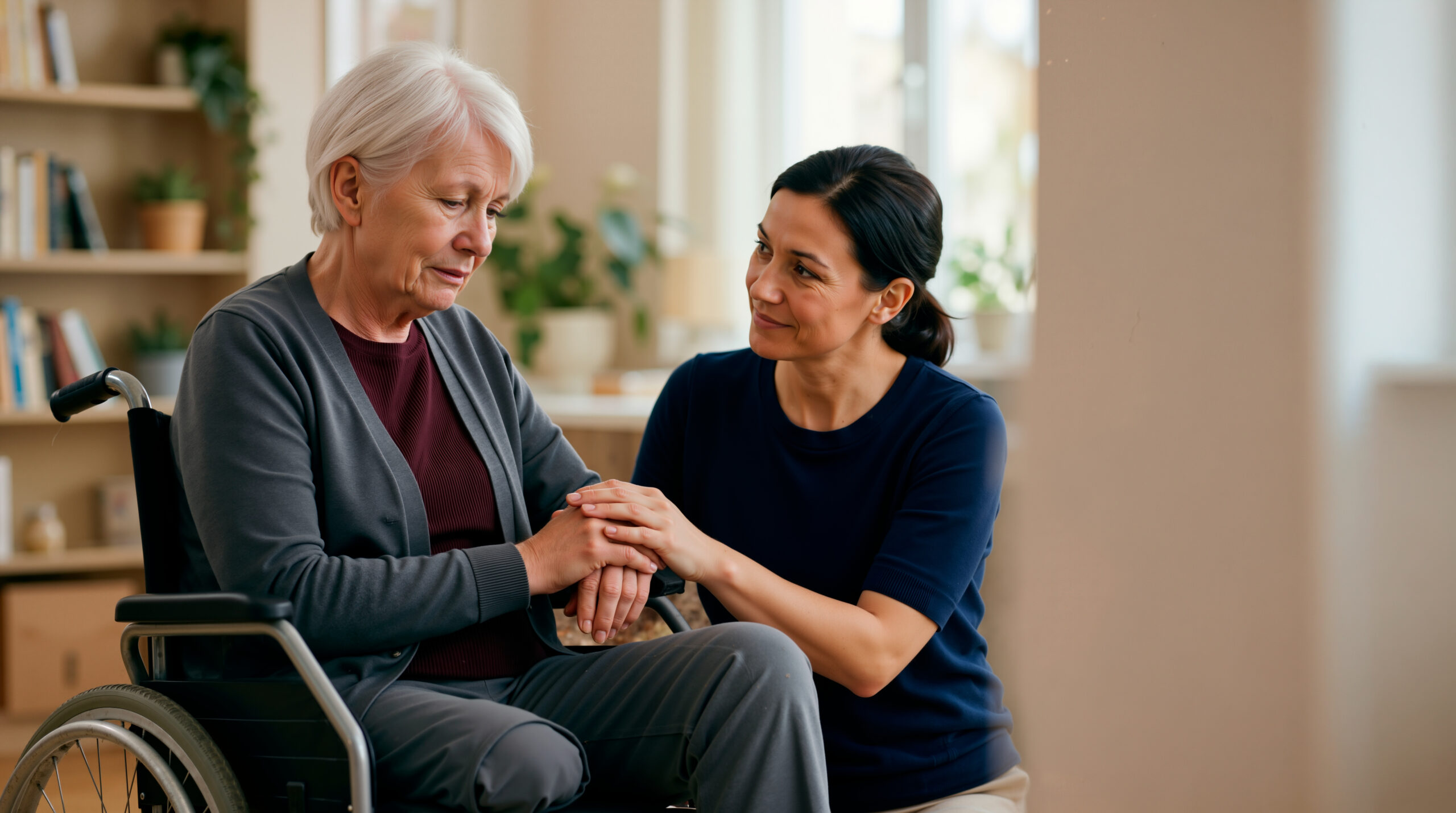
Living with advanced diabetes can take a significant emotional toll. Supporting mental and emotional health is just as important as physical care:
- Maintain social connections through regular visits, phone calls, or video chats.
- Encourage participation in hobbies and light physical activity appropriate for your loved one’s ability level.
- Watch for signs of diabetes distress or depression, such as withdrawal, irritability, or loss of appetite.
- Create a structured daily routine to provide a sense of stability and control.
- Celebrate small wins—stable glucose readings, completing a meal plan, or staying active.
Families who find it difficult to care for their aging loved ones without assistance can benefit greatly from professional respite and overnight care Northern Kentucky seniors can rely on. Family caregivers who need a break from their caregiving duties can turn to Assisting Hands Home Care. Our caregivers can encourage your loved one to eat well, exercise regularly, get plenty of mental and social stimulation, and focus on other lifestyle factors that promote longevity. Reach out to us at Assisting Hands Home Care if you need compassionate professional care for your loved one. Call one of our friendly Care Managers today.
Frequently Asked Questions
What are the most common complications of advanced diabetes in seniors?
+
Advanced diabetes in older adults is commonly associated with neuropathy, kidney disease, vision problems, and an increased risk of infections, particularly in the feet and lower limbs.
How often should seniors with advanced diabetes have their blood sugar checked?
+
Most seniors with advanced diabetes benefit from checking blood sugar multiple times per day, though the ideal frequency depends on your loved one’s treatment plan and glucose stability.
Is physical activity safe for seniors with advanced diabetes?
+
Yes, light to moderate physical activity—such as walking or gentle stretching—can address insulin sensitivity and overall wellbeing, as long as it’s appropriate for your loved one’s physical condition.
What foods should seniors with advanced diabetes avoid?
+
Seniors with advanced diabetes should generally limit sugary beverages, white bread, processed snacks, fried foods, and high-sodium items, as these can cause rapid blood sugar fluctuations.
How can caregivers prevent hypoglycemic episodes at home?
+
Caregivers can reduce the risk of hypoglycemia by ensuring meals and medications are timed consistently, keeping fast-acting glucose sources (like juice or glucose tablets) readily available, and recognizing early warning signs.