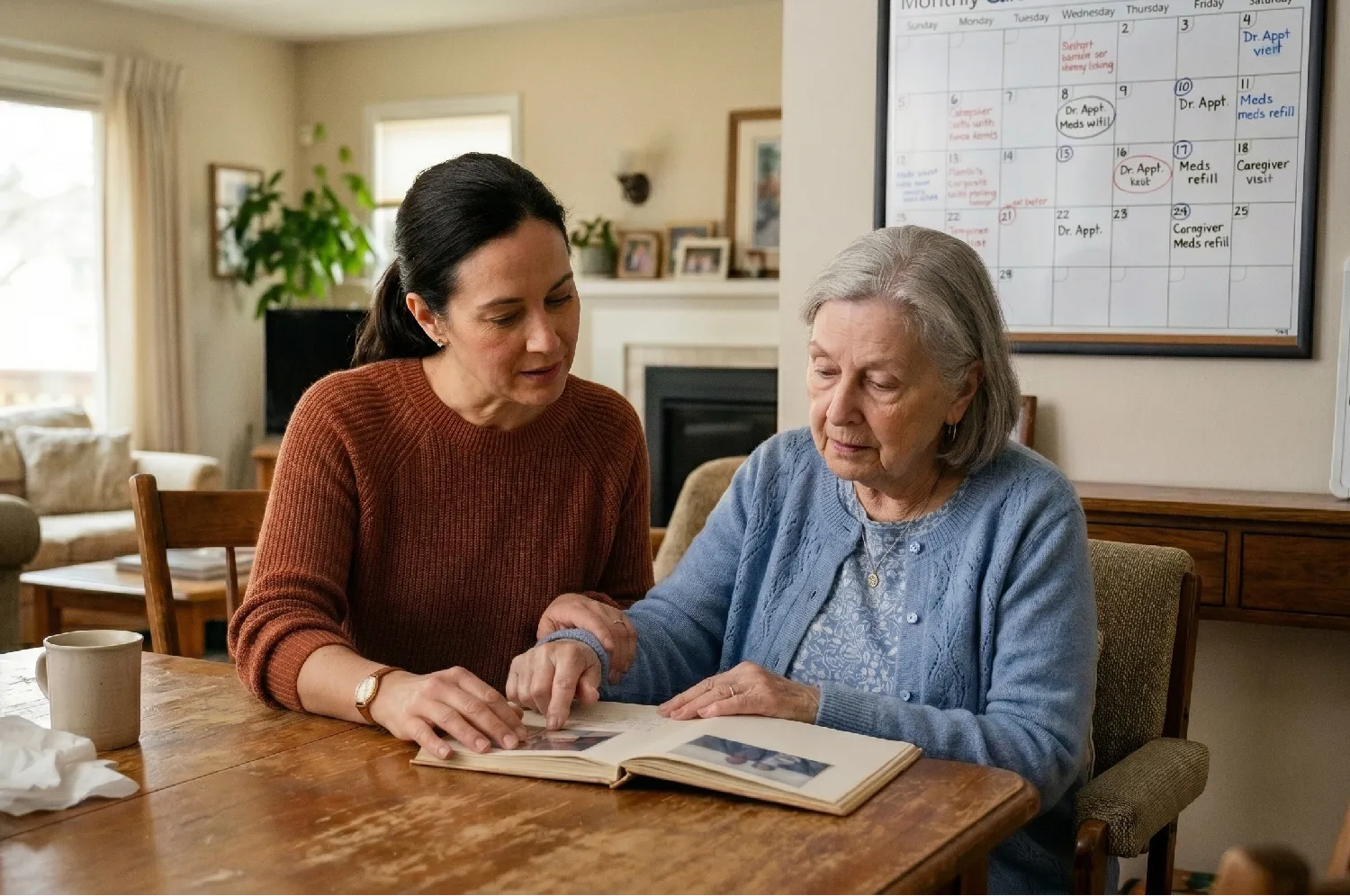
Deciding on the best care for an aging loved one involves many emotional and financial considerations. Understanding the costs associated with different options, such as in-home care and assisted living, is a crucial first step. This guide breaks down the typical expenses for each to help you make an informed decision for your family.
Understanding In-Home Care Costs
In-home care allows seniors to receive support in the comfort of their own homes. Costs are typically billed on an hourly basis and can vary significantly based on the level of care required and your geographic location.
There are generally two types of in-home care services:
- Homemaker or companion services – This includes assistance with daily activities like meal preparation, light housekeeping, transportation, and companionship.
- Home care services – This level of care provides personal assistance with bathing, dressing, and other hands-on needs.
The national median cost for both homemaker services and home care is around $30 per hour. If 24/7 care is needed, these costs can quickly add up, often exceeding the monthly expense of an assisted living facility.
Whether you need respite from your caregiving duties or your aging loved one needs live-in care, Assisting Hands Home Care Northern Kentucky can meet your family’s care needs. Our dedicated caregivers are available around the clock to provide transportation to doctor’s appointments, ensure seniors take their prescribed medications, and help with a variety of tasks in and outside the home.
Breaking Down Assisted Living Costs
Assisted living communities are designed for seniors who need some daily assistance but don’t require intensive medical care. The cost is usually a monthly fee that covers housing, meals, and a range of supportive services. The national median cost for a private one-bedroom unit in an assisted living facility is approximately $5,000 per month.
This monthly fee typically includes:
- Apartment-style living with a private bathroom and kitchenette
- Three meals per day served in a communal dining room
- Housekeeping and laundry services
- Social and recreational activities
- Access to staff for assistance with daily living activities
Additional fees may apply for specialized services, such as medication organization or memory care.
Seniors who need memory care due to Alzheimer’s or other forms of dementia can continue to live at home with the help of trained caregivers. Aging in place can present a few challenges for seniors living with dementia. However, with professional dementia care that offers Northern Kentucky families peace of mind, they can still live independently at home. Families can rely on Assisting Hands Home Care to provide their elderly loved ones with mental and social stimulation, timely medication reminders, assistance with meal prep, and much more. Our caregivers are available around the clock to help your loved one live a happier and healthier life.
Comparing Financial Models
The primary financial difference between in-home care and assisted living lies in how you pay. In-home care is a variable expense that fluctuates based on the number of hours of care needed. This can be beneficial if your loved one only requires a few hours of support each week.
Assisted living, on the other hand, offers a more predictable, all-inclusive monthly cost. This can make budgeting easier, as it bundles housing, food, utilities, and care into a single payment. For individuals requiring significant daily support, assisted living often becomes the more cost-effective option.
Additional Factors to Consider
Beyond the base price, several other financial factors can influence your decision:
- Homeownership costs – If choosing in-home care, you must continue to pay for the mortgage or rent, property taxes, utilities, and home maintenance. These costs are included in the monthly fee for assisted living.
- Level of care – As care needs increase, the hours of in-home care may rise, leading to higher costs. In assisted living, a higher level of care might mean moving to a different pricing tier, but the increase is often more predictable.
- Social and emotional wellbeing – While not a direct monetary cost, isolation can impact a senior’s health. Assisted living communities provide built-in social opportunities, which may reduce the need for separate companion care.
Many seniors prefer aging in place over moving to assisted living facilities. If your senior loved one needs assistance to remain safe and comfortable while living at home, reach out to Assisting Hands Home Care, a leading provider of homecare Northern Kentucky families can trust. Our dedicated in-home caregivers can assist with meal prep, bathing and grooming, exercise, medication reminders, and many other important tasks. For reliable in-home care services, contact us today.