As adults age, their risk of stroke increases. The post-stroke period is vital because, without proper care, the odds of a second stroke or other serious problems arise, which is why your senior loved one needs to receive the best care after he or she returns home from the hospital.
There are steps family caregivers should focus on, including recommendations from physicians and other medical professionals. With a proper stroke care plan in place, the survival rate increases and your loved one’s mental and physical wellbeing may be strengthened. Here are a few things that may help.
Managing Medication
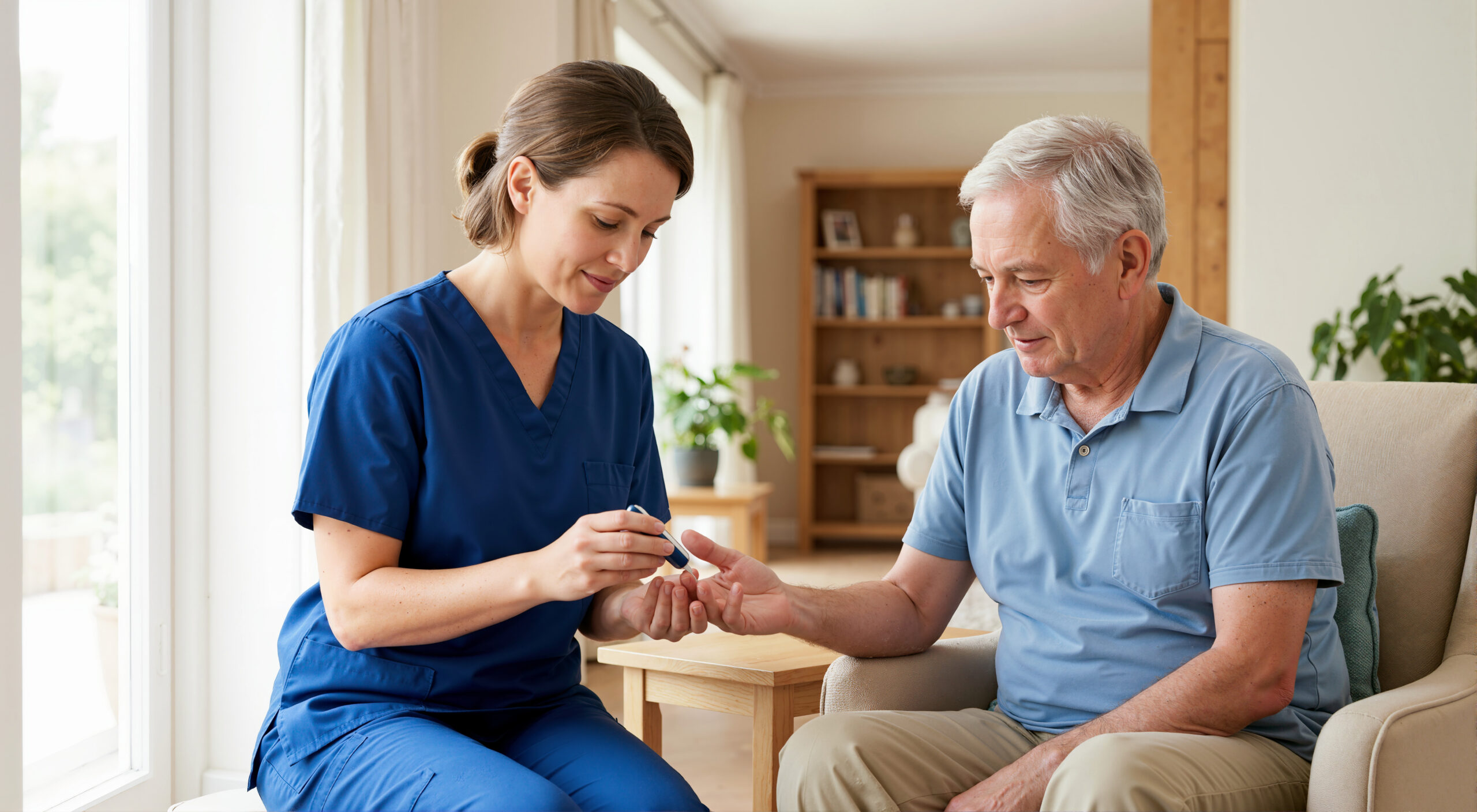
This is one of the most vital aspects of stroke recovery, and it shouldn’t be ignored. Prescribed medications may help your loved one manage his or her blood pressure and cholesterol levels, lower the odds of blood clots, and stave off another stroke.
In some instances, prescriptions cause other issues, so it’s important to monitor your loved one. If you notice your loved one responding negatively to a medication, share this information immediately with his or her doctor. However, don’t stop your loved one from taking medicine or change the dosage amount without medical approval.
Stroke survivors are often able to recover at home with the help of family members and professional caregivers. Many seniors prefer aging in place over moving to assisted living facilities. If your senior loved one needs assistance to remain safe and comfortable while living at home, reach out to Assisting Hands Home Care, a leading Northern Kentucky home care agency. Our dedicated in-home caregivers assist with meal prep, bathing and grooming, exercise, medication reminders, and many other important tasks.
Implementing a Healthy Diet & Exercise Plan
One of the top keys to recovery is eating well-balanced meals and avoiding unhealthy foods that cause poor blood circulation, increased heart problems, depression, and more. Following a nutritious diet could keep your loved one in good health and reduce his or her weight, leading to more physical activity, which is also necessary when recovering from a stroke.
One or both sides of your loved one’s body could be affected after a stroke, and the rehab process will be customized based on his or her strengths and weaknesses. Failing to move around when possible may impede the recovery process, but pushing the body too hard could lead to exhaustion and regression.
If your elderly loved one needs help maintaining a high quality of life while aging in place, reach out to Assisting Hands Home Care, a trusted provider of home care service. Our caregivers provide transportation to and from medical appointments and social events, nutritious meal preparation, assistance with daily exercise, and help with everyday tasks like bathing, grooming, and light housekeeping.
Keeping Notes for Doctors
When your loved one falls, that should be recorded. If your loved one has difficulty keeping up with conversations or experiences vocal disruptions, these are incidents to report to his or her primary care physician. While it may take a while for your loved one’s strength and mental, physical, and vocal capabilities to return following a stroke, it’s vital to keep notes for the doctor in case these are warning signs of other health problems or the risk of another stroke. The physician could also use your notes to determine if the treatment plan is working or what changes should be made.
Joining a Support Group
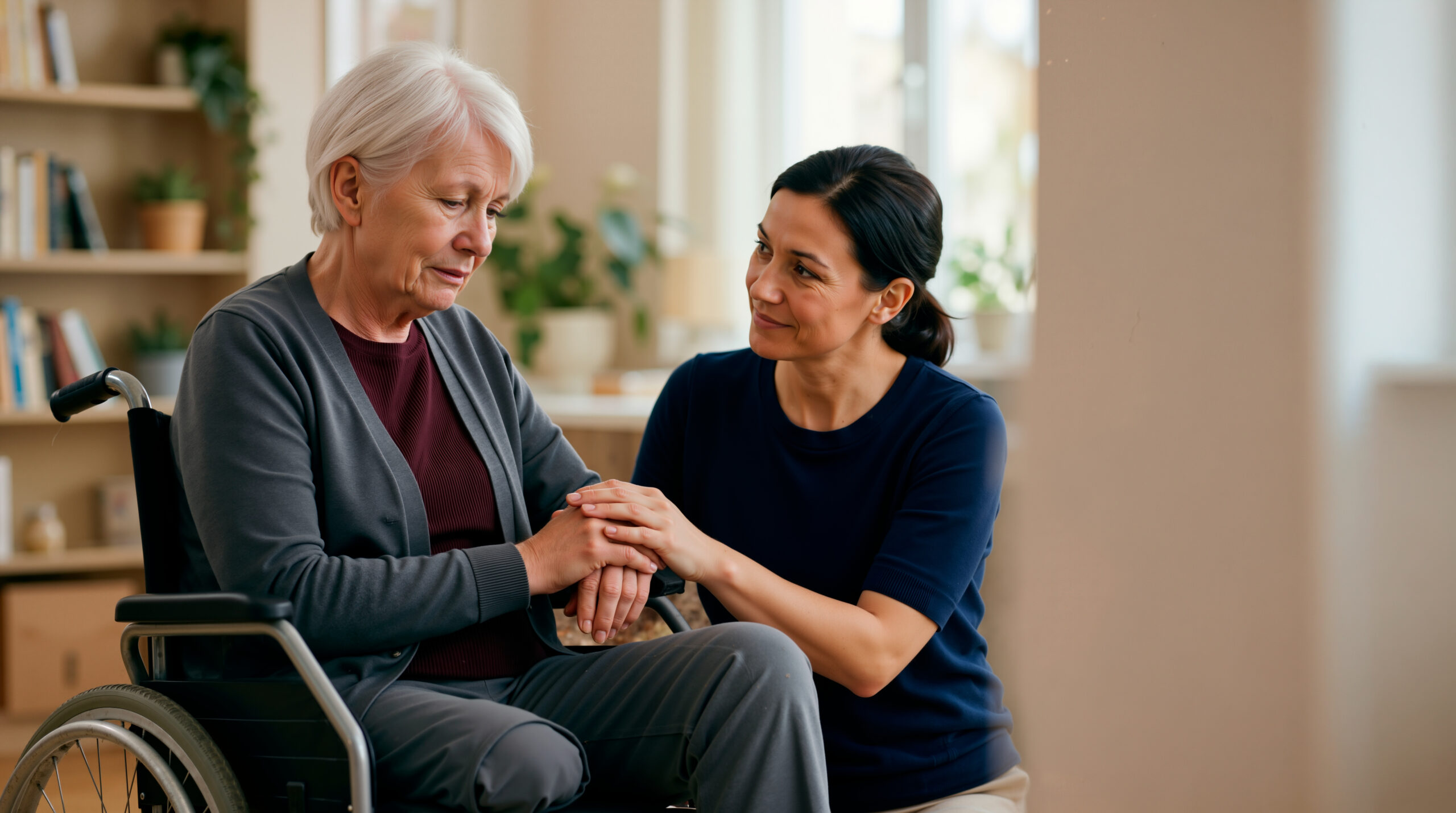
Having a stroke could harm your parent’s mental and emotional wellbeing, especially if he or she is having difficulty regaining his or her senses and skills. To ease your loved one’s mind and boost his or her confidence, he or she should consider joining a stroke survivor support group. The objective is to stop post-stroke depression before it clouds your loved one’s thoughts and actions during the recovery process.
Support groups are also beneficial for family caregivers, especially when caregiving becomes overwhelming and they feel alone. Therefore, you should enroll in a caregiver support group to get the help you need from time to time.
Recovering from a stroke, managing the symptoms of Alzheimer’s, and a variety of other health-related situations may make it difficult for a senior to continue living at home without someone there to help. Northern Kentucky home care professionals are trained to help seniors who need 24/7 assistance. With the help of a professional caregiver, your elderly loved one may maintain a higher quality of life while aging in place. Call Assisting Hands Home Care of Northern Kentucky today at (859) 444-5699 to learn about our high-quality in-home care services.