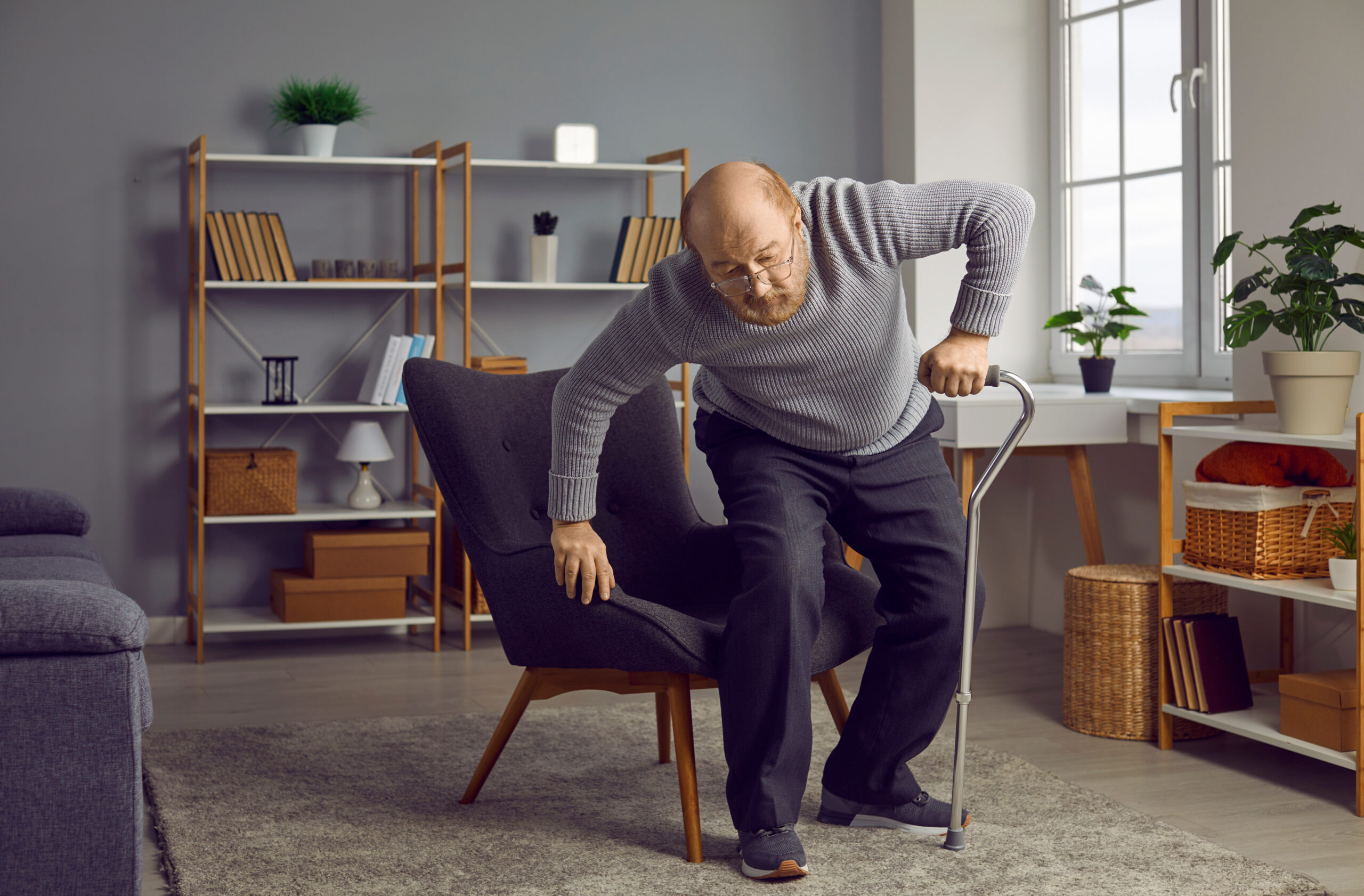
The most effective way to reduce fall risk for seniors receiving home care is to combine home safety modifications with strength support and routine health monitoring. Most falls can be prevented by removing hazards, improving lighting, securing bathrooms, stabilizing flooring, and maintaining physical conditioning and medication oversight.
Falls are a leading cause of injury among older adults, often threatening their ability to live independently and impacting their overall quality of life. Fortunately, many of these accidents are preventable by identifying common hazards and making proactive modifications to the living environment.
How Does Removing Clutter Reduce Fall Risks at Home?
One of the simplest yet most effective ways to prevent falls is to ensure all walking paths are clear. For seniors who may have a shuffling gait or use walking aids like canes or walkers, even small objects on the floor can become major obstacles. High-traffic areas such as hallways, the living room, and the route to the kitchen should remain completely free of obstructions.
Start by removing piles of old newspapers, magazines, and shoes that tend to accumulate near entryways. Electrical cords are another common culprit. They should never run across walkways. Instead, coil them next to the wall or tape them down securely. It’s also important to arrange furniture so there’s plenty of room to navigate freely without having to squeeze through tight spaces.
- Organize daily items – Keep frequently used objects like reading glasses, remotes, and phones within easy reach so there’s no need to stretch or climb to get them.
- Manage cables – Use cord organizers to keep wires behind furniture and away from feet.
- Clear the stairs – Never leave objects on the stairs, even temporarily, as this is a high-risk zone for severe falls.
Why Is Proper Lighting Essential for Fall Prevention?
Adequate lighting makes hazards visible and significantly lowers the chance of missteps. As we age, our vision changes, and we often require more light to see clearly. Dimly lit rooms and hallways can hide tripping hazards that would otherwise be obvious. Conducting a lighting audit of the home can reveal areas that are too dark or where shadows might cause confusion.
Ensure every room has bright, non-glare lighting. It’s particularly important to have adequate illumination at the top and bottom of staircases. Installing light switches at both ends of a hall or staircase allows your loved one to turn lights on before entering an area rather than walking through the dark to find a switch.
- Use nightlights – Place motion-sensor nightlights in bedrooms, hallways, and bathrooms to guide the way during nighttime trips.
- Check light bulbs – Replace burnt-out bulbs immediately and consider upgrading to higher-wattage or LED bulbs for better brightness.
- Keep lamps accessible – Ensure bedside lamps are easy to reach so your loved one doesn’t have to get out of bed in the dark.
Some seniors only require help with a few daily tasks so they can maintain their independence. However, those living with serious illnesses may need more extensive assistance. Luckily, there is professional live-in care Northern Kentucky seniors can rely on. Home can be a safer and more comfortable place for your loved one to live with the help of an expertly trained and dedicated around-the-clock caregiver.
What Bathroom Safety Upgrades Prevent Slips and Falls?
The bathroom is statistically one of the most dangerous rooms in the house due to slippery surfaces and hard fixtures. Making this space safer is a critical step in fall prevention. The combination of water and smooth tile can be treacherous, so adding traction is essential.
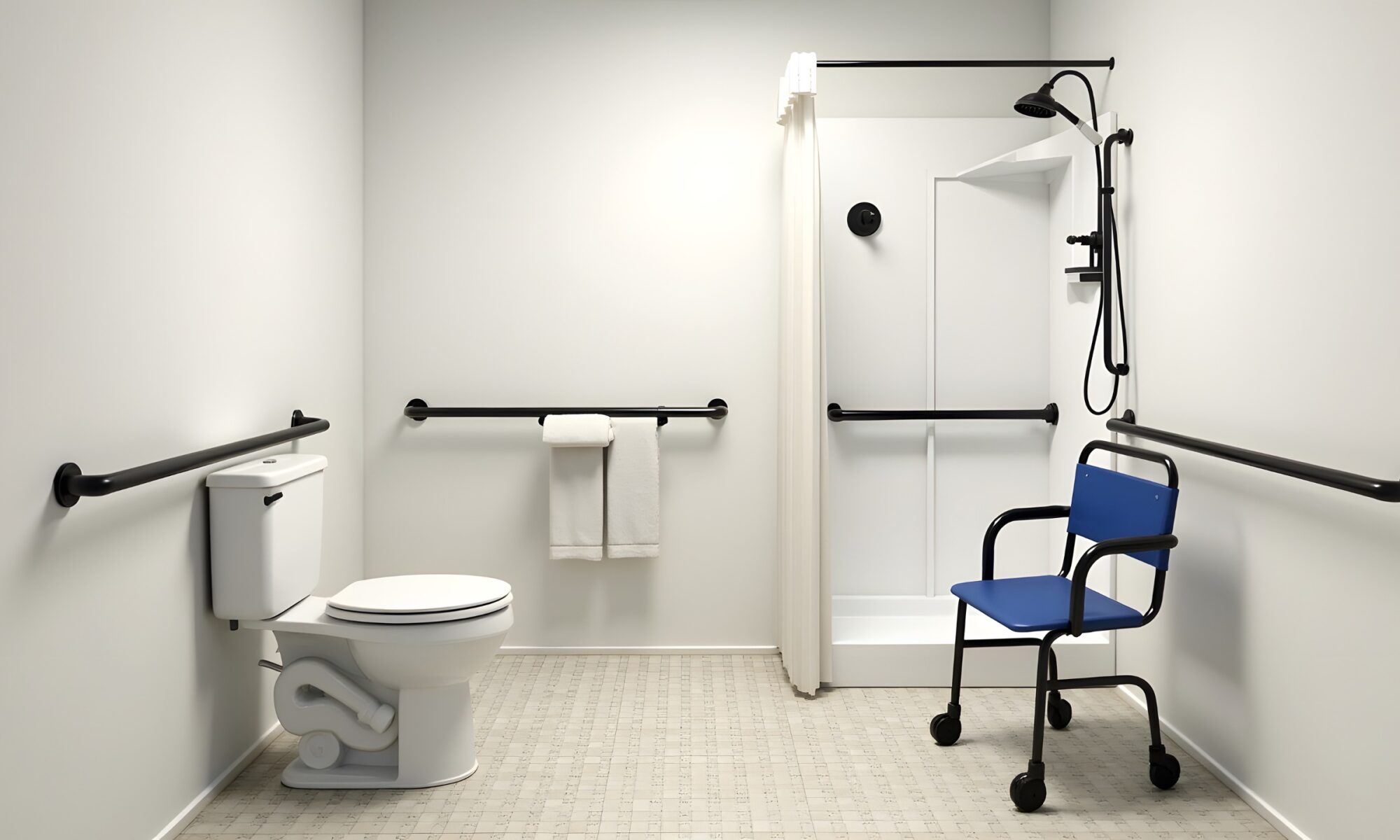
Installing grab bars is a nonnegotiable safety upgrade. Don’t rely on towel racks, which aren’t designed to support human weight. Grab bars should be installed in the shower or tub and next to the toilet to assist with sitting and standing. For those who have difficulty stepping over the side of a bathtub, a transfer bench or a walk-in shower might be necessary.
- Nonslip mats – Place nonslip mats or adhesive strips inside the bathtub and shower to prevent sliding.
- Raised toilet seats – A raised seat with handlebars can make lowering and rising much easier and safer.
- Shower chairs – Using a sturdy plastic seat in the shower allows seniors to bathe without the fatigue of standing, reducing the risk of slipping.
Some seniors need occasional assistance at home, and oftentimes the family members who take care of them need time away to run errands, take a nap, go to work, or take a vacation. The respite care experts from Northern Kentucky Assisting Hands Home Care are available on an as-needed basis, giving your family peace of mind that your loved one will remain safe and comfortable while you relax or focus on other important responsibilities.
How Do Rugs and Flooring Contribute to Falls?
Loose rugs and uneven flooring are common but preventable hazards. Throw rugs, while decorative, are notorious for bunching up or having curled edges that can easily catch a toe or a walker wheel. The safest option is to remove all throw rugs from the home entirely.
If removing rugs isn’t an option, they must be secured firmly to the floor. Use double-sided carpet tape or nonslip backing to ensure they don’t move when stepped on. Additionally, check for loose floorboards or carpeting that has become slack, as these irregularities can cause a loss of balance.
- Inspect carpet edges – Check for fraying or curling edges that need to be trimmed or taped down.
- Repair damaged floors – Fix broken tiles or uneven floorboards immediately.
- Choose the right footwear – Encourage wearing nonslip shoes or socks with rubber grips inside the house rather than walking in smooth socks or stocking feet on hardwood floors.
Why Do Strength and Medical Oversight Matter for Stability?
While environmental changes are crucial, your loved one’s physical condition is equally important. Enhancing strength and balance reduces the likelihood that a slip will result in a serious fall. Regular exercise that focuses on leg strength and balance can significantly reduce instability. Gentle activities like tai chi or water aerobics are excellent for building core stability without straining joints.
Furthermore, medical factors often contribute to instability. Regular vision checks ensure eyeglass prescriptions are current, as poor vision can lead to misjudging steps or distances. It’s also vital to review medications with a doctor or pharmacist. Some prescriptions or combinations of medicines can cause side effects like dizziness or drowsiness, which significantly increase fall risk.
A professional caregiver is the perfect option if your loved one wants to age in place with greater independence. If you have a senior loved one who needs help maintaining a high quality of life while aging in place, reach out to Assisting Hands Home Care of Northern Kentucky, a leading provider of home care Northern Kentucky families can trust. Our caregivers help seniors focus on healthy lifestyle habits such as eating nutritious foods, exercising regularly, and maintaining strong social ties, and we offer mentally stimulating activities that can boost cognitive health and delay the onset of dementia. To create a comprehensive in-home care plan for your loved one, call us today.
Frequently Asked Questions
How do home care services help with fall prevention?
+
Home care services assess the living environment for hazards, assist with mobility, and provide supervision to reduce the risk of falls.
What are common fall risks in the home?
+
Cluttered walkways, loose rugs, poor lighting, and lack of grab bars in bathrooms are common hazards that increase the risk of falls.
Can caregivers assist with mobility and balance exercises?
+
Yes, caregivers can support mobility and guide individuals through exercises designed to increase strength and balance.
How can I make my home safer for a loved one?
+
Simple changes like removing tripping hazards, installing grab bars, and ensuring proper lighting can significantly increase home safety.
Are fall prevention strategies included in personalized care plans?
+
Yes, many home care providers include fall prevention as a key component of their customized care plans to ensure safety and independence.