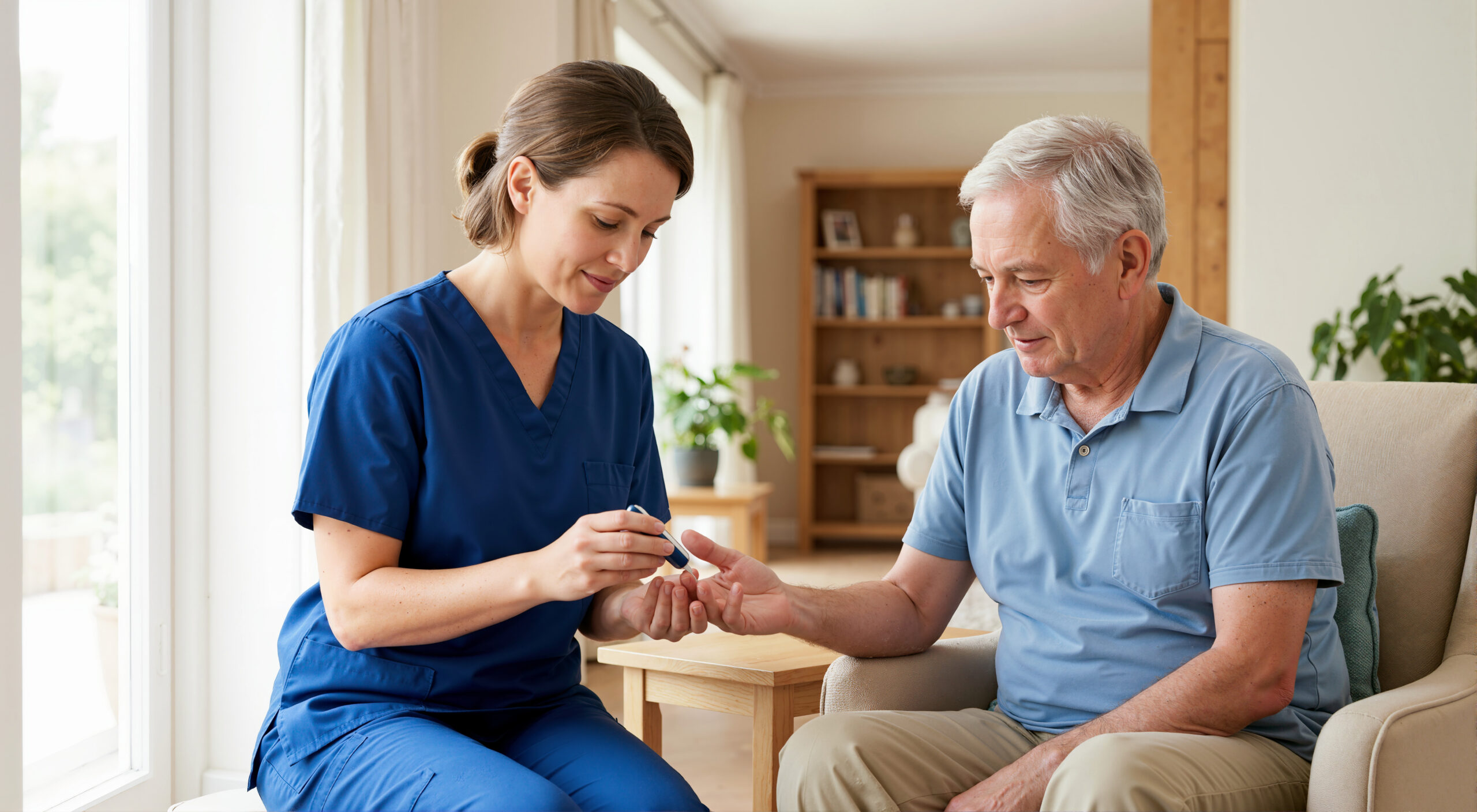
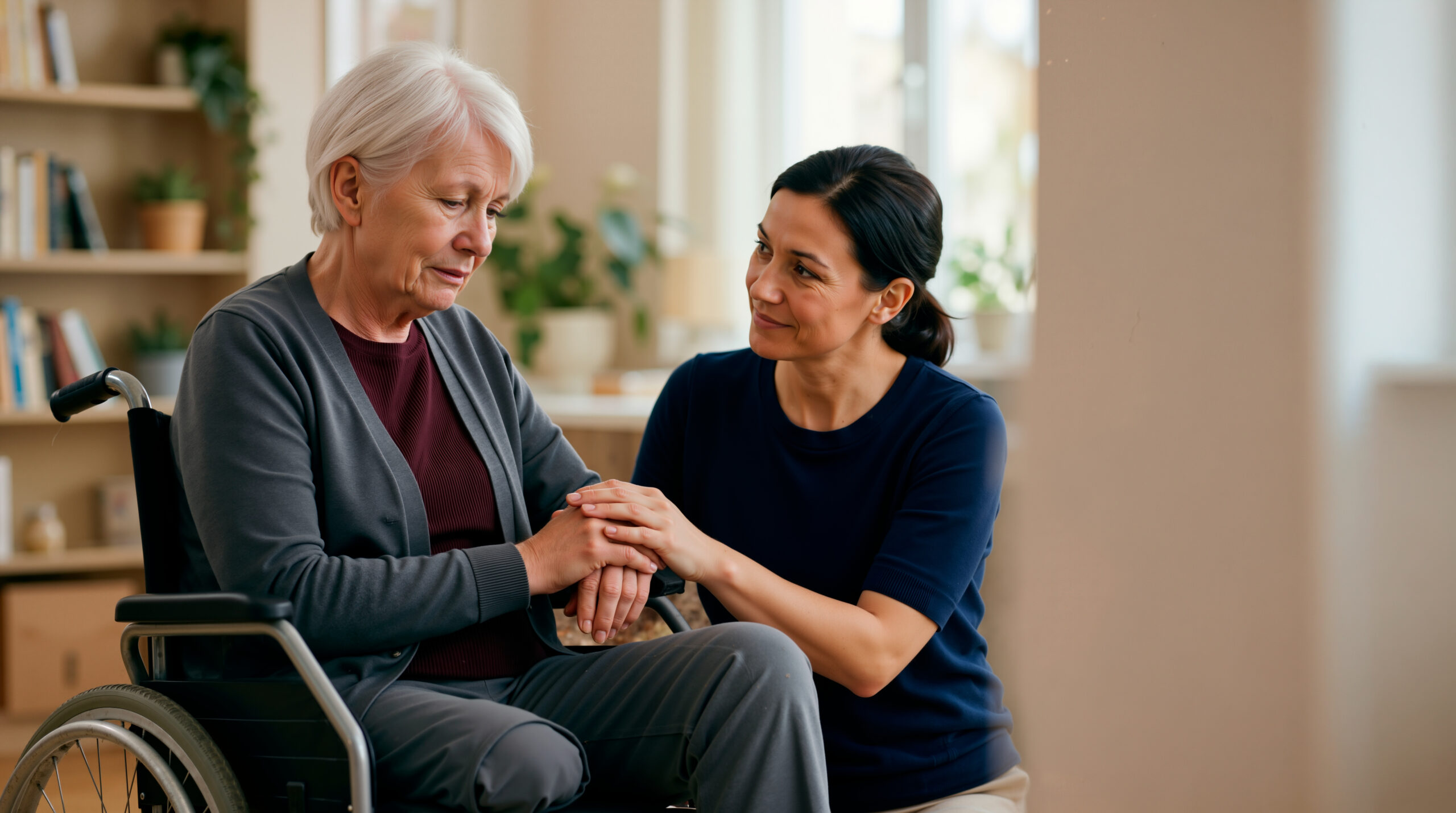
A Parkinson’s diagnosis can be a life-changing experience for aging adults and their families. It’s normal for seniors to feel overwhelmed at first, but if they take some time to breathe, learn about the disease, take care of themselves, and let their loved ones take care of them when necessary, Parkinson’s is manageable. Encourage your senior loved one to do these things after being diagnosed with Parkinson’s.
1. Don’t Panic
After being diagnosed with Parkinson’s, panicking is one of the worst things your loved one can do. It’s okay to get upset, have a good cry, or even get angry. Once your loved one gets these emotions out, encourage him or her to move on. If your loved one dwells on it, he or she may have a more difficult time making the condition manageable. Meditation, yoga, exercise, writing, and painting are great ways to turn negative emotions into something constructive.
2. Get Educated
The more seniors know about a disease, the better equipped they are to manage it. Encourage your loved one to do research online, read books, set up appointments with doctors and other experts, and reach out to other people with the disease. Find a support group, either online or in person, where your loved one can talk to people with real-life experience.
3. Find a Good Doctor
Your loved one needs a good doctor to develop a lasting relationship with. It may be the doctor who diagnosed your loved one, or your loved one may feel like setting up an appointment with a second or third doctor to get more opinions. Make sure the person your loved one chooses is knowledgeable about the disease and is patient and willing to answer questions.
4. Maintain a Healthy Lifestyle
If your loved one smokes, drinks alcohol excessively, doesn’t exercise, and enjoys eating junk food, now’s the time to make some changes. Encourage your loved one to get rid of the cigarettes and cut down to one drink a day or none at all.
Research has shown exercise can alleviate some of the symptoms of Parkinson’s, so help your loved one come up with an activity plan. Dancing, walking outdoors, aerobics, tennis, golf, and yoga are all excellent choices because they require the brain and body to work in sync with each other. Make sure to add plenty of fruits and vegetables to your loved one’s diet, and encourage him or her to eat more fiber to ease some of the symptoms.
Professional caregivers can be a wonderful source of support for older adults who are trying to adopt healthier lifestyle habits. Seniors can face a variety of challenges as they age, many of which can be mitigated with the help of professional in-home caregivers who provide high-quality homecare. Trust Assisting Hands Home Care to help your elderly loved one age in place safely and comfortably.
5. Talk to Family & Friends
Whether it’s a spouse, child, or close friend, a senior with Parkinson’s needs someone to talk to. Communication can benefit your loved one and those who care about him or her. Let your loved one know you want him or her to stay independent for as long as possible but that he or she may need some help from time to time.
For families living in Northern Kentucky, home care can be a wonderful solution when their aging loved ones need companionship and socialization a few hours a week or just need minor assistance with daily household tasks. At Assisting Hands Home Care, we thrive on helping seniors maintain their independence while living in the comfort of home.
6. Keep Track of Changes in the Body
Your loved one’s body and state of mind are going to change after the diagnosis, and it’s important to take note of any new symptoms that develop. Consider keeping a journal or asking a trusted friend or relative to do so. Make sure to indicate whether the new symptoms occurred after taking a new medication.
7. Live Life
A Parkinson’s diagnosis shouldn’t take over your loved one’s entire life. Encourage your loved one to keep socializing, working, focusing on hobbies, spending time with the grandchildren, and volunteering.
If your senior loved one has been diagnosed with a serious condition and needs help with tasks like meal prep, transportation, bathing, and grooming, reach out to Assisting Hands Home Care of Northern Kentucky, a leading provider of home care service Northern Kentucky, families can trust. We also offer comprehensive care for seniors with dementia, Alzheimer’s, and Parkinson’s. Call one of our friendly Care Managers today to schedule a free consultation.