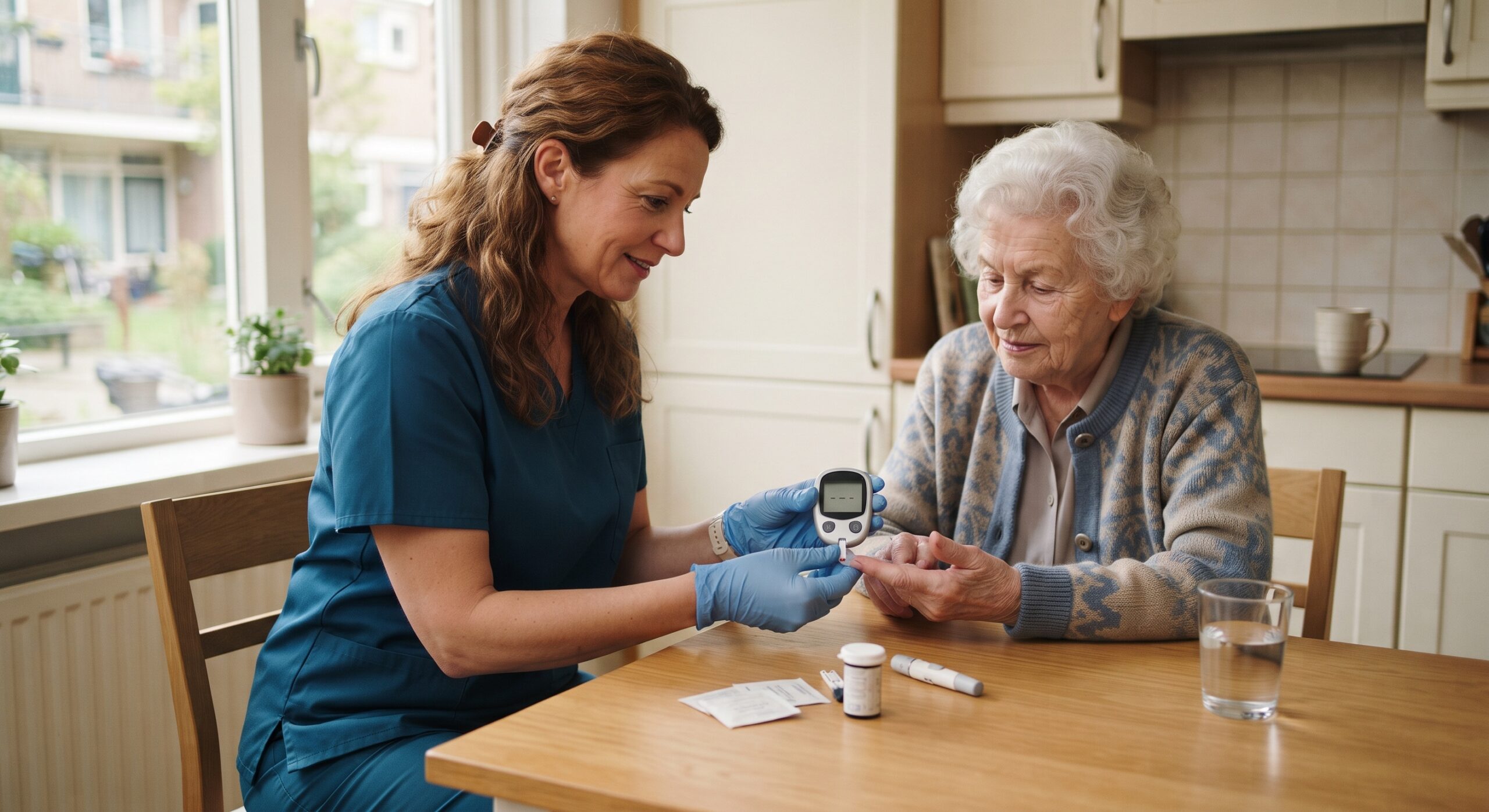
Cataracts are among the most common causes of vision loss in seniors. Fortunately, the eye disease can be treated with a fairly straightforward surgery. After cataract surgery, it’s important for seniors to take the following steps to ensure a speedy recovery.
Expect the Eyes to Look Different
Seniors might be uncomfortable with the appearance of their eyes after cataract surgery. It’s quite common for the white of the eye to look red and bloodshot, and there may be some bruising around the eye. The bruising might look a bit rough, but it should go away in less than a week. The key is to take all eye medications on time.
After a surgical procedure, seniors may face difficulty performing daily activities. If your aging loved one needs help managing everyday tasks or encouragement to adopt healthier lifestyle choices, turn to Assisting Hands Home Care, a leading provider of homecare. Assisting Hands Home Care provides professional in-home caregivers around the clock to help seniors live longer, happier, and healthier lives.
Plan for Some Discomfort
Cataract surgery is a fairly simple surgical procedure, but it involves certain side effects. Seniors might feel soreness or pain right after the surgery, and some dryness and itchiness should also be expected. Post-surgery eye discomfort can be reduced by taking over-the-counter painkillers.
Protect the Eye
In the days after the surgery, you might need to spend a little extra time to keep your loved one’s eyes safe. Most seniors need eye drops that prevent the eyes from getting infected. The doctor may also suggest your loved one wear an eye shield while sleeping or use protective glasses for several days after the surgery. Make sure your loved one follows all the doctor’s instructions after the procedure.
Limit Activities
A lot of seniors assume their daily lives won’t be affected, since cataract surgery is a minor procedure. However, it’s important to rest and relax. Your loved one shouldn’t drive right after the surgery or do anything strenuous for at least two weeks. Encourage your loved one to avoid bending over at the waist or lifting heavy objects, as these activities could strain his or her eyes. Your loved one should also avoid exposing the eye to dust, wind, grime, pool water, ocean water, or hot tub steam for the first few weeks.
Consider hiring a professional caregiver to assist your parent with daily tasks after having surgery. Whether your elderly loved one needs part-time assistance with basic household chores or you need a break from your caregiving duties, the Northern Kentucky senior care experts at Assisting Hands Home Care are here to help. All of our home care services are backed with a 100% satisfaction guarantee, there are no hidden fees in our contracts, and we never ask our clients to sign long-term contracts.
Treat Blurred Vision as a Temporary Side Effect
Many seniors feel disappointed right after surgery because they were hoping to immediately have perfect vision. Your loved one should have better eyesight after the surgery, but it may take some time to adapt to the change. At first, vision might look a little wavy, blurry, or cloudy. Severe distortions typically go away after a few hours, and vision should be back to normal within a week or two.
Hiring a professional caregiver is one of the best ways to make sure your loved one continues aging in place safely and comfortably after a surgical procedure. If your senior loved one has been diagnosed with a serious condition and needs help with tasks like meal prep, transportation, medication reminders, bathing, and grooming, reach out to Assisting Hands Home Care, a leading provider of home care Northern Kentucky families can trust. We also offer comprehensive care for seniors with dementia, Alzheimer’s, and Parkinson’s. If you need professional care for your loved one, reach out to one of our Care Managers today.