Most seniors would prefer to receive care in the comfort and familiar surroundings of their own home. Yet many have trouble with the activities of daily living and managing their healthcare, especially their medications. According to the Agency for Healthcare Research and Quality, the number of older adults hospitalized due to medication-related problems has doubled over the last decade, and the number continues to rise as baby boomers age.
Medicines are beneficial in controlling many of the diseases and conditions that older adults experience, such as arthritis, diabetes, high blood pressure, osteoporosis and heart disease.
But medications, whether prescribed by a doctor or bought over the counter, have potentially toxic side effects that can cause significant problems. Sometimes a single medication is at fault; sometimes it is the interaction of two or more prescribed medications.
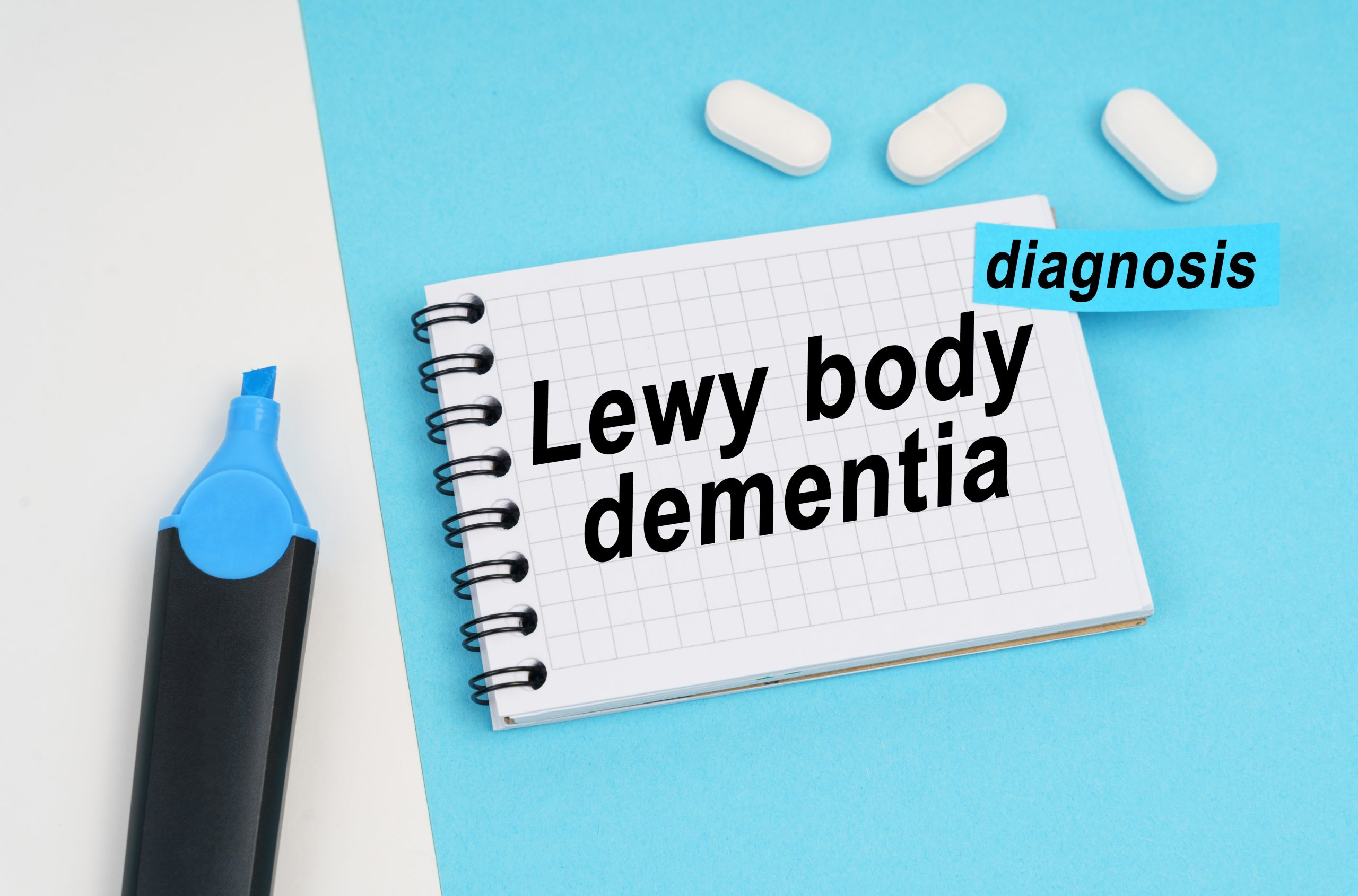
For example, it is not at all uncommon for families to suspect dementia or depression in an older adult, when the symptoms are actually caused by undesirable effects from prescription drugs. Medication problems can lead to hospitalization and even death.
Undesirable effects of medications may be caused by:
- Negative side effects of a drug
- Interaction between one or more drugs
- Overdose from taking too much of a single medication
- Overmedication when two drugs work in a similar way
- Changes in the way an older person’s body reacts to and processes certain drugs that allows a toxic level to build up.
Overmedication isn’t the only problem: if a senior misses doses, the drug may not be as effective. And with certain diseases, like Parkinson’s, the timing of doses is critical.
Often, medication management problems result from the complexity of juggling a variety of drugs for various conditions. Compound the issue with multiple prescriptions, different times to take them, different ways they should be taken, and it’s easy to see why medication compliance is so complicated. To make matters worse, memory loss can exacerbate the situation, making it more likely that the person will take an extra dose or skip a dose.
Families worry about their older loved one’s ability to take prescriptions correctly. There are some relatively simple safeguards to take. Family can:
- Help their loved one make a list of all medications and bring the list (or the medication containers) to their loved one’s doctor for a periodic review of all prescriptions.
- Check their loved one’s medicine chest for old prescriptions that are no longer needed or have expired.
- Help their loved one contact the healthcare provider if there are signs of bad side effects, such as a rash, headaches, drowsiness, dizziness or nausea.
- Encourage their loved one to use a single pharmacy for all prescriptions so the pharmacist can help avoid drug interactions.
But when it comes to the daily monitoring of a medication regimen, families may feel helpless, wondering whether their loved one is following the doctor’s recommendations. They worry when they aren’t present and wonder if the senior is safe taking the medications properly. This is where home care can fill in the gap, providing an extra measure of safety and peace of mind.
Skilled nursing services can be provided in the home, including medication administration. Less costly personal care and companion services may also include certain medication support tasks. Assisting Hands home care Northern Kentucky home care professionals can:
- Administer medications, depending on state law
- Remind senior clients to take medications on time and in the way they are supposed to be taken
- Take clients to the pharmacy, or pick up prescriptions
- Observe and report problems that might suggest side effects
- Help senior clients learn to use pill organizers, dispensers, automatic reminders or other devices.
Medication management is just one of the many ways that home care workers can help seniors maintain their independence, and help family caregivers go about their daily tasks with confidence, knowing their loved one is safe.
The information in this article is not intended to replace the advice of your doctor. Consult with your healthcare provider if you have questions about medication management.
Source: Assisting Hands Home Care in association with IlluminAge. Copyright © IlluminAge.