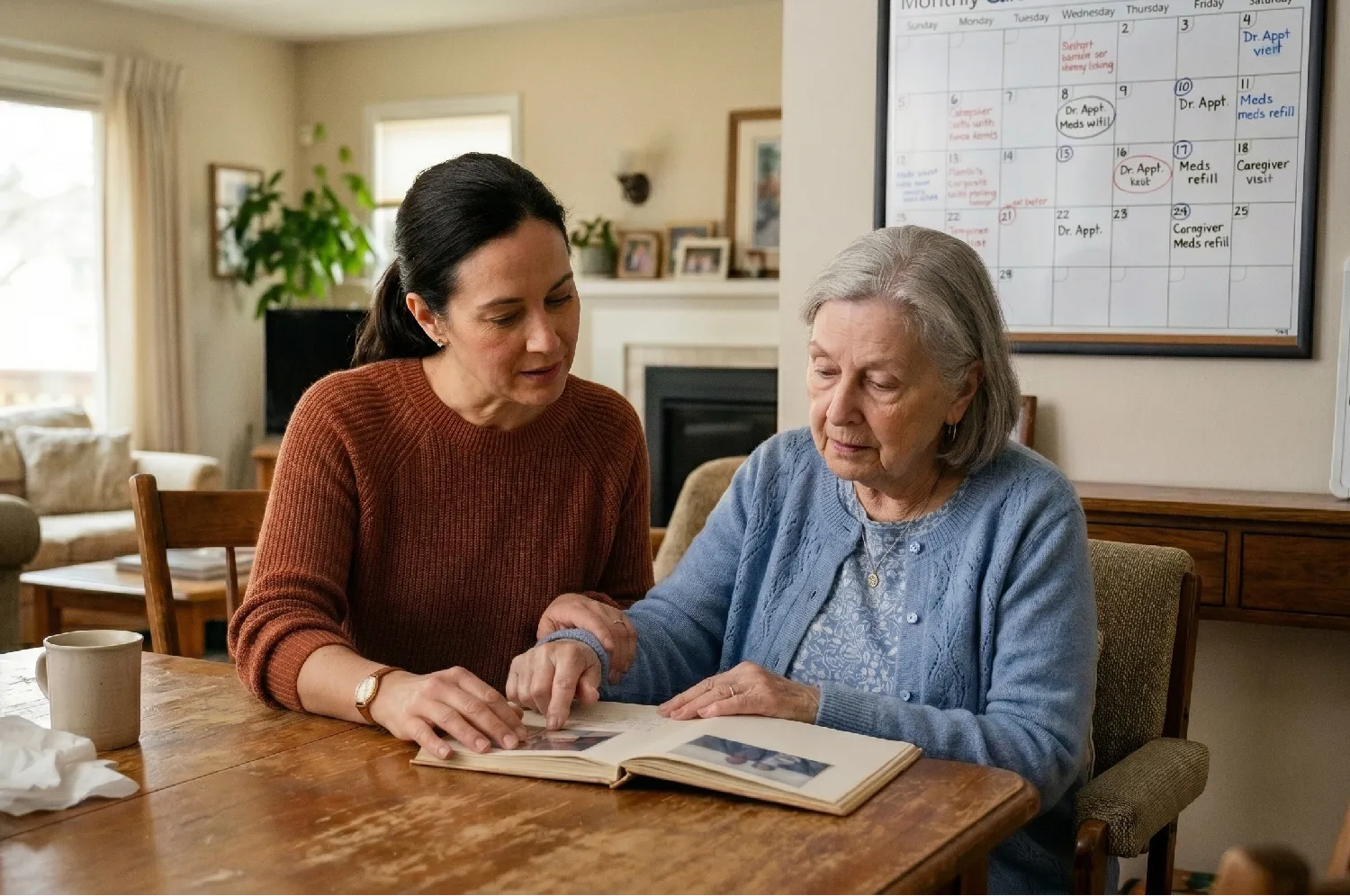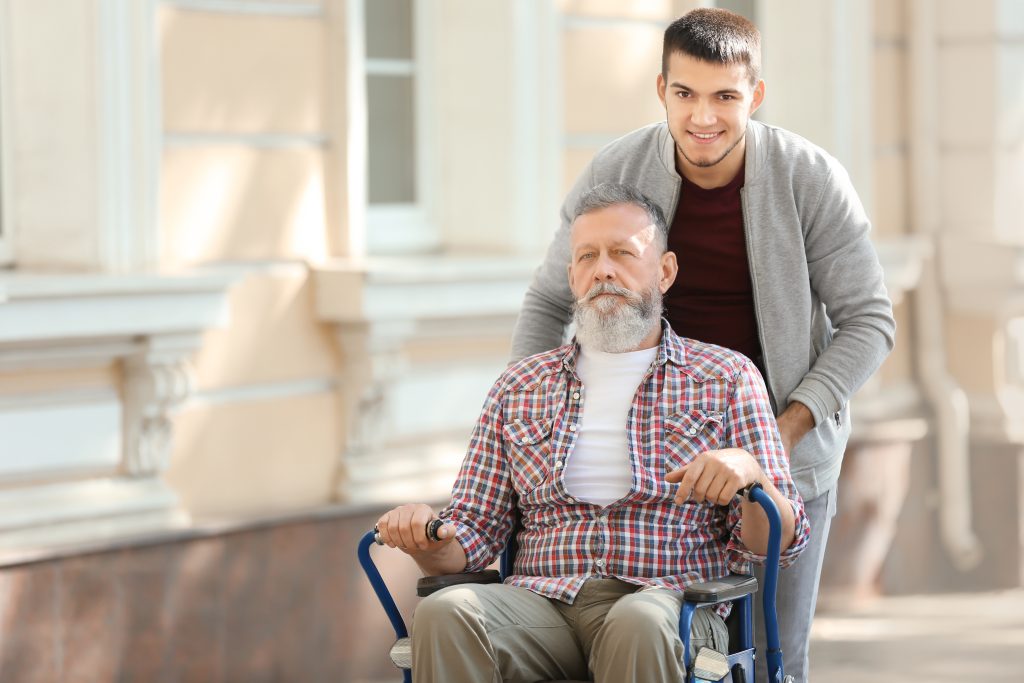
Caring for a senior loved one with dementia is an emotional and demanding path, often filled with unseen challenges and unique responsibilities. While the primary focus is often on the care recipients, it’s equally critical to recognize the needs of caregivers. Understanding this two-party equation is essential to ensuring both the care recipient and the caregiver thrive. Below, we’ll explore the unique challenges of dementia caregiving, offer practical strategies, and highlight the importance of building a support system.
Caring for Two: The Caregiver and the Recipient
It’s natural to focus on the person with dementia as the central figure in caregiving. However, decisions should also prioritize the caregiver’s wellbeing. Simple questions like “How will this make you feel?” can make a significant difference in maintaining a caregiver’s emotional and physical health. This dual focus preserves the caregiver’s ability to provide long-term high-quality care.
The Challenges of Dementia Caregiving
- An unexpected role
Caregiving often feels like an “unsigned job” that people neither choose nor are trained for. And every case of dementia is unique. A common phrase in this field is “If you’ve met one person with Alzheimer’s, you’ve met one person with Alzheimer’s.” Caregivers must adapt to the varying needs of each individual.
- Navigating the uncertainty
Without clear manuals or guaranteed techniques, caregiving requires patience and flexibility. Missteps are part of the process as caregivers learn to use tools and try new approaches when initial strategies fail.
- Increasing responsibilities
Dementia gradually shifts tasks from the care recipient to the caregiver. Driving, decision-making, and even everyday errands like grocery shopping may eventually fall entirely on the caregiver. Proactively planning for these changes can prevent burnout and ensure smoother transitions.
- Emotional and social isolation
Caregivers often protect their loved ones’ dignity by taking on responsibilities themselves, leading to feelings of exhaustion and loneliness. Many are hesitant to ask for help, fearing they’ll burden others. Sharing the caregiving experience, however, can alleviate isolation and foster essential support.
Caring for senior loved ones can be challenging for families who don’t have expertise or professional training in home care, but this challenge doesn’t have to be faced alone. Family caregivers can turn to Assisting Hands Home Care for the help they need. We provide high-quality in-home care as well as comprehensive Alzheimer’s, dementia, stroke, and Parkinson’s care.
Key Questions Every Caregiver Must Address
Planning and decision-making are vital to successful caregiving. Here’s a set of core questions every caregiver should consider:
- What needs to be done now and in the future?
Dementia is progressive, so anticipate increasing responsibilities as the disease evolves. Planning ahead can help you avoid crisis situations.
- What do you want to do?
Reflect on the caregiving tasks you genuinely wish to take on. This ensures your role aligns with your physical, emotional, and financial capacity.
- What are you willing to do?
Differentiate between what you want to do ideally and what you’re realistically willing to take on. Be honest about limitations and consider options for additional support.
- What are you capable of doing?
Assess your abilities, from physical strength to financial capacity, to ensure you’re prepared for the demands of caregiving.
Answering these questions early allows caregivers to prioritize tasks, accept help, and avoid feeling overwhelmed.
Caring for a loved one with dementia can be challenging, but compassionate help is available. If your senior loved one has been diagnosed with a serious condition and needs help with tasks like meal prep, transportation, medication reminders, bathing, and grooming, reach out to Assisting Hands Home Care, a leading provider of home care Northern Kentucky families can trust. We also offer comprehensive care for seniors with dementia, Alzheimer’s, and Parkinson’s.
Maintaining Role Dynamics and Emotional Needs
While caregiving may alter dynamics, core relationships stay the same. For example, a daughter caring for her mother remains a daughter at heart. Leveraging original roles can lead to better outcomes. For instance, asking for help might elicit a better response than issuing commands.
Care visits often become task oriented, leaving caregivers emotionally depleted. Find ways to connect outside of traditional conversations, such as reminiscing about childhood memories or engaging in shared hobbies, to nurture emotional bonds.
Building a Support System
- Adopting the “village” approach
Unfortunately, while society embraces communal support for raising children, elder care often lacks the same mentality. Caregivers frequently feel guilty or believe they should handle all responsibilities themselves. However, even small contributions from others, like running errands or lawn care, can significantly lighten the load.
- Assembling your team
Here are some essential players to include in your caregiving team:
- Decision makers and doers handle strategic planning and specific caregiving tasks.
- Doctors and specialists provide insights into disease progression and future needs.
- Friends and family bring emotional and practical support. Assign specific tasks to empower them rather than leaving them unsure of how to help.
- Support groups and peers offer shared experiences and emotional guidance.
Frame requests for help as supporting yourself, the caregiver, rather than solely benefiting your loved one. This shift in perspective can encourage others to step up.
Addressing Delusions and Stubbornness
Caring for someone experiencing delusions or denial requires creativity and patience. Rationalizing often proves ineffective. Instead, caregivers may need to rely on indirect approaches or “white lies” to ensure essential care. For instance, framing a visit to memory care as a doctor’s appointment can help you overcome resistance.
Sometimes, interventions only happen out of necessity following a crisis, such as a fall or medical emergency. While this is challenging, thoughtful planning for such circumstances can mitigate trauma.
Ensuring Care for Caregivers, Too
The greatest challenge for many caregivers is neglecting their own needs. However, a caregiver’s wellbeing is essential to providing effective care. Proactively planning, delegating tasks, and seeking support can make this daunting role more manageable.
If you’re a caregiver, remember this: you’re not alone. Building a network of support—from friends and family to specialists and peers—isn’t just beneficial, it’s essential. By caring for yourself, you’re better equipped to care for your loved one.
Even when families have the best intentions, caring for a senior loved one with dementia can be challenging. Fortunately, Assisting Hands Home Care of Northern Kentucky is here to help. We are a leading provider of dementia care. Northern Kentucky families can take advantage of our flexible and customizable care plans, and our caregivers always stay up to date on the latest developments in senior care. To hire a professionally trained caregiver for your loved one, call us today.