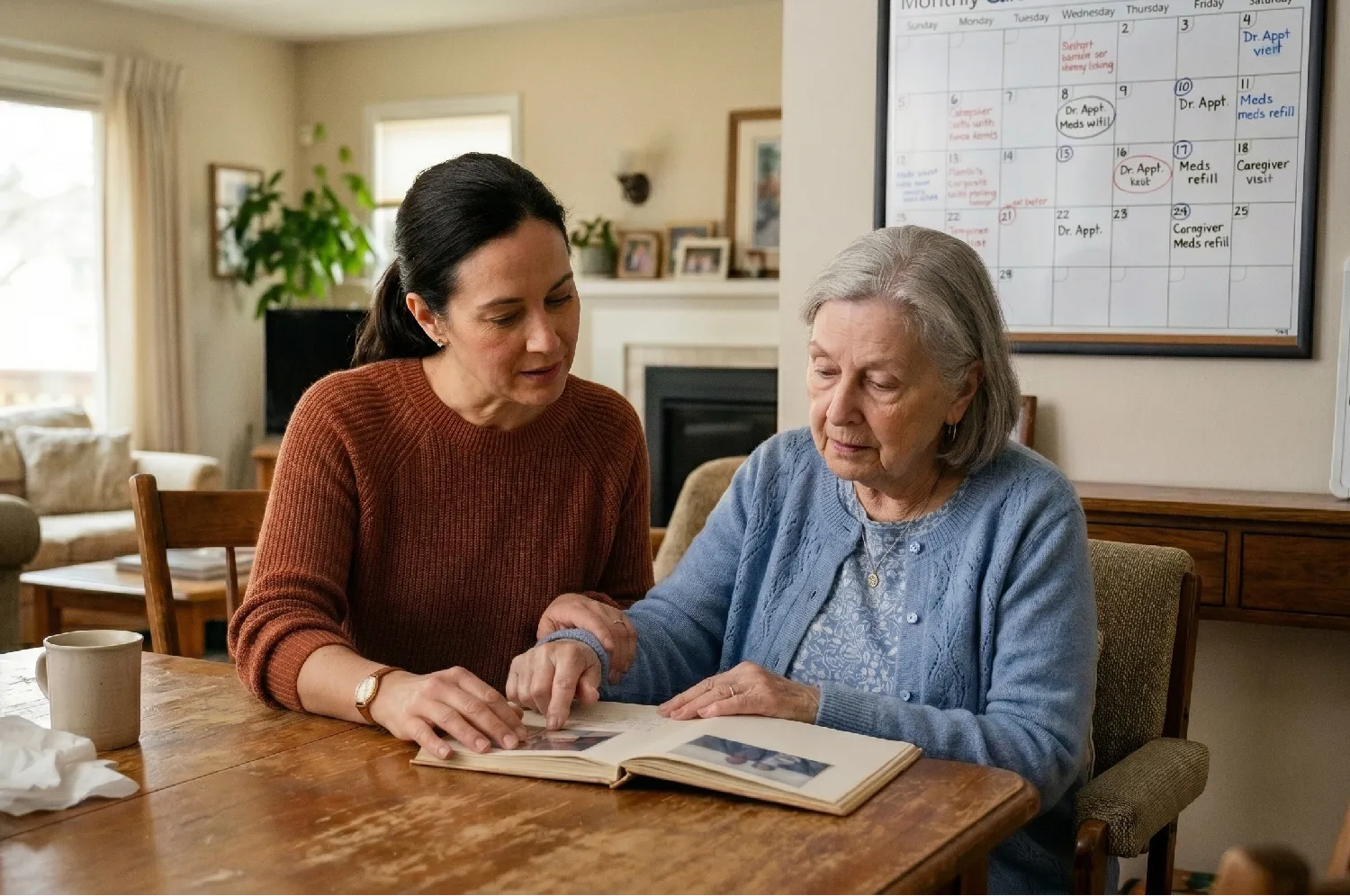
Talking to children about dementia can feel overwhelming, but it’s an important conversation that helps them understand changes in their aging loved ones with compassion. Children are naturally curious and perceptive, so it’s essential to address their questions in an age-appropriate way that feels honest and comforting. Here’s how to approach this sensitive topic.
Describe Dementia in Simple Terms
Begin by explaining what dementia is in a way kids can grasp. Avoid using complex medical terminology and instead focus on simple explanations. For example, you can say “Dementia is an illness that affects how the brain works. It can make a person forgetful, confused, or behave differently.”
For younger children, using analogies can be helpful. You might compare the brain to a library where some books have gone missing, making it harder for the person to remember things. Older children may benefit from a more detailed explanation, like outlining how dementia impacts memory, emotions, and daily life.
Dementia is a serious health condition. If your senior loved one needs help managing an illness or assistance with daily tasks, make sure you choose a top-rated provider of home care service. Assisting Hands Home Care is here to help your loved one live a happier and healthier life in the golden years.
Answer Their Questions
Children may have a lot of questions, especially if they’ve noticed changes in a family member’s behavior. Be patient and listen carefully. Some common questions might include “Why does Grandpa forget my name?” or “Will I get dementia too?”
Answer truthfully but reassure them. For example, you can explain “Grandpa’s memory isn’t as strong as it used to be, but he still loves you very much” or “Not everyone gets dementia, and doctors are working hard to learn more about it.”
Encourage your kids to keep asking questions as they arise. This creates an open environment where they feel safe expressing their thoughts.
Consider hiring a professional caregiver if you need someone to provide care to your loved one. There are many reasons seniors might need assistance at home. Some may require regular mental stimulation due to a dementia diagnosis, while others might only need part-time assistance with exercise and basic household tasks. Assisting Hands Home Care is a leading Northern Kentucky home care provider. Families rely on our expertly trained caregivers to help their senior loved ones maintain a high quality of life.
Teach Empathy
Helping kids develop empathy is a key part of these discussions. Explain that people with dementia may have trouble remembering names or doing certain things, but it’s not anyone’s fault. Encourage them to approach their loved one with understanding and kindness, even when behaviors seem unusual.
You can suggest small ways they can stay connected, such as looking through old photo albums together, playing simple games, or talking about happy memories. These activities reinforce the bond and create meaningful interactions.
Help Kids Cope with Their Feelings
It’s important to acknowledge that children may feel a mix of emotions when a loved one has dementia, such as sadness, confusion, or even frustration. Reassure them it’s okay to feel these things.
Encourage them to express their feelings through creative outlets like drawing, journaling, or talking to someone they trust. Share stories or books about dementia to help them see they’re not alone in their experience.
If they seem especially upset or withdrawn, consider involving a counselor or support group that specializes in families dealing with dementia.
Create a Supportive Family Environment
Make dementia a topic the whole family can talk about openly. By modeling compassionate behavior yourself, you set an example for your kids. When they see you treating their loved one with respect and patience, they’re more likely to follow suit.
You can also involve them in family caregiving in small but meaningful ways. Whether it’s helping to set the table or spending time chatting with their loved one, these actions can foster understanding and connection.
An experienced dementia caregiver can be a wonderful source of information and support for your whole family. Even when families have the best intentions, caring for a senior loved one with dementia can be challenging. Fortunately, Assisting Hands Home Care of Northern Kentucky is here to help. We are a leading provider of dementia care. Northern Kentucky families can take advantage of our flexible and customizable care plans, and our caregivers always stay up to date on the latest developments in senior care. To create a comprehensive in-home care plan for your loved one, call us today.