Delirium, depression, and dementia are conditions faced by many older adults. None are a part of normal aging, and all are different. However, it can be difficult to distinguish between them, as the symptoms are similar. And, a person may have more than one of these conditions at the same time. Alert your doctor if you or someone you know shows any signs or symptoms.
Delirium: Starts quickly. Affects the brain but is usually temporary. While it only lasts up to a week, it should be treated immediately. Delirium is typically caused by more than one factor:
- Illness
- Staying in bed too long
- A confusing environment
- Pain
What puts you at risk?
- Aging
- Depression or dementia
- Broken hip
- Major surgery (such as heart surgery)
Signs:
- Poor concentration
- Memory issues
- Time & place confusion
- Delusions
- Sleepy/slow to respond
- Problems eating or sleeping
- Personality changes
- Disinterestedness
Depression: A medical illness many people have throughout their lives, others suffer depression after a major life change:
- Death of a loved one
- Loss of independence (moving to long-term care, for example)
- Developing dementia
- Illness
Signs:
- Disruption in sleeping patterns
- Disinterested in normal activities
- Low energy
- Eating more or less than normal
- Concentration is difficult
- Aches and pains
- Constipation
- Agitation or irritability
- Feelings of guilt, worthlessness, hopelessness, regret
- Suicidal thoughts
Depression is not a sign of weakness, it is a serious condition that can be treated. Alert your doctor if you or someone you know shows any signs or symptoms, there are many treatment options available.
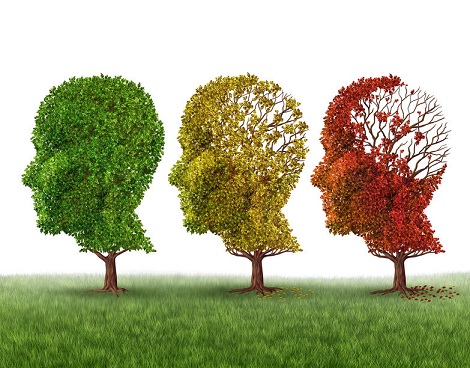
Dementia: A disorder of the brain that typically affects learning, memory, mood and behavior, dementia develops over several months or years. While aging is not the cause of dementia, it is more common among older adults. Alzheimer’s is one of the most common types of dementia, but there are several types, and it is important to understand which type of dementia you or someone you love may have, as treatment options vary. While those living with dementia and other brain diseases face many challenges, they can still live well, with meaning in their lives. The progression of dementia can be slowed by environmental and social support.
Signs:
- Difficulty with familiar tasks (cooking, paying bills, driving)
- Thinking and problem-solving difficulties
- Harder to learn new information
- Memory loss that affects routine activities
- Losing things
- Time and place confusion
- Personality changes
- Not sure what to do next
- Poor judgment
If you or a loved one is experiencing symptoms of any of these conditions, contact your health care provider immediately. And if you find yourself needing extra help, Assisting Hands Home Care Northern Kentucky can put a caregiver in place, usually within 24 hours. Our caregivers are trained and compassionate and ready to help with a wide variety of services.