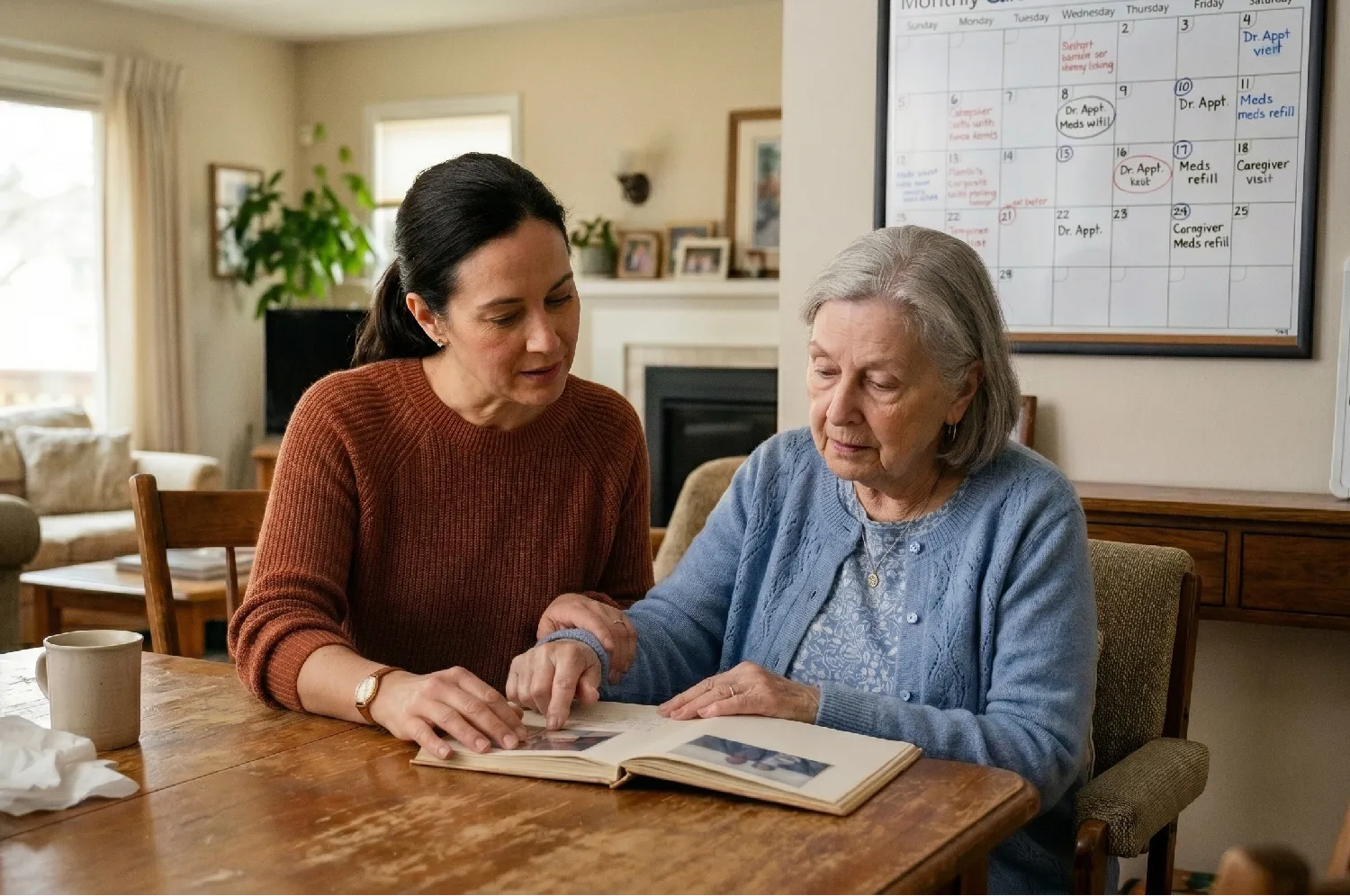
Dementia care goes far beyond managing physical needs. The emotional and social dimensions of care are just as important. For seniors living with dementia, regular companionship can meaningfully enhance quality of life. Understanding why connection matters—and how to foster it—helps families and caregivers provide truly holistic support.
Why Does Loneliness Pose a Greater Risk for Seniors with Dementia?
Seniors with dementia are especially vulnerable to loneliness because the condition can erode communication skills and make social engagement harder to initiate. Research from the National Institute on Aging notes that social isolation in older adults is associated with faster cognitive decline. Without regular human connection, feelings of confusion and anxiety can intensify.
Social isolation can result in mental, emotional, and physical challenges for aging adults, but seniors don’t have to manage them alone. Aging in place can present a few unique challenges for older adults. Some only require part-time assistance with exercise or meal preparation, while others are living with serious illnesses. If your elderly loved one needs around-the-clock Northern Kentucky 24-hour home care, turn to Assisting Hands Home Care Northern Kentucky. We are leaders in the elderly in-home care industry for good reason. We tailor our care plans based on each senior’s individual needs, our caregivers continue to receive updated training in senior care as new developments arise, and we also offer comprehensive care for seniors with Alzheimer’s, dementia, and Parkinson’s.
How Does Companionship Support Emotional Wellbeing in Dementia Care?
Consistent companionship provides a sense of familiarity and safety that reduces the emotional distress commonly associated with dementia. Key emotional benefits include:
- Reduced anxiety through the presence of a calm, familiar face
- Better mood from positive social interaction and shared activities
- A greater sense of identity and dignity even as memory fades
- Decreased agitation, particularly during challenging times of day
What Does Meaningful Companionship Look Like for Seniors with Dementia?
Companionship doesn’t require complex or lengthy activities. Meaningful connection can take many simple forms:
- Sharing a meal or a cup of tea together
- Looking through old photographs and reminiscing
- Listening to familiar music or watching a favorite show
- Taking a short walk or sitting outdoors together
- Engaging in light familiar hobbies like gardening or crafts
The key is consistency and presence—showing up regularly and engaging with warmth and patience.
How Can Caregivers Build Genuine Connections with Seniors Who Have Dementia?
Building genuine connections requires caregivers to meet seniors where they are rather than correcting or redirecting them. Practical approaches include:
- Using the senior’s preferred name and speaking in a calm, unhurried tone
- Following the senior’s lead in conversation, even if the topic shifts or repeats
- Acknowledging emotions rather than focusing solely on facts or accuracy
- Being fully present—minimizing distractions during time spent together
How Can Families Support Social Connection for a Loved One with Dementia at Home?
Families play a central role in creating an environment where companionship can thrive. Helpful strategies include:
- Scheduling regular visits and keeping routines predictable
- Coordinating with in-home caregivers to ensure consistent social interaction throughout the week
- Introducing memory care companions or respite caregivers trained in dementia communication
- Encouraging visits from trusted friends, neighbors, or community volunteers
Social activity is only one of many components that contribute to robust mental and physical health in seniors. Not every senior has the same care needs, which means they don’t all need the same type of at-home care in Northern Kentucky. Families can rely on Assisting Hands Home Care to provide individualized care plans to meet their elderly loved ones’ unique care needs. Our caregivers help seniors focus on healthy lifestyle habits such as eating nutritious foods, exercising regularly, and maintaining strong social ties, and we offer mentally stimulating activities that can boost cognitive health and delay the progression of dementia.
Gentle, patient companionship is especially beneficial for the emotional wellbeing of older adults who have dementia. Aging in place can present a few challenges for seniors living with dementia. However, with professional Northern Kentucky dementia home care that offers Northern Kentucky families peace of mind, they can still live independently at home. Families can rely on Assisting Hands Home Care to provide their elderly loved ones with mental and social stimulation, timely medication reminders, assistance with meal prep, and much more. Our caregivers are available around the clock to help your loved one live a happier and healthier life. For more information about our flexible, customizable home care plans, call one of our compassionate Care Managers today.
Frequently Asked Questions
How often should a senior with dementia have social interaction?
+
Daily social interaction is ideal, even in small doses. Brief consistent moments of connection are more beneficial than occasional lengthy visits.
Can companionship slow the progression of dementia?
+
While companionship cannot reverse or stop dementia, regular social engagement has been linked to slower cognitive decline and better overall emotional health, according to research published by the National Institute on Aging.
What if my loved one no longer recognizes family members?
+
Even when recognition is lost, seniors with dementia can still feel comforted by familiar voices, touch, and presence—connection remains meaningful even without memory.
How do I find a qualified companion or caregiver for dementia home care?
+
Look for caregivers or companion services with specific experience in dementia care, strong communication skills, and a patient, person-centered approach.
Is companionship different from supervision in dementia home care?
+
Yes. Supervision focuses on safety and physical needs, while companionship is about genuine social and emotional engagement, both of which are essential components of high-quality dementia care.