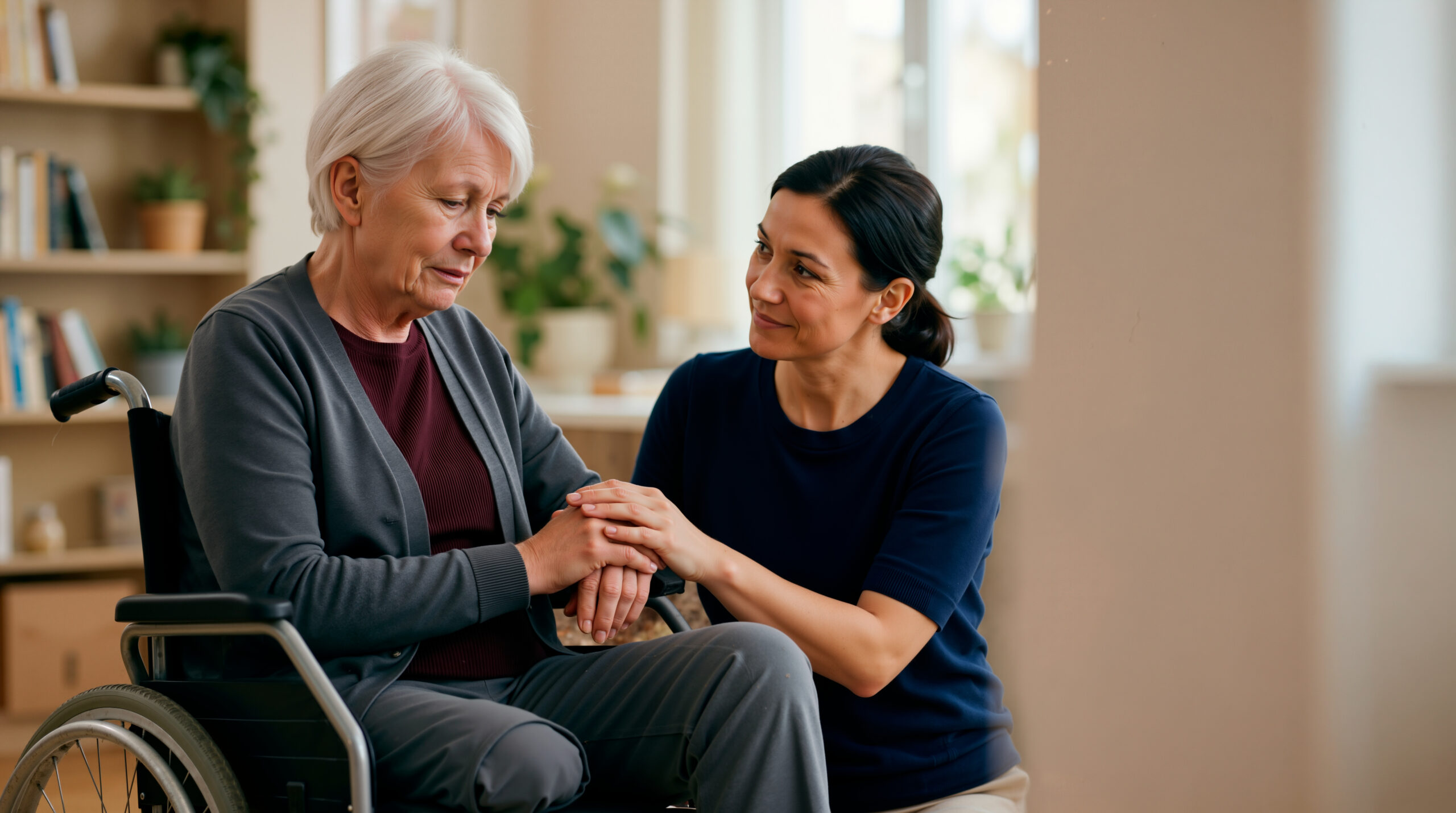
In-home care helps seniors recovering from strokes by providing daily living support, emotional companionship, and safe environments for rebuilding independence. Returning home after a neurological event can feel overwhelming, but having dedicated assistance ensures individuals can navigate their daily routines comfortably and confidently.
How Does In-Home Care Assist with Daily Activities?
In-home caregivers help stroke survivors manage the essential tasks of daily living that may have become difficult due to limited mobility or weakness. They provide hands-on assistance to ensure seniors maintain their personal hygiene and comfort. Common areas of daily support include:
- Bathing, grooming, and getting dressed
- Preparing nutritious meals and snacks
- Light housekeeping, such as laundry and washing dishes
- Running errands and grocery shopping
One of the most challenging tasks of helping an elderly relative age in place safely and comfortably is researching agencies that provide home care. Families can turn to Assisting Hands Home Care for reliable, high-quality home care Northern Kentucky for aging adults. We offer 24-hour care for seniors who require extensive assistance, and we also offer respite care for family caregivers who need a break from their caregiving duties. Our dedicated in-home caregivers can assist with meal prep, bathing and grooming, medication reminders, and many other important tasks.
What Role Do Stroke Caregivers Play in Emotional Support?
Caregivers provide vital companionship to combat the feelings of isolation, frustration, or sadness that often accompany stroke recovery. Because stroke survivors might experience changes in their communication abilities, having a patient, encouraging presence in the home makes a significant difference. Caregivers engage seniors in meaningful conversations, play games, read aloud, or simply offer a comforting presence to boost their overall mood.
How Can In-Home Care Increase Safety and Mobility?
In-home care drastically reduces the risk of falls and injuries by creating a secure living environment tailored to a stroke survivor’s physical limitations. Caregivers actively monitor the home for potential tripping hazards, such as loose rugs or cluttered walkways, and keep living areas organized. They also offer steadying hands or physical support when seniors transition from beds to chairs, use the restroom, or walk around the house.
A trained caregiver with experience in caring for seniors with mobility limitations can be a fantastic resource for family members, especially during the nighttime hours. At Assisting Hands Home Care, our overnight care services address a full range of needs, including personal care, mobility assistance, toileting, and repositioning. Caregivers also provide fall prevention monitoring, medical equipment support, and emotional reassurance for clients who experience nighttime anxiety or disorientation. Services are available on an occasional or ongoing basis and can be coordinated with flexible hourly daytime care for continuous around-the-clock support.
Why Is Nutritional Support Important during Stroke Recovery?
Eating a balanced diet is crucial for regaining strength and energy after a stroke, and caregivers ensure seniors have access to healthy, easy-to-eat meals. Stroke survivors sometimes have difficulty with grocery shopping, cooking, or even using utensils. A caregiver can plan menus, purchase fresh ingredients, and prepare meals that align with a senior’s specific dietary preferences or restrictions.
Recovering from a stroke, managing the symptoms of Alzheimer’s, and a variety of other health-related situations can make it difficult for a senior to continue living at home without someone there to help. 24-hour care professionals are trained to help seniors who need 24/7 assistance. With the help of an around-the-clock caregiver, your elderly loved one can maintain a higher quality of life while aging in place. To create a customized home care plan for your loved one, call Assisting Hands Home Care of Northern Kentucky today.
Frequently Asked Questions
How long does a senior need in-home care after a stroke?
+
The duration of care depends entirely on the individual’s pace of recovery and level of independence. Some seniors only need assistance for a few weeks, while others benefit from long-term ongoing support.
Can in-home caregivers help with transportation?
+
Yes, caregivers can drive seniors to appointments, social gatherings, or local parks. This helps stroke survivors stay connected to their communities without relying on public transit or family members.
Is in-home care only for seniors who live alone?
+
No, in-home care is also incredibly beneficial for seniors who live with family members. Caregivers provide much-needed respite for family members, allowing them to rest and recharge while knowing their loved ones are safe.
What should I look for in a post-stroke caregiver?
+
You should look for someone who is patient, observant, and experienced in assisting individuals with limited mobility. A good caregiver will also have excellent communication skills to help seniors who may be having speech difficulties.