Caring for an elderly loved one after a stroke can feel overwhelming at first. The recovery journey often includes physical changes, emotional shifts, and new daily routines that families aren’t always prepared for. Many caregivers find themselves balancing medical instructions with compassion, patience, and constant vigilance. Understanding what support looks like, day to day, can help families feel more confident and less alone as they adjust to this new phase of life.
Understanding Stroke Recovery in Older Adults
Stroke recovery in seniors is rarely a straight path. Progress can be slow, uneven, and deeply personal. In the early stages, families often turn to home care to help them manage daily needs while learning how a stroke affects mobility, speech, memory, and emotions. Older adults may experience weakness on one side of the body, difficulty swallowing, or changes in behavior. Recovery focuses on preventing complications, rebuilding strength, and restoring independence where possible. Clear routines, emotional reassurance, and consistent support play a critical role in helping seniors feel safe and motivated during recovery.
Supporting Daily Activities and Personal Care
After a stroke, even simple tasks like bathing, dressing, or eating may become challenging. Assistance with these activities must be respectful and encouraging to preserve dignity. Families using hourly care often find it helpful to schedule support during the most demanding parts of the day, such as mornings or evenings. Caregivers can assist with mobility, ensure safe transfers, and reduce fall risks while encouraging their loved one to participate as much as possible. This balance between help and independence supports both physical recovery and emotional wellbeing.
Creating a Safe and Supportive Home Environment
A stroke can significantly increase the risk of falls and injuries. Modifying the living environment is essential for safety and confidence. Seniors supported through live-in care often benefit from constant supervision and immediate assistance. Simple changes such as removing loose rugs, installing grab bars, improving lighting, and rearranging furniture can make daily movement safer. A calm, predictable environment also reduces confusion and anxiety, which are common after a stroke. Safety-focused adjustments allow seniors to move more freely without fear.
Common Home Safety Adjustments after a Stroke
| Area of Home | Recommended Adjustment | Purpose |
| Bathroom | Grab bars and nonslip mats | Prevent falls |
| Bedroom | Lower bed height | Easier transfers |
| Hallways | Clear pathways | Increase mobility |
| Lighting | Brighter, motion-sensor lights | Reduce disorientation |
Managing Physical Therapy and Mobility
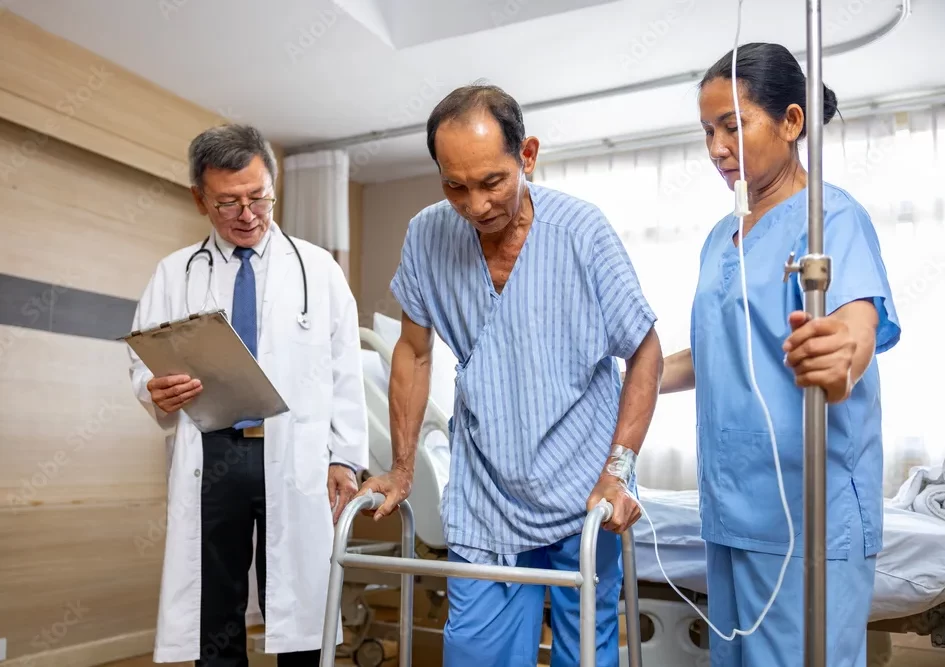
Physical therapy is a cornerstone of stroke recovery. Gentle, repetitive movements can rebuild strength, coordination, and balance. Seniors receiving 24-hour care can safely practice prescribed exercises throughout the day under supervision. Caregivers can ensure exercises are done correctly and without overexertion. Consistency matters more than intensity. Encouraging small wins, such as standing longer or walking a few extra steps, can greatly boost confidence and long-term outcomes.
- Encourage short, frequent movement sessions.
- Follow therapist-recommended exercises only.
- Use mobility aids correctly and consistently.
- Allow rest periods to prevent fatigue.
- Celebrate progress, even when it’s small.
Emotional and Cognitive Support After a Stroke
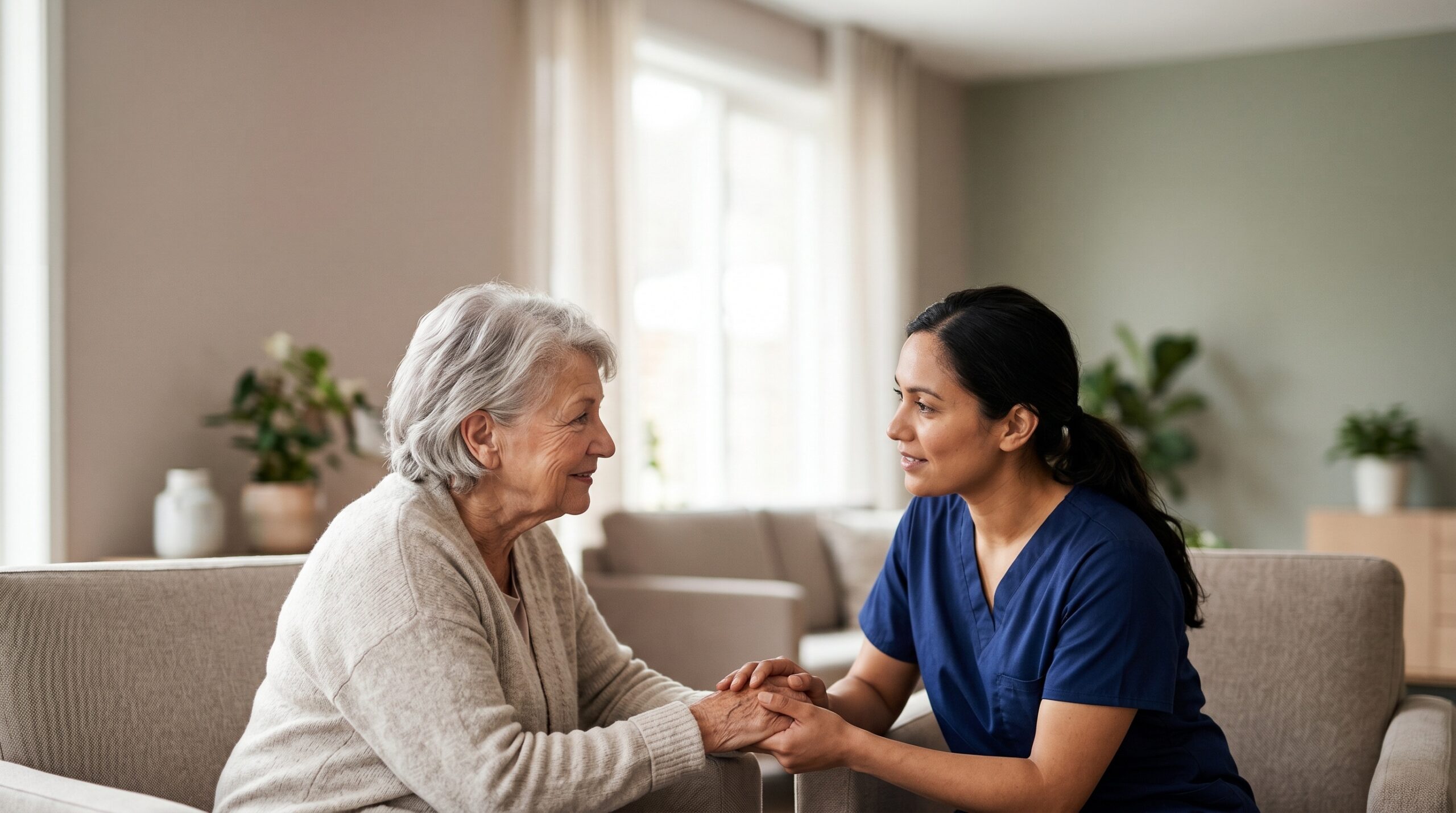
Stroke recovery isn’t only physical. Many seniors experience depression, anxiety, or frustration due to sudden loss of independence. Cognitive changes such as memory loss or difficulty concentrating are also common. Support involves active listening, reassurance, and patience. Structured routines, familiar objects, and gentle conversation help seniors feel grounded. Emotional encouragement from family and caregivers can reduce isolation and promote motivation, which is vital for overall recovery and quality of life.
Nutrition, Medication, and Health Monitoring
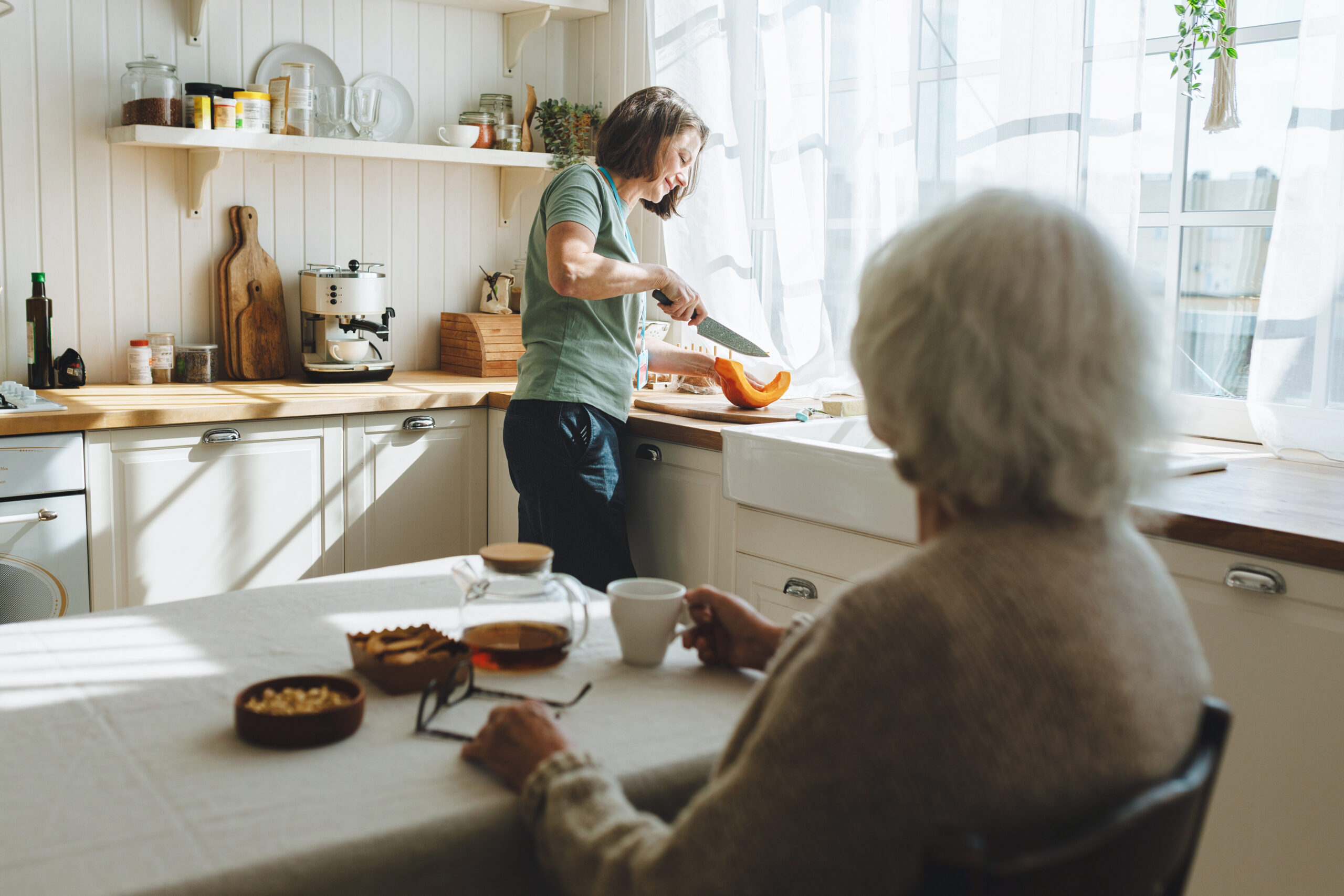
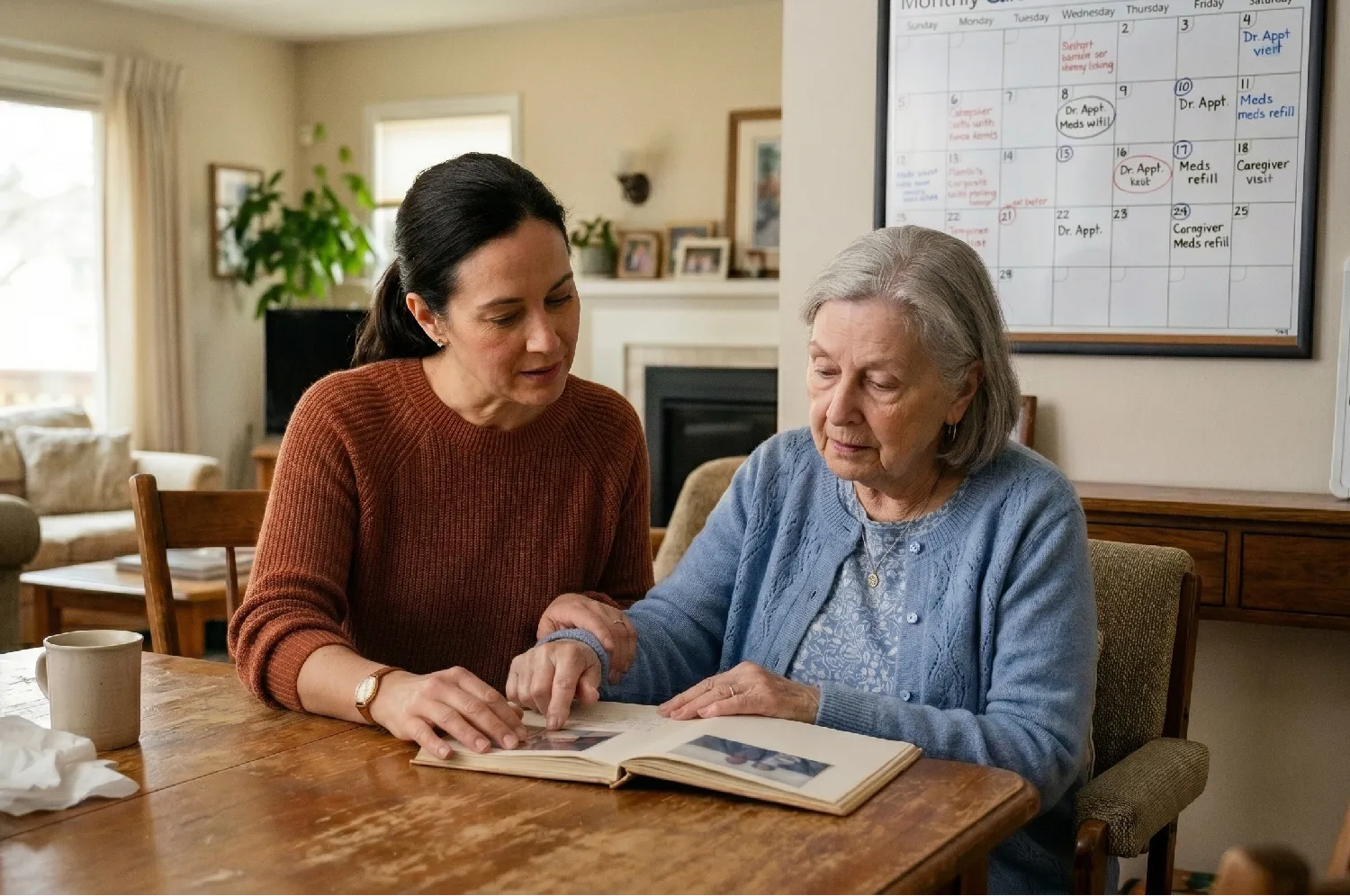
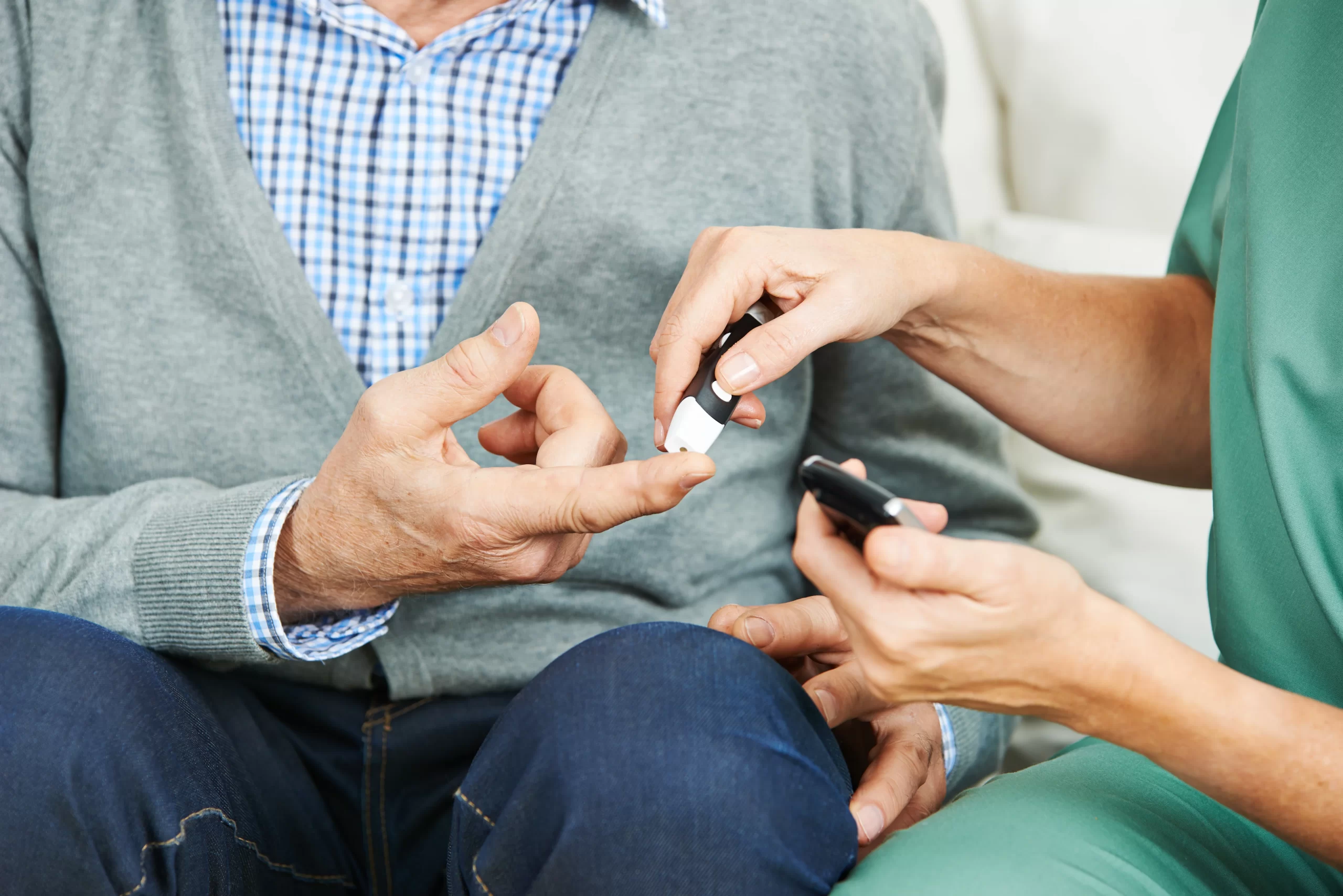
Proper nutrition and medication adherence are essential after a stroke. Seniors may need modified diets, assistance with feeding, or reminders to take medications on time. Monitoring blood pressure, hydration, and overall health can prevent secondary strokes. Organized schedules, labeled medications, and consistent meal timing reduce errors and stress. A proactive approach to health monitoring supports stability and allows families to address concerns before they escalate.
Frequently Asked Questions
How long does recovery take after a stroke in the elderly?
+
Recovery varies widely. Some seniors get better within months, while others need long-term support depending on stroke severity.
Can an elderly stroke survivor live at home?+
Yes, many seniors remain at home with proper safety measures, daily assistance, and medical guidance.
What are common complications after a stroke?+
Common issues include weakness, speech problems, swallowing difficulty, depression, and increased fall risk.
How can I prevent another stroke?+
Managing blood pressure, following medications, maintaining a healthy diet, and regular monitoring can reduce stroke recurrence risk.
What role does routine play in stroke recovery?+
Consistent routines increase safety, reduce confusion, and support physical and emotional healing.