Each year, more than 350,000 people are hospitalized for strokes, and seniors are especially vulnerable. Fortunately, there are many things aging adults and their caregivers can do to limit stroke risk.
1. Eat a Heart-Healthy Diet
A senior’s diet should be rich in heart-healthy fats and utterly devoid of the trans fats commonly found in processed and heavily refined foods. Eating two to three servings of fatty fish such as tuna, mackerel, or salmon per week is highly recommended. Olive oil, coconut oil, nuts, and seeds should also be present in the diet. These elevate good cholesterol, which in turn lowers blood pressure and moderates overall body weight.
If your loved one needs help maintaining healthy habits that promote overall health, consider hiring a professional caregiver. At-home care agencies can be a great boon to seniors. With the help of the caregivers at Assisting Hands Home Care, your aging loved one can lead a happier and healthier life. Our caregivers encourage seniors to eat nutritious foods, exercise and socialize regularly, and focus on other lifestyle factors that increase life expectancy.
2. Get Active
Seniors should make every effort to lead active lifestyles. This is great for maintaining mood, balance, flexibility, and mobility. It also regulates blood pressure, limits weight gain, and lessens stroke risk. Exercise should last twenty to thirty minutes and should be performed three to five times per week. Seniors can engage in low-impact exercises like swimming or cycling, or they can take long afternoon or evening walks.
Having a professional caregiver assist with daily tasks makes it easier to switch to a healthier lifestyle. If your aging loved one needs occasional help with bathing, grooming, cooking, or other basic household tasks, or if you need time to attend to important personal matters, reach out to Assisting Hands Home Care, a leading provider of in-home care. Northern Kentucky seniors can maintain their independence while living at home with the help of our reliable home caregivers.
3. Take Low-Dose Aspirin
When acceptable to do so, seniors can add low-dose aspirin (typically 81 mg) to their daily medication regimens. This change can lower stroke risk without any significant adverse effects. Seniors or their caregivers should discuss the use of low-dose aspirin with their physicians to verify there are no contraindications with any existing prescriptions.
4. Limit Alcohol Intake & Stop Smoking
Excess alcohol consumption and tobacco use significantly increase stroke risk. If your loved one currently smokes cigarettes, it’s never too late to quit. Successfully completing a smoking cessation program can cut stroke risk by more than half while producing widespread health benefits. Although a small glass of wine is acceptable from time to time, hard liquor and beer consumption should be minimized or stopped entirely.
5. Make Risk Factors a High Priority at Checkups
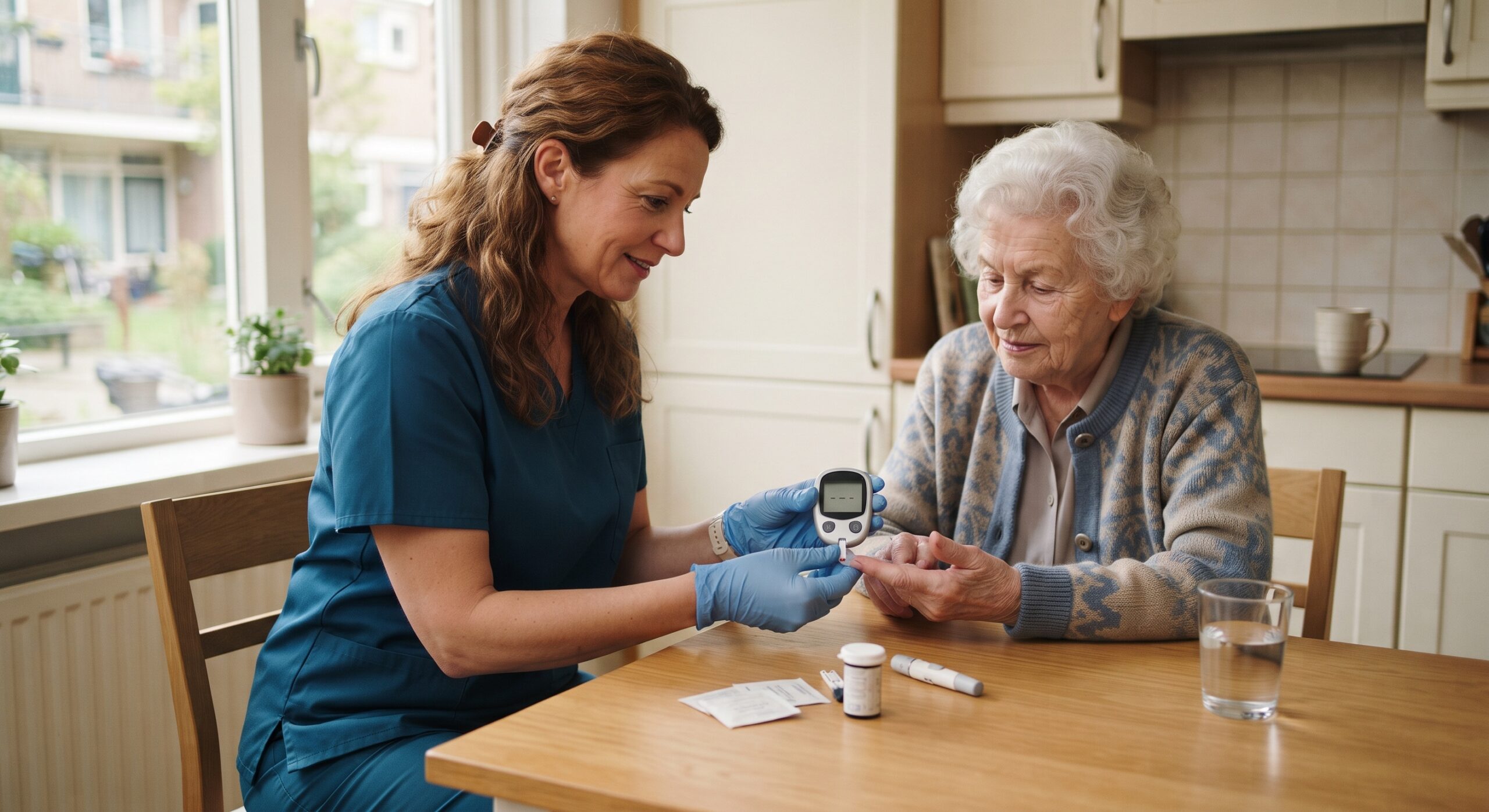
Risk factors for stroke include high blood pressure, diabetes, obesity, and elevated cholesterol. When these factors exist, they should be the top priorities at regular checkups. Seniors and in-home caregivers can work with doctors to establish long-term treatment or management plans for these issues so stroke risk is minimized.
Seniors can reduce their risk of strokes by making these important lifestyle changes. If you have a senior loved one who needs help maintaining a high quality of life while aging in place, reach out to Assisting Hands Home Care, a leading provider of home care Northern Kentucky families can trust. Our caregivers help seniors focus on healthy lifestyle habits such as eating nutritious foods, exercising regularly, and maintaining strong social ties, and we offer mentally stimulating activities that can boost cognitive health and delay the onset of dementia. Trust your loved one’s care to the professionals at Assisting Hands Home Care of Northern Kentucky. Reach out to one of our compassionate Care Managers today.