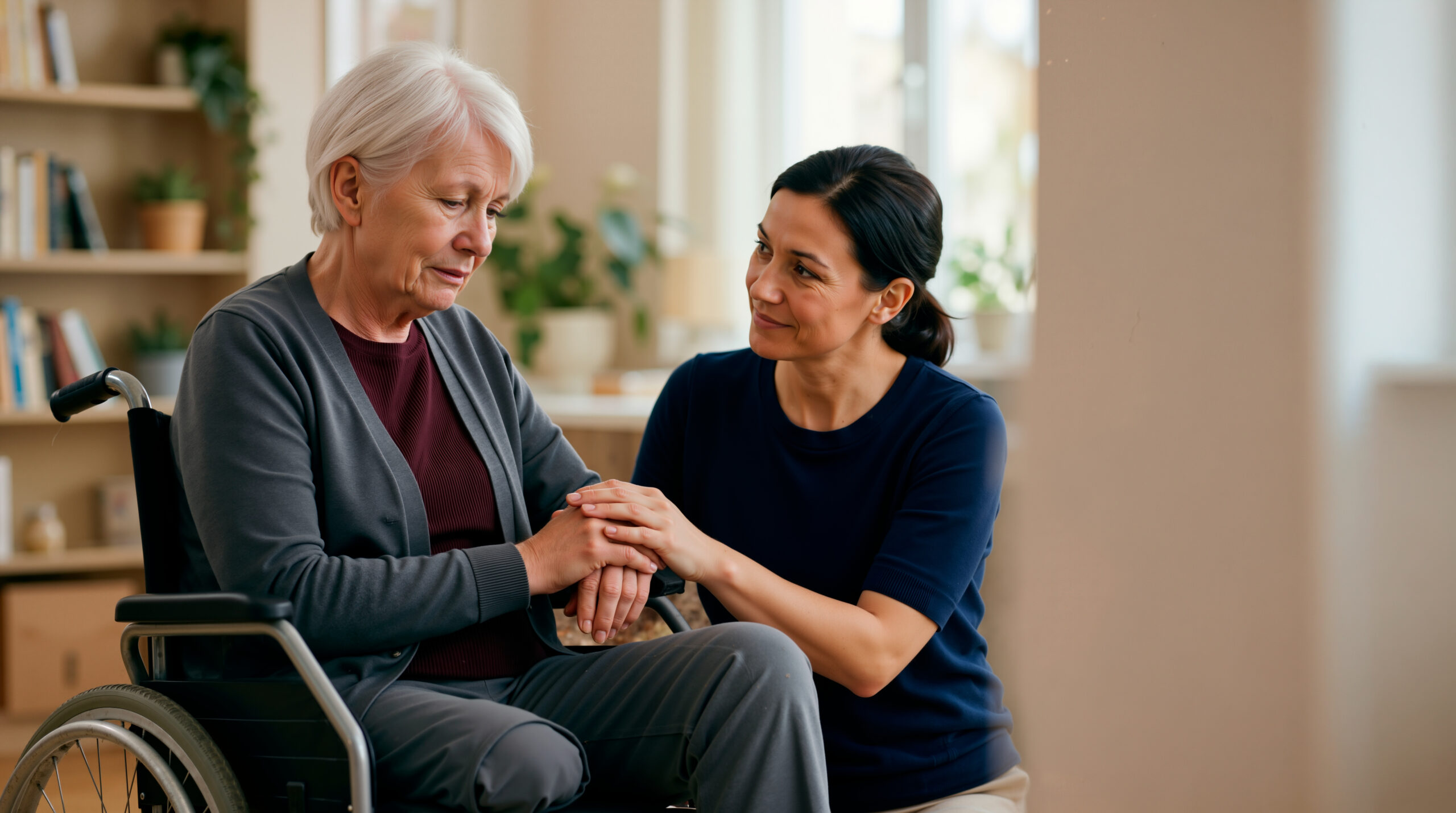
Like any part of the body, the brain changes over time. Seniors can protect their brain health both physically and mentally. Since the brain wears with age, it’s normal for seniors to have small memory lapses. However, more significant brain issues can also develop – read more about the 10 warning signs of dementia. That’s why it is important for seniors to protect their brain health physically—and by staying sharp mentally.
Protecting brain health is about more than memory—seniors are at a greater risk for depression. Staying sharp can add purposefulness to senior’s lives, decreasing the chance of depression. However, it is also important for seniors to mentally relax and de-stress. Encourage seniors to meditate, reflect on positive memories, and deal with emotions like sadness or loneliness
Protect the Brain Using Physical Strategies
The brain is an organ. Just like other organs, it’s affected by things like your blood pressure and what you eat. Seniors can decrease their risk of brain-related diseases like dementia by taking care of their brains physically. Important parts of physically protecting brain health include:
- Not smoking or drinking excessively
- Managing blood pressure problems and stress
- Stimulating the brain’s functions
- Sleeping normal hours and durations
- Exercising regularly
- Eating a healthy diet with omega-3 fatty acids
- Maintaining a healthy cholesterol and weight
Tips for Stimulating the Brain to Stay Sharp
Brains need to stay active to remain healthy. Stimulation is essential for the physical brain health of seniors. It also improves mental wellness, decreasing the risk of depression. Use these tips to stay sharp:
- Complete puzzles and mentally-challenging games
- Stay engaged socially
- Learn new things independently or through classes
- Add variety to routines
- Use all 5 senses regularly
- Switch hands for basic tasks
- Have fun while exercising the brain
Sometimes activating the brain feels challenging. But, most of the time, it’s just part of having fun and challenging yourself to stay creative and try new things. Brain stimulation is most effective if it’s interesting to seniors, and there are plenty of opportunities available.
- Visit your local museums – if you find a favorite, think about becoming a docent.
- Attend concerts or theater performances – this doesn’t have to be expensive, high schools and local colleges offer low-cost concerts to the public.
- Take a walk in the park.
- Cook new recipes.
- Learn a new game, either online or in person.
- Write your memoir for your children and grandchildren.
- Organize photographs, clippings, and other interesting items.
Having a healthy brain has its benefits, especially for seniors. Staying engaged socially, helping family and friends, or volunteering can give seniors a sense of purpose. Keeping the brain sharp allows more independence for a longer period of time. A healthy brain reduces the risk of depression and gives a more positive mood.
Boredom from lack of mental stimulation can cause surprising symptoms. Instead of recognizing their boredom, many seniors just feel grumpy, lonely, or purposeless. This can lead to appetite, sleep, and mood problems. If you notice these symptoms, try more mentally-engaging activities.
The caregivers at Assisting Hands Home Care serving Northern Kentucky are trained to work with their clients to keep them engaged. For example, they don’t just cook for clients, they cook with them, so they can assist as much as possible and feel they have a purpose rather than just having someone take care of them. If you or a senior loved one needs companionship, social engagement, and a more engaging lifestyle, Assisting Hands serving Northern Kentucky can help – get in touch today.
Sources: ClearCare, Everyday Health, Alert 1, Positive Life Decisions