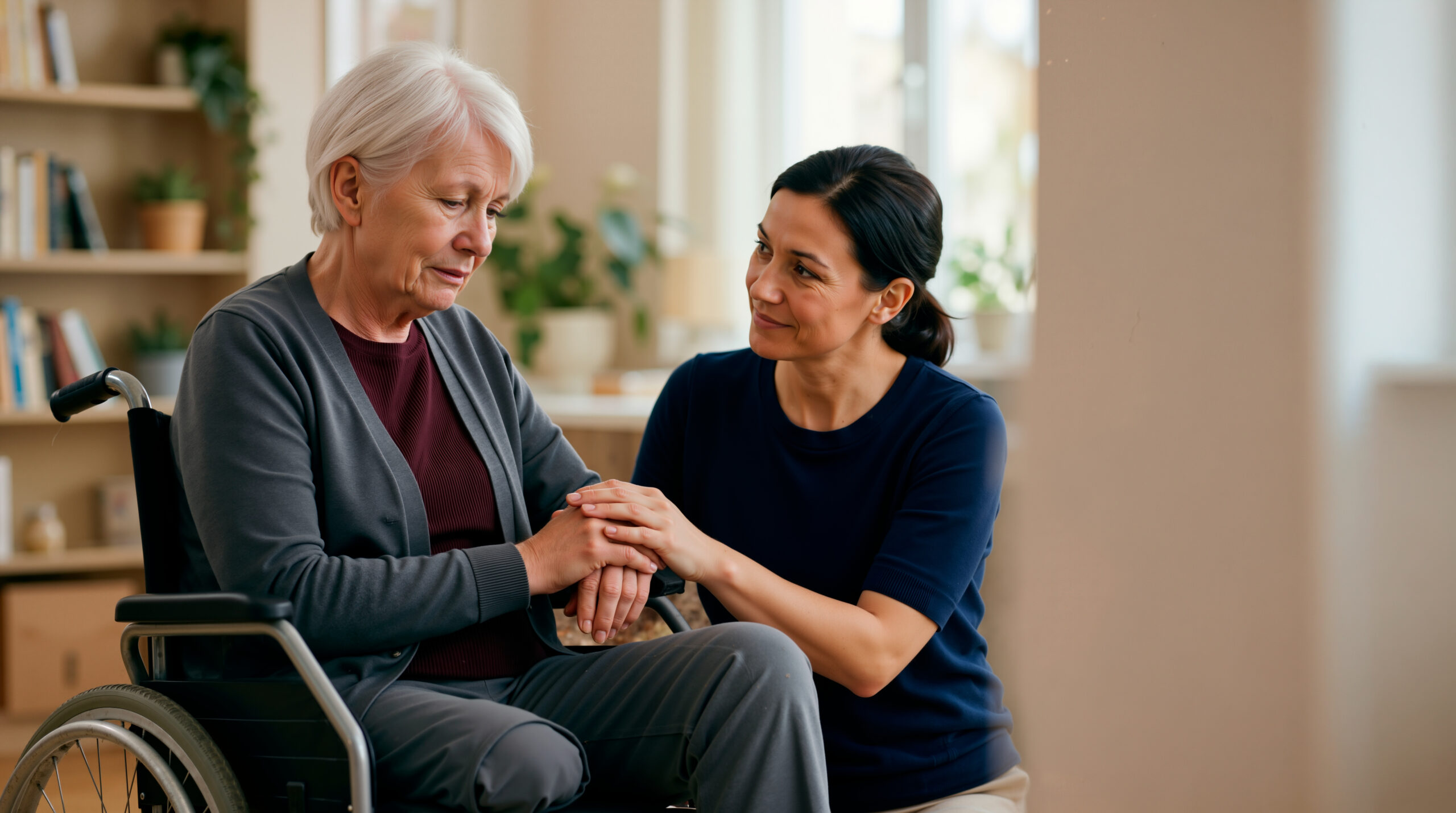
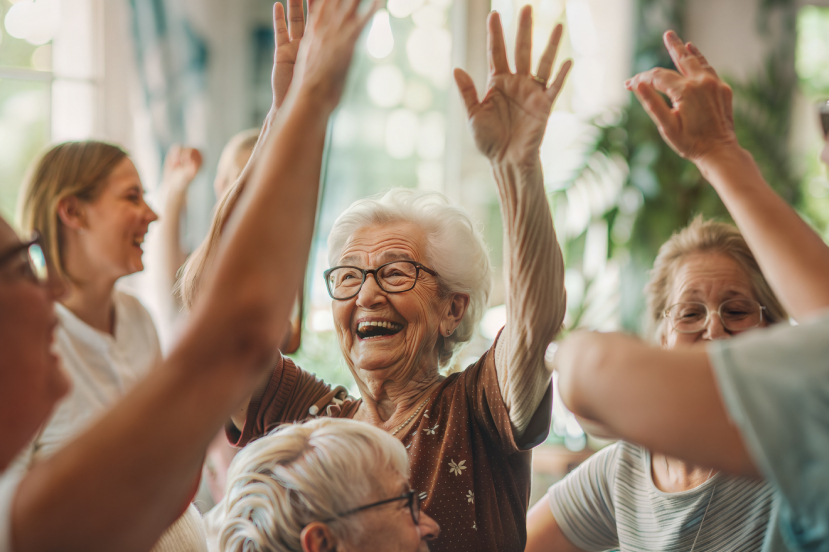
Gratitude is a thankful appreciation for what an individual receives, whether tangible or intangible. In the process, people usually recognize that the source of that goodness lies at least partially outside themselves. As a result, gratitude also helps people connect to something larger than themselves as individuals – whether other people, nature, or a higher power.
Gratitude has the power to heal and to improve physical health. It can make people happier, improve relationships, lessen depression, and even decrease pain. In several recent studies, organizations have proven a link between health and a gratitude practice, especially in older adults. People of all ages and nationalities who practice gratitude report fewer health complaints (including headaches, gastrointestinal issues, blood pressure, respiratory infections, sleep disturbances, and colds) than their less grateful counterparts.
One study found that a regular gratitude practice decreased the production of cortisol, which in turn lowered blood pressure. The participants had an average heart rate significantly lower than the group that didn’t practice gratitude. Helping seniors establish regular gratitude patterns might diminish feelings of stress about aging and replace them with a more relaxed and content demeanor.
Here are some easy ways you can incorporate more gratitude into your daily life:
Keep a Gratitude Journal Write down 3–5 things each day that are blessings to you. By keeping a journal, you can easily see the positives in your days and ensure those good things continue to happen. If you’re helping a parent or loved one who finds writing difficult, consider encouraging them to record a short video each day about what they are grateful for. You can watch them together, which will remind them of their positives, as well as spark conversation.
Write a Thank You Note This practice helps both the giver and the receiver. Occasionally write one to yourself. If you are a family caregiver, you deserve gratitude. Perhaps your loved one is not able to thank you themselves, but that does not mean the intention isn’t there and that you can’t thank yourself on their behalf.
Thank Someone Mentally Often just thinking in a grateful way about someone can soften a relationship and bring healing to your own thoughts.
Pray While prayer may not be for everyone, it is a specific way for believers to express their gratitude to a higher power. Praying with your loved one can be a profound connection.
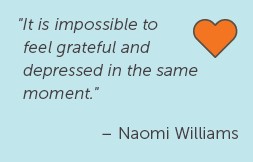
Use Gratitude Cues Keep photos out that remind you and your loved one of things that make them happy. Gratitude quotes are also good for reminding everyone to stay positive.
Make a Gratitude Jar As people come up with something to feel grateful for, they write it down and put the paper in the jar (with or without their name). During family meals or together time, pull notes from the jar to read aloud. This is a beneficial activity if your older family members suffer from dementia as they might not be able to participate in writing the grateful notes, but can benefit from hearing them read aloud.
In these ideas for expressing gratitude, the goal is to make it a regular part of everyday life – something that comes naturally, even when times are hard. It’s a habit that can switch the brain from saying “everything is horrible” to “I’m grateful for this specific thing in my life when other things are going wrong.”
Give yourself more time to enjoy the little things with your loved ones – if family caregiving is getting more difficult and stressful, give Assisting Hands Home Care Northern Kentucky a call. We can assess your situation and offer a solution to meet your non-medical home care needs.
Source: ClearCare, Harvard Medical School, Mayo Clinic, UC Berkeley, Greater Good Science Center